
A clogged sewer line is one of the most disruptive plumbing problems a homeowner can face. Unlike a single clogged drain that’s a minor inconvenience, a main sewer line blockage affects every drain in your home simultaneously and can quickly escalate from a nuisance to a sewage backup in your bathroom, kitchen, or basement.
Homeowners in Ukiah and throughout Mendocino County deal with sewer line issues more often than many realize, particularly in older neighborhoods where the sewer laterals are made of aging clay or cast iron. Northern California’s seasonal rainfall, tree-lined streets, and clay-heavy soil create conditions that accelerate root intrusion and pipe deterioration.
The good news is that a main sewer line clog almost always gives warning signs before it becomes a full emergency. Knowing what to look for can help you act early, saving significant time and money on repairs. At AAA Organized Plumbing, we’ve seen how catching these warning signs early makes a real difference for Ukiah homeowners.
The single most telling sign of a main sewer line clog is when multiple fixtures in your home are slow or backing up at the same time. If just one drain is slow, the clog is likely isolated to that specific fixture or branch line. But when your kitchen sink, bathroom sink, and bathtub all drain slowly at the same time, the problem is almost certainly further down in the main sewer line where all those branches converge.
Pay particular attention to your lowest fixtures. Ground-floor toilets, floor drains, and basement sinks are the first places that show signs of a main line backup because they’re closest to the main line and have the least elevation to buffer against rising wastewater.
A toilet that gurgles when you flush, or that produces air bubbles when water is draining elsewhere in the house, is a classic indicator of a main sewer line problem. The gurgling sound is caused by air trapped in the line that can’t escape properly through the vent stack, which typically means there’s a blockage downstream.
You might also notice your toilet gurgling when you run the washing machine, or seeing water rise and bubble in the toilet bowl when you run the bathroom sink. These cross-fixture reactions are a strong signal that the main line is the issue, not individual drains.
When a main sewer line is severely blocked, wastewater has nowhere to go but backward. It will take the path of least resistance, which is usually the lowest drain in the house. This could be a floor drain in the garage or laundry room, a bathtub on the ground floor, or a basement toilet.
A sewage backup is a clear emergency. If raw sewage is appearing in any fixture, stop using all water in the home immediately and call a plumber right away. Our emergency plumbing team serves Ukiah and Mendocino County homeowners when fast response matters most.
Persistent sewage odors coming up through your drains, particularly from multiple fixtures, indicate that sewer gas is migrating backward through the system. Under normal conditions, water in P-traps blocks sewer gas from entering the home. But when a main line is clogged and pressure builds up, gas can push past these traps and fill your home with an unpleasant sulfuric or septic smell.
If the odor appears suddenly across multiple rooms or seems to worsen after heavy water use like laundry or showering, a main line blockage is a likely culprit.
Have you ever run the washing machine and noticed water coming up in a nearby floor drain? Or flushed a toilet and seen water bubbling up in the bathtub? These strange cross-connections are a hallmark of a main sewer line that’s struggling to handle normal flow.
When water can’t travel downstream due to a blockage, it seeks any available exit point. The more unexpected or unusual the location of the water backup, the more likely you’re dealing with a main line issue rather than a simple individual drain clog.
The sewer cleanout is the access cap on your main sewer lateral, usually located in the yard near the foundation of your home. If you notice wet soil, pooling water, or sewage seeping from around the cleanout cap, the main line is likely blocked and backing up with nowhere to go.
Check your cleanout periodically, especially during rainy season in Northern California when groundwater and root growth can put extra stress on sewer lines. A backed-up cleanout is a serious sign that needs professional attention.
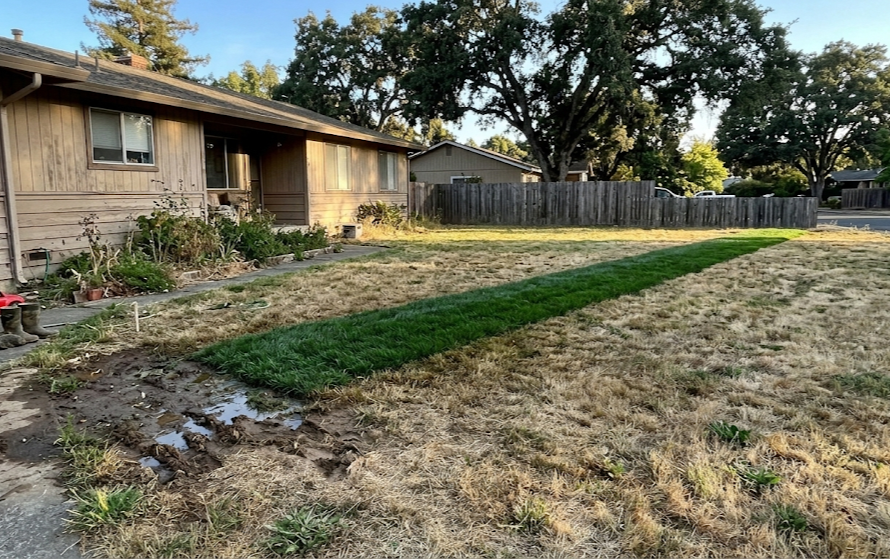
If you notice an unusually green, lush strip of grass running across your yard, or an area of perpetually soggy ground that doesn’t dry out, your sewer lateral may be leaking. A slow sewer leak or a partial blockage that’s causing water to saturate the surrounding soil can act as a fertilizer for the grass above it, creating a noticeably greener patch.
This symptom is subtle and often overlooked, but in Ukiah and Mendocino County homes with clay soil, a saturated area that doesn’t drain properly can be a sign of a serious sewer line issue beneath the surface.
Understanding what causes these blockages helps you prevent them. The most common causes we see in the Ukiah area include:
Tree roots are the leading cause of sewer line damage in older Ukiah neighborhoods. Roots naturally seek moisture, and the tiny cracks and joints in aging clay or cast iron sewer pipes make perfect entry points. Once inside, roots expand and create blockages that grow worse over time. Oak trees, which are common throughout Mendocino County, have particularly aggressive root systems.
Grease poured down kitchen drains solidifies inside the pipe and accumulates over time. Combined with food debris, it can create a serious buildup that progressively narrows the pipe until a full blockage occurs.
In Ukiah’s older housing stock, sewer laterals made of clay or cast iron are at the end of their service life. Clay pipes crack and collapse. Cast iron corrodes and develops rough interior surfaces that catch debris. Both materials are susceptible to root intrusion. If your home was built before 1970 and the lateral has never been inspected or replaced, it may be overdue.
Wipes marketed as “flushable” are a major source of sewer line clogs. These materials don’t break down in water the way toilet paper does, and they catch on roots and pipe joints to form significant blockages. Feminine hygiene products, cotton balls, and paper towels cause similar problems.
If you’re seeing one or more of the warning signs above, here’s how to respond:
Stop using water in the home if backups are occurring. This prevents more wastewater from worsening an existing backup.
Avoid using chemical drain cleaners for a suspected main line clog. These products aren’t effective on main line blockages and can damage older pipes.
Call a professional plumber for a sewer line inspection. Our sewer line services team uses camera inspection to diagnose exactly what’s causing the blockage and where it’s located.
For active backups or sewage in the home, contact our emergency team immediately.
Once the blockage is identified, the appropriate solution might be a standard drain cleaning with a mechanical auger or hydro-jetter, root cutting, or if the pipe is structurally compromised, repair or replacement.
The key indicator is whether multiple fixtures are affected. If just one sink or toilet is slow, it’s likely an isolated blockage in that branch line. When multiple fixtures throughout the house are slow, backing up, or gurgling at the same time, the main sewer line is almost certainly involved.
Standard drain cleaning products won’t reach a main line clog. A rented drain snake (auger) can sometimes clear a soft blockage, but if the clog is caused by roots, collapsed pipe, or heavy grease buildup, professional equipment is required. Attempting to clear a serious blockage without the right tools can make the situation worse.
The cost depends on the cause and severity of the blockage. A simple hydro-jetting or mechanical clearing is typically much less expensive than a repair or replacement. Call us at (707) 200-3159 for a current estimate specific to your situation.
For most Ukiah homes, professional sewer cleaning every 2 to 3 years is a good preventive measure. Homes with mature trees near the sewer lateral, older clay pipes, or a history of recurring blockages benefit from annual cleaning.
A sewer line cleaning uses mechanical or hydro-jet equipment to remove blockages and buildup from the pipe. An inspection uses a camera to visually assess the interior condition of the pipe. Many homeowners combine both services: the line is cleaned, and then a camera inspection confirms that it’s clear and checks for structural issues that might require future attention.
Not at all. Many sewer line blockages can be cleared without any structural repair. Only when the pipe itself is cracked, collapsed, offset, or severely corroded does replacement become necessary. A camera inspection is the only reliable way to determine whether your pipe needs repair or replacement, or whether a simple cleaning will solve the problem.
If you’ve noticed any of the warning signs described in this guide, don’t wait for the situation to become a full sewage backup. The team at AAA Organized Plumbing is available to inspect and clear sewer lines for homeowners throughout Ukiah and Mendocino County. Call us at (707) 200-3159 or contact our team to schedule service today.
AAA Organized Plumbing is a trusted plumbing contractor serving Ukiah, Mendocino County, and surrounding Northern California communities. Our team specializes in sewer line inspection, cleaning, repair, and replacement, along with a full range of residential plumbing services.
We’re known for responding quickly, diagnosing accurately, and getting the job done right. Call us at (707) 200-3159 or visit 1252 Airport Park Blvd STE A4, Ukiah, CA 95482.
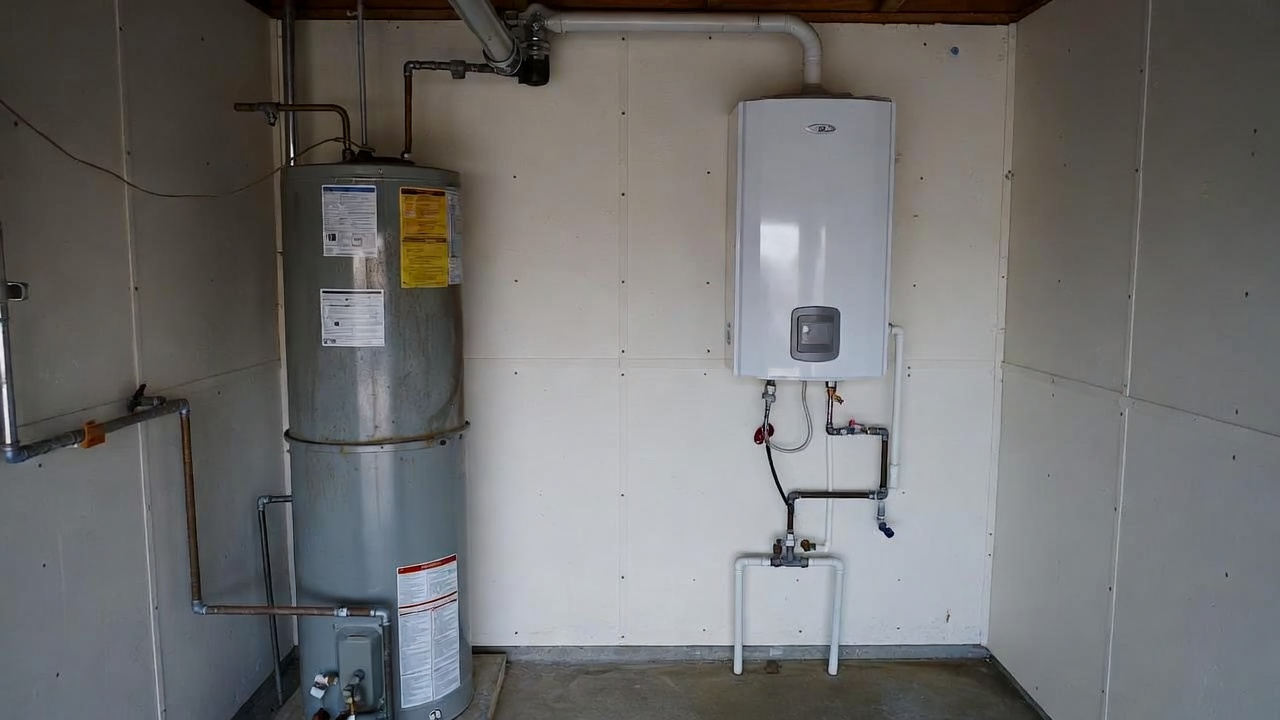
If your water heater is reaching the end of its life or you’re planning a home renovation, the question of tankless vs. tank water heater is one you’ll need to answer. Both types have real advantages, and the right choice depends on your household size, usage patterns, home setup, and budget. In Northern California, homeowners…
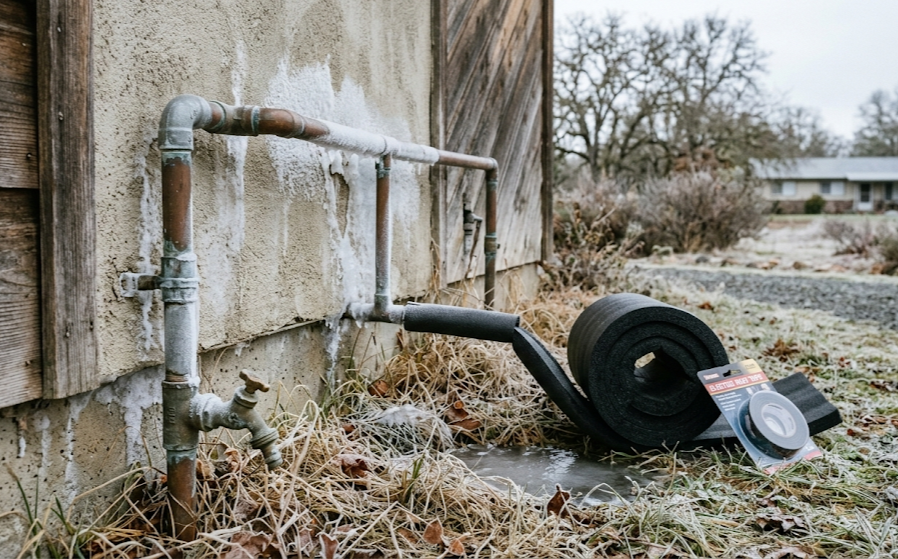
Northern California’s climate is generally mild compared to colder regions of the country, but Mendocino County winters can bring freezing temperatures, particularly in inland communities like Ukiah and Willits. When temperatures drop below 32 degrees Fahrenheit, water pipes in unprotected areas of your home, including crawl spaces, attics, garages, and exterior walls, are at genuine…
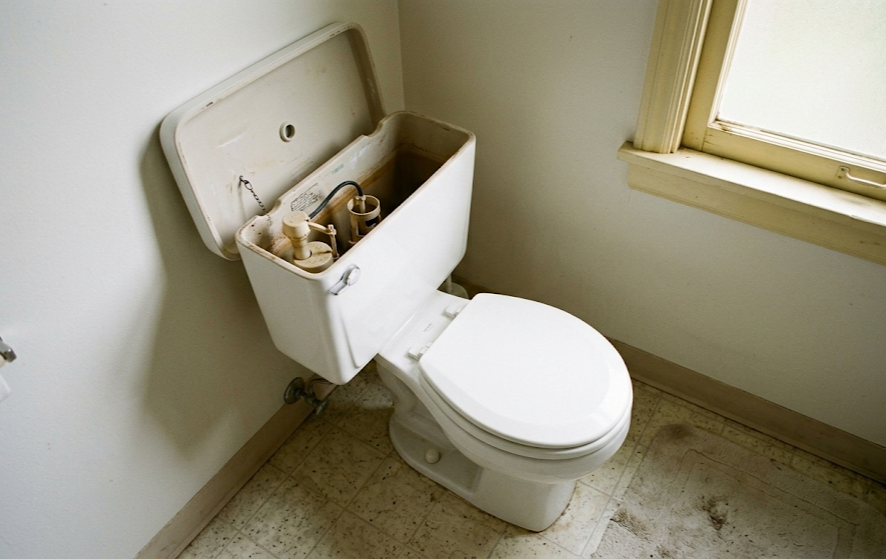
Opening the lid of your toilet tank to find it empty is one of those moments that stops you in your tracks. Whether you lifted the lid to troubleshoot a weak flush or you simply noticed the toilet isn’t refilling after use, a tank with no water is a problem that needs attention. For homeowners…
