
Opening the lid of your toilet tank to find it empty is one of those moments that stops you in your tracks. Whether you lifted the lid to troubleshoot a weak flush or you simply noticed the toilet isn’t refilling after use, a tank with no water is a problem that needs attention.
For homeowners in Ukiah and throughout Mendocino County, toilet tank problems often stem from aging toilet hardware, mineral buildup from hard or well water, or less commonly, a water supply issue affecting the home. The good news is that many causes of an empty toilet tank are surprisingly straightforward to diagnose, and some can be fixed without a professional.
At AAA Organized Plumbing, we handle toilet repairs regularly throughout the Ukiah area, and we want to walk you through the most common reasons your tank may not be filling. By the end, you’ll know whether this is a DIY fix or a job for a licensed plumber.
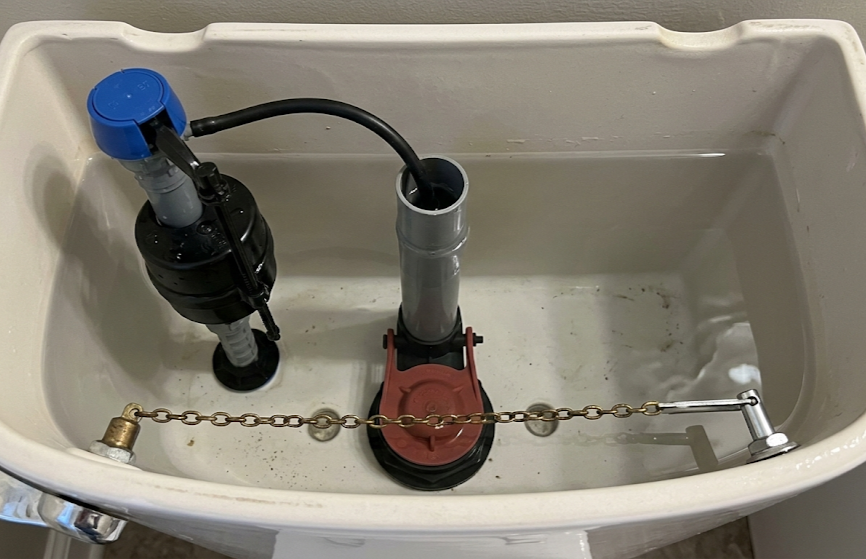
Understanding the normal fill cycle helps you identify where the process is breaking down. When you flush a toilet, the flapper valve at the bottom of the tank opens and allows water to rush into the bowl. As the tank empties, the float (either a ball float or a cup float) drops, which opens the fill valve and allows fresh water to enter the tank through the supply line. As the water level rises, the float rises with it, eventually triggering the fill valve to shut off when the water reaches the correct level.
If the tank has no water, something is interrupting this process at one of these steps.
The most common and simplest cause of an empty toilet tank is a shutoff valve that isn’t fully open. The supply valve is typically located on the wall or floor behind and below the toilet. It’s a small valve with either a round handle (gate valve) or a lever handle (ball valve).
Check that the valve is fully open. A gate valve is open when the handle is turned counterclockwise as far as it will go. A lever valve is open when the handle is parallel to the pipe.
If the valve was accidentally bumped closed, opening it fully should resolve the problem immediately. You may hear water rushing into the tank as soon as the valve opens.
The fill valve controls the flow of water into the tank. If it’s faulty, stuck in the closed position, or clogged with mineral deposits, it can prevent water from entering the tank even when the supply valve is fully open.
To test this, remove the toilet tank lid and observe the fill valve after flushing. The valve is typically located on the left side of the tank. You should see a stream of water entering the tank through the fill tube. If water isn’t flowing despite the supply valve being open, the fill valve is likely the problem.
Mineral buildup from hard water is a common cause of fill valve issues in Ukiah homes, particularly on properties served by well water. Over time, calcium and magnesium deposits can clog the valve seat or seize the moving parts.
Fill valve replacement is a repair most DIY-inclined homeowners can handle with basic tools and a replacement valve from a hardware store. The process involves shutting off the supply valve, flushing to empty the tank, removing the old fill valve, and installing the new one.
The float is the mechanism that tells the fill valve when to stop adding water. If the float is set too low or is waterlogged (in older ball-float designs), the fill valve may shut off before the tank has any meaningful water level, or it may shut off immediately after beginning to fill.
Look at the float position. In an empty tank, the float should be at or near the bottom. As water rises, the float should rise with it and eventually shut off the water when the tank is full (typically about an inch below the overflow tube).
If you have an older-style ball float and it feels heavy or appears waterlogged, it may need replacement. Modern cup floats (the cylindrical design) are adjustable and can be raised or lowered to control the fill level. A float set too low will result in a tank that appears partially or nearly empty after filling.
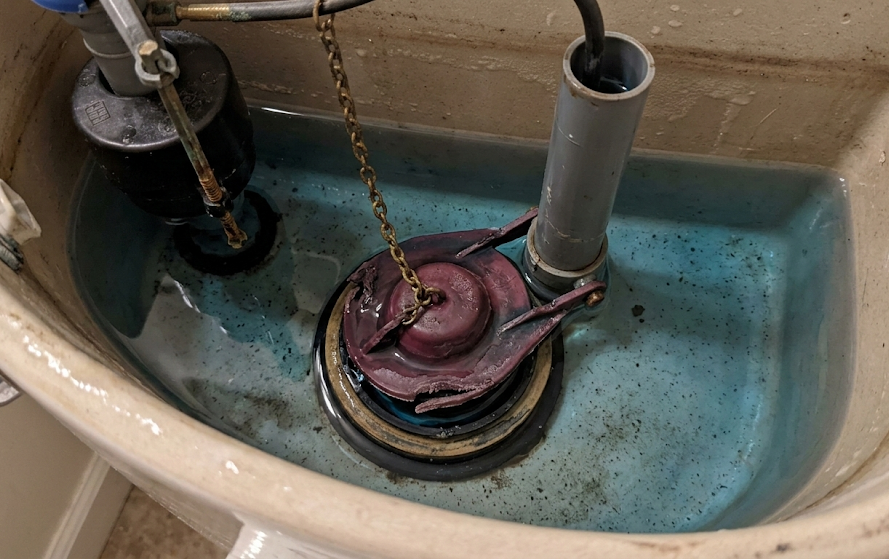
If the flapper at the base of the tank doesn’t seal properly after a flush, water continuously drains from the tank into the bowl. This can result in a tank that appears empty or very low because it’s leaking out as fast as it fills in.
A tell-tale sign of a flapper leak is the sound of running water in the toilet even when no one has flushed. You might also notice the toilet occasionally self-flushing, known as “phantom flushing,” or a thin trickle of water visible running down the back of the bowl.
You can confirm this by adding a few drops of food coloring to the tank. Wait 10 to 15 minutes without flushing. If color appears in the bowl, the flapper is leaking.
Flapper replacement is one of the simplest toilet repairs. Flappers are inexpensive and widely available, and most can be replaced by hand without tools.
In rare cases, the tank itself may be cracked, causing water to escape before the tank can fill. Check the exterior of the tank for moisture, water stains, or visible cracks. Also check underneath the tank and on the floor around the base of the toilet for pooling water.
A cracked toilet tank typically requires replacing the tank or the entire toilet. Contact a plumber if you find evidence of a structural crack.
If your home’s water pressure is very low, the toilet may fill extremely slowly or may not fill at all in severe cases. This is relatively uncommon as an isolated cause but can be a factor if you’re also experiencing low pressure at other fixtures throughout the home.
Check your water pressure at a nearby sink. If pressure is low throughout the home, the issue is with your main water supply rather than the toilet itself. This could indicate a pressure regulator problem, a partially closed main shutoff valve, or in some cases, a leak repair situation elsewhere in the supply system.
Inside the tank, a small flexible fill tube connects the fill valve to the overflow tube and ensures the bowl refills after flushing. If this tube becomes disconnected, kinked, or broken, the bowl won’t fill properly, which can sometimes be confused with a tank problem.
Look inside the tank with the lid off and confirm that the small tube is attached and directing water into the overflow tube after a flush.
Most of the issues above can be addressed with DIY repairs and inexpensive parts. However, you should contact a professional plumber when:
For urgent situations like a toilet that’s completely non-functional or water damage from a cracked tank, our emergency plumbing team serves Ukiah and Mendocino County homeowners with fast response.
Sudden fill failures are usually caused by a failed fill valve, a supply valve that was accidentally closed, or in rare cases, a loss of water pressure to the home. In older Ukiah homes with aging toilet hardware, fill valve failure can occur without much prior warning, especially if mineral deposits have been building up over time.
Without water in the tank, the toilet can’t flush. You can technically use the toilet and manually pour water into the tank or bowl to flush, but this isn’t a long-term solution. Address the underlying problem promptly, as a non-functional toilet is an inconvenience that can become unsanitary.
Fill valve replacement parts are typically inexpensive at most hardware stores. If you’re comfortable doing the repair yourself, costs are minimal. For professional replacement, labor and parts combined are generally a straightforward, affordable repair. Call us at (707) 621-8282 for current service pricing in Ukiah.
In most parts of Ukiah and Mendocino County, temperatures rarely drop low enough to freeze water supply pipes inside the home. However, pipes in uninsulated crawl spaces or garages can occasionally freeze during unusually cold NorCal winters. For homes with plumbing running through a crawl space, keeping a functional sump pump in place helps manage any water that accumulates if a supply line does freeze and burst. If the toilet stops filling during a cold snap and other fixtures are also affected, frozen pipes could be the cause.
Most toilet tanks refill within 1 to 3 minutes after flushing. If yours is taking significantly longer, a partially closed supply valve, a clogged fill valve, or low water pressure may be slowing the fill rate, even if the tank does eventually fill.
If your toilet is 20 or more years old and requires multiple repairs in a short period, replacement may be more cost-effective than continuing to repair aging components. Newer toilets are also significantly more water-efficient, which translates to lower water bills over time.
If your toilet tank isn’t filling and you need professional help, the team at AAA Organized Plumbing is ready to diagnose and fix the problem. We serve homeowners throughout Ukiah and Mendocino County with reliable toilet repair and plumbing services. Call us at (707) 621-8282 or contact our team to schedule a service visit.
AAA Organized Plumbing is a full-service plumbing company serving Ukiah, Mendocino County, and the surrounding Northern California region. We handle everything from toilet repairs and drain cleaning to emergency plumbing and water heater service.
Our team is committed to honest, quality work at fair prices. Call us at (707) 621-8282 or stop by at 1252 Airport Park Blvd STE A4, Ukiah, CA 95482.
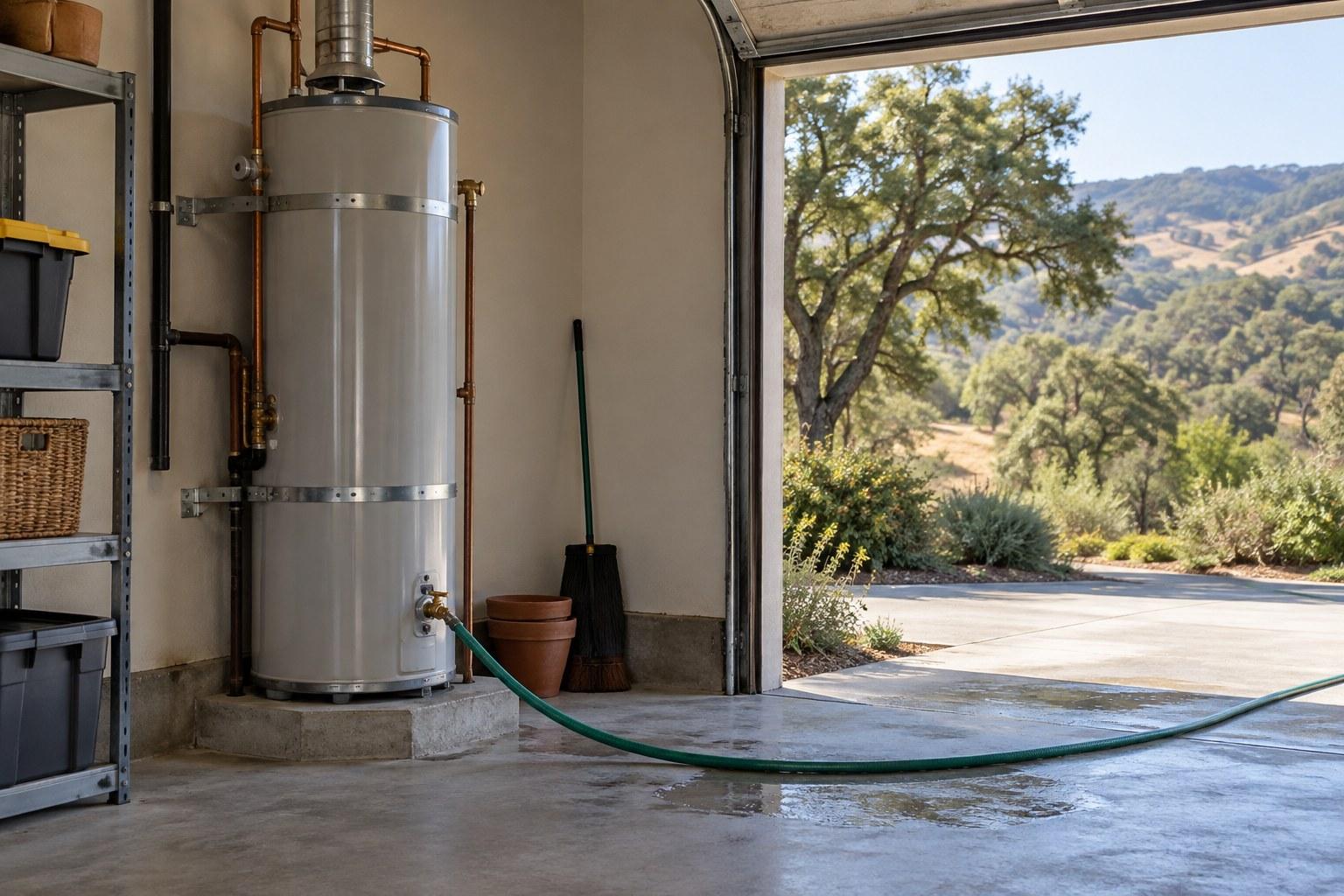
If your tank has started popping, rumbling, or running out of hot water sooner than it used to, learning how to flush a water heater is one of the most useful maintenance skills you can pick up. Minerals in the water settle at the bottom of the tank over time, and that layer of sediment…
Low water pressure in house plumbing turns simple chores into slow, frustrating tasks. The shower dribbles, the washing machine takes forever to fill, and rinsing dishes feels like a test of patience. The good news is that weak pressure almost always has a findable cause. A clogged aerator may only need cleaning. Others point to…
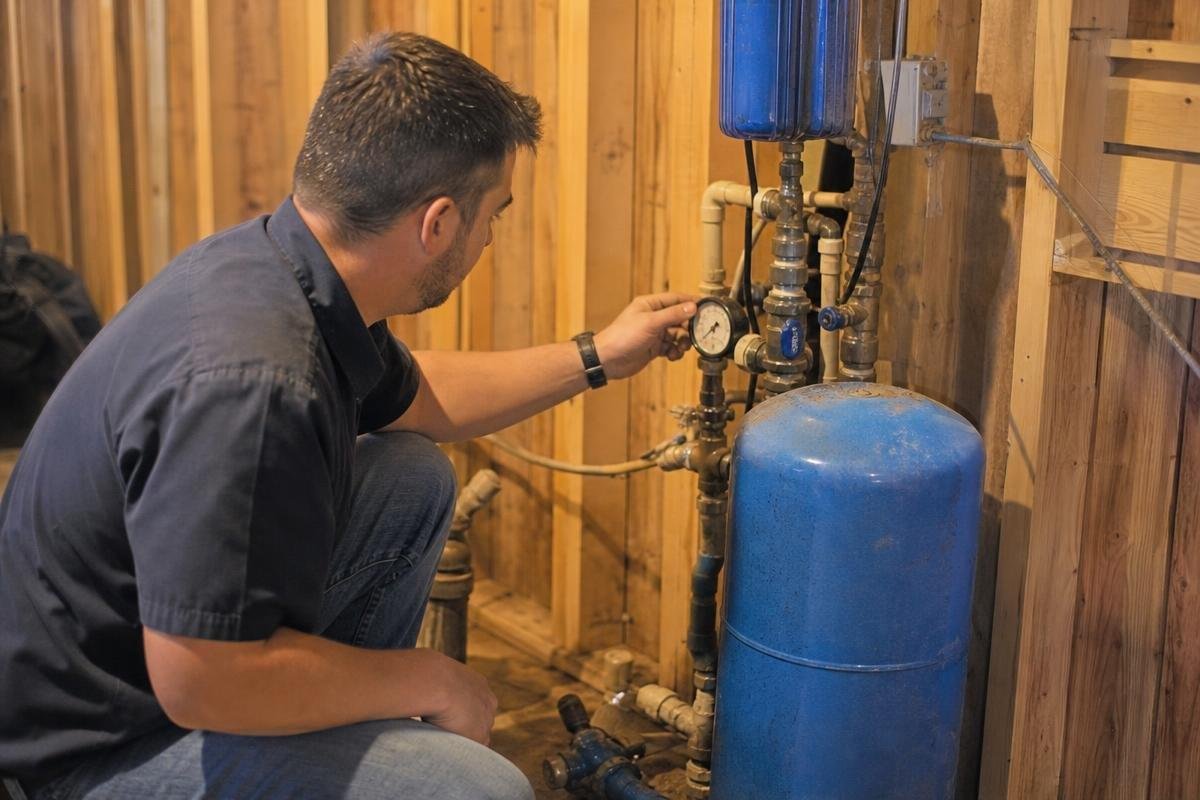
You may need well pump repair in Ukiah when your faucets sputter, the shower loses pressure, or water stops throughout the house. On private well properties in and around Ukiah, including rural areas such as Redwood Valley, these symptoms may involve the well pump, pressure tank, controls, a supply-line leak, or the well’s available water.…
