
Underground water leaks are a homeowner’s nightmare. They’re invisible, they develop silently, and by the time you notice symptoms, significant damage may already be done. A leaking water main or buried supply line can waste thousands of gallons of water per month, undermine your home’s foundation, and create soggy spots across your yard before you ever see a drop inside the house.
For homeowners in Ukiah and throughout Mendocino County, underground leaks are a real concern. The region’s older housing stock means aging copper or galvanized supply lines that have been in the ground for decades. Northern California’s seasonal wet-dry cycle puts constant stress on underground pipes through soil movement, and properties with mature trees face additional risk from root pressure on buried lines.
Knowing how to find a water leak underground, or at least identify strong signs that one exists, can help you take action quickly and give your plumber a head start when they arrive. AAA Organized Plumbing has helped Ukiah homeowners detect and repair underground leaks, and this guide shares the key methods and warning signs to watch for.
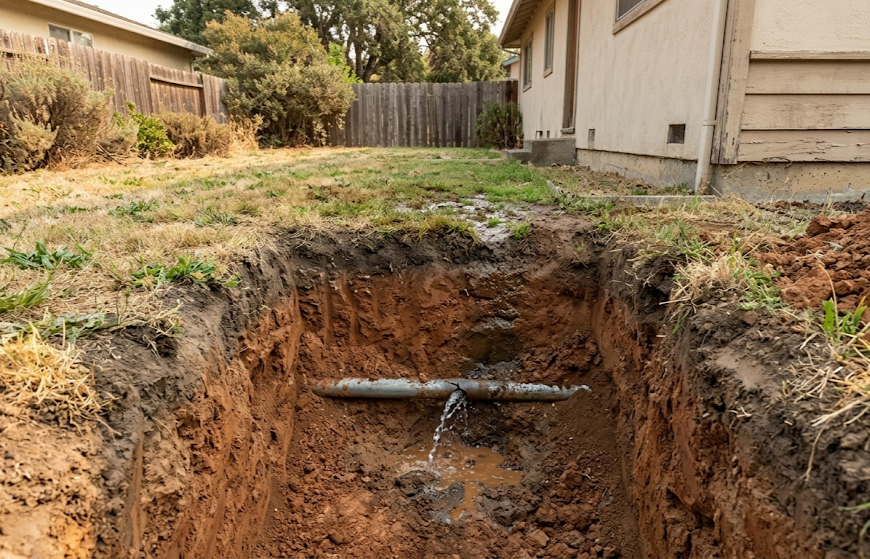
Water leaks above ground are usually obvious: a dripping faucet, a visible wet spot, or a stained ceiling. Underground leaks are different. Water can travel sideways through the soil, emerge far from the actual pipe break, or simply disappear into the ground without any visible pooling.
Depending on soil type, depth, and the pressure of the leak, you might have a broken pipe that has been leaking for months before any above-ground symptoms appear. In Ukiah’s clay-heavy soils, water can pool underground near the break point for a long time before saturating the surface.
This is why early detection depends on recognizing indirect clues rather than waiting for the problem to announce itself.
One of the most reliable early indicators of an underground leak is a sudden, unexplained increase in your water bill. If your usage habits haven’t changed but your bill has jumped significantly, water is going somewhere it shouldn’t be.
The Mendocino County Water District and City of Ukiah water utilities typically base bills on metered usage. If your meter is showing higher consumption than you’d expect, an underground leak is a likely cause. A single half-inch pipe break can lose hundreds of gallons per day, and you’ll see that reflected in your monthly billing before any visible symptoms appear.
Pull your last several months of water bills and compare them. A consistent upward trend, or a single sharp increase, warrants investigation.
Walk your property and pay attention to the feel of the ground underfoot. Saturated soil from an underground leak can make normally firm ground feel soft and spongy even during dry weather. During Ukiah’s dry summer months, a patch of unusually lush, green grass that outpaces surrounding vegetation is a strong signal that moisture is present underground.
Similarly, look for visible pooling or standing water in areas that don’t normally collect moisture after rain has passed. If a spot stays wet while the rest of the yard dries out, water may be rising from a broken pipe below.
Persistent underground water can erode the soil that supports your home’s foundation and hardscaping. If you notice new cracks developing in your driveway, walkways, patio, or foundation walls, underground water movement could be a contributing factor.
In older Ukiah homes where the original irrigation and supply lines are made of galvanized steel or early copper, pipe corrosion can cause pinhole leaks that slowly saturate the soil beneath concrete slabs and driveways for months before cracking becomes visible.
If you’re experiencing noticeably reduced water pressure at multiple fixtures throughout your home and there’s no obvious cause like a pressure regulator issue or main valve problem, water may be escaping through an underground pipe break before it ever reaches your fixtures.
Test pressure at several different fixtures. If multiple areas of the home have reduced flow, and especially if the drop in pressure is recent and unexplained, a supply line leak is worth investigating.
Sit quietly in your home and listen near the water meter or along the path where your main supply line runs. A hissing, rushing, or trickling sound when all fixtures are off can indicate water flowing through a break in the line.
This method works best in quieter conditions, such as late at night or early morning. Walk along the likely path of the supply line from the street to your home while listening. The closer you get to the leak, the more audible it typically becomes.
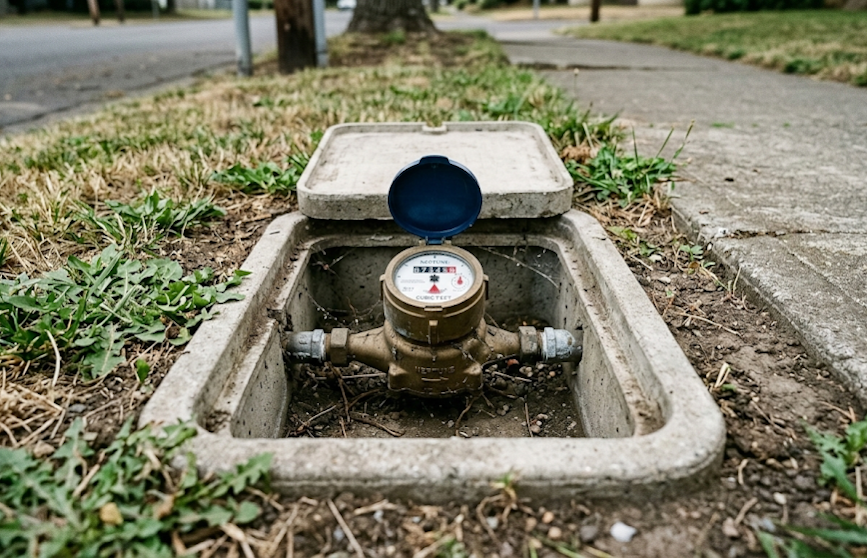
Your water meter is one of the most useful tools for confirming an underground leak. Here’s how to use it:
Turn off all water inside and outside the home. Make sure no one is using any fixture, and that irrigation systems, ice makers, and other automatic water users are off.
Find your water meter, typically located near the street or at the edge of your property. Look for a small triangular or circular indicator on the meter face. This is the leak detector. If it’s spinning or moving when all water inside the home is off, water is flowing through your system and leaking somewhere.
Record the meter reading, leave all water off for one hour, and check the reading again. Any change in the reading confirms a leak in your supply system.
There are some additional approaches homeowners can try before calling a plumber.
Listen with a hollow pipe or broomstick pressed against the ground. Some underground leaks produce a sound that travels through the soil and can be heard using a rod or metal probe as a simple amplifier. Press the end firmly to the ground and put your ear to the other end while moving along the path of the supply line.
Check visible pipe segments. If any portion of your supply line is accessible, such as in a crawl space, garage, or at the point it enters the home, inspect those areas for moisture, corrosion, or mineral deposits that might indicate a slow leak nearby.
That said, accurately locating an underground leak often requires professional equipment. Acoustic leak detectors, ground-penetrating radar, and pressure testing are far more precise than what’s available to most homeowners.
You should contact a professional plumber for underground leak detection when:
Our leak repair team at AAA Organized Plumbing uses professional detection equipment to locate underground leaks accurately before any digging begins. This minimizes excavation and ensures we address the actual break point rather than guessing.
For situations where a leak is causing active damage or you’ve lost water pressure entirely, our emergency plumbing team responds quickly to Ukiah and Mendocino County homes.
When a professional plumber assesses an underground leak, the process typically involves several steps.
A pressure test isolates sections of the system to identify which line is leaking and approximate how severe the leak is.
Acoustic detection equipment amplifies the sound of water escaping from a pipe and helps pinpoint the leak location from above ground. This avoids unnecessary excavation.
Once the leak is located, the plumber will assess the best repair method. Options range from a targeted spot repair (excavating only at the break point) to pipe relining, which rehabilitates the interior of the pipe without full excavation, to full pipe replacement if the line is badly deteriorated.
Supply line leaks typically involve clean or slightly murky water. Sewer line leaks involve wastewater and are often accompanied by sewage odor. The water meter test described in this guide only measures supply water flow, so a positive result points to the supply system. A wet, odorous area in the yard without a supply leak reading may indicate a sewer issue instead.
Yes. Persistent underground leaking can erode soil beneath foundations and slabs, causing settling, cracking, and in severe cases, structural compromise. In Ukiah’s clay soils, water can also cause soil expansion and contraction that stresses foundation elements over time.
It depends on the severity of the leak and soil conditions. A small pinhole leak in stable soil might go unnoticed for months without causing structural damage, though it will waste significant water. A larger break in soft or unstable soil can cause noticeable damage within weeks. Acting on early warning signs is always the right call.
Coverage varies widely by policy. Most standard homeowners insurance policies cover sudden and accidental pipe breaks but not gradual leaks resulting from wear and corrosion. Reviewing your policy or contacting your insurance agent before a claim is always a good idea.
Cost depends on the location and severity of the break, the depth of the pipe, and the repair method used. Spot repairs are generally less costly than full pipe replacements. Call us at (707) 200-3159 for a specific assessment of your situation.
Yes, though this is more common with sewer lines, tree roots can also penetrate and damage supply pipes, especially older galvanized or copper lines with weakened joints. Mature trees common throughout Ukiah and Mendocino County neighborhoods can be a contributing factor.
If you suspect an underground water leak at your Ukiah home, don’t wait for the damage to get worse. The team at AAA Organized Plumbing has the equipment and experience to find and fix underground leaks efficiently. Call us at (707) 200-3159 or contact our team to schedule a leak detection visit.
AAA Organized Plumbing is a licensed plumbing company serving Ukiah, Mendocino County, and surrounding communities in Northern California. We specialize in leak detection and repair, emergency plumbing response, and a full range of residential plumbing services.
Our experienced technicians use professional-grade equipment to locate and resolve underground leaks with minimal disruption to your property. Reach us at (707) 200-3159 or visit 1252 Airport Park Blvd STE A4, Ukiah, CA 95482.
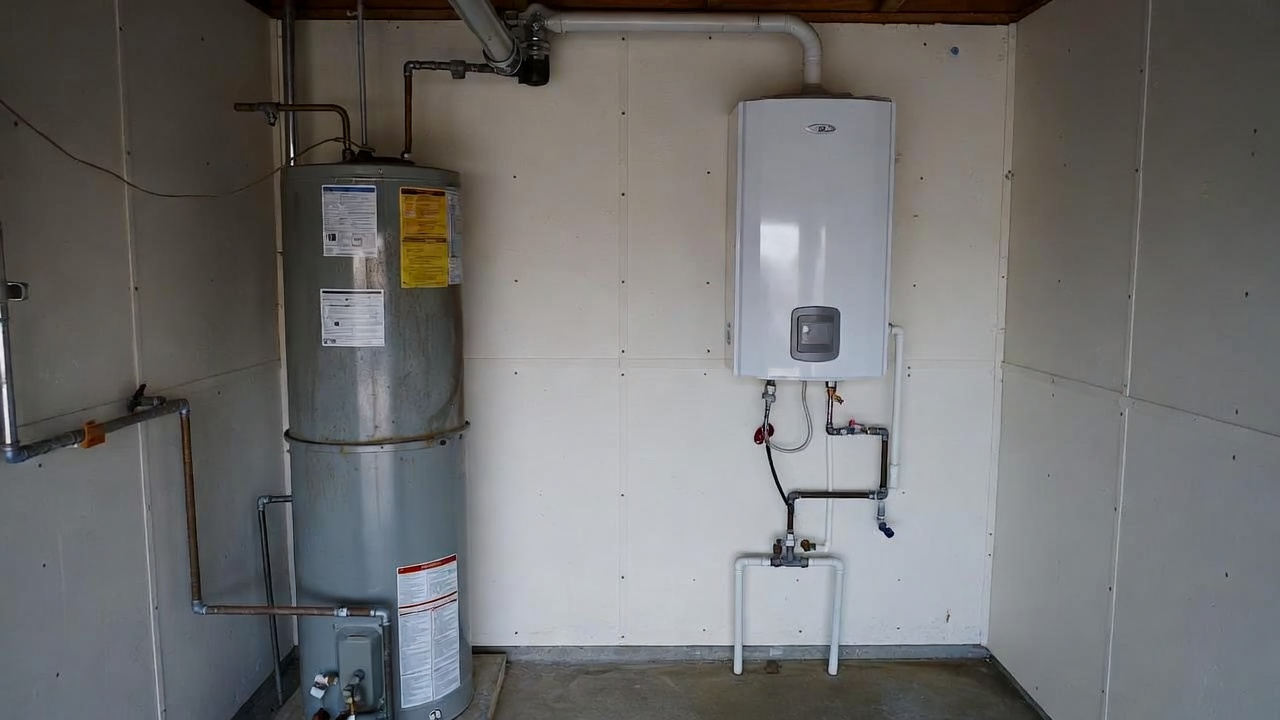
If your water heater is reaching the end of its life or you’re planning a home renovation, the question of tankless vs. tank water heater is one you’ll need to answer. Both types have real advantages, and the right choice depends on your household size, usage patterns, home setup, and budget. In Northern California, homeowners…
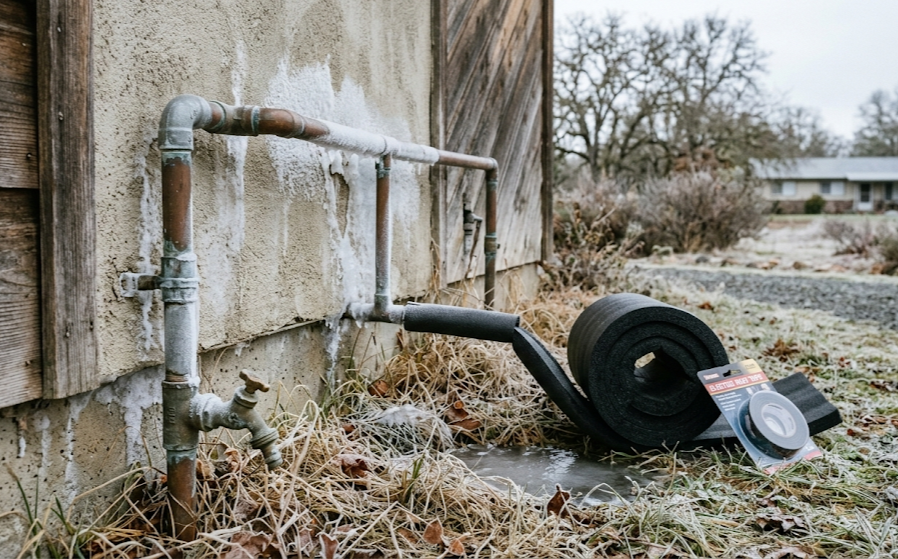
Northern California’s climate is generally mild compared to colder regions of the country, but Mendocino County winters can bring freezing temperatures, particularly in inland communities like Ukiah and Willits. When temperatures drop below 32 degrees Fahrenheit, water pipes in unprotected areas of your home, including crawl spaces, attics, garages, and exterior walls, are at genuine…
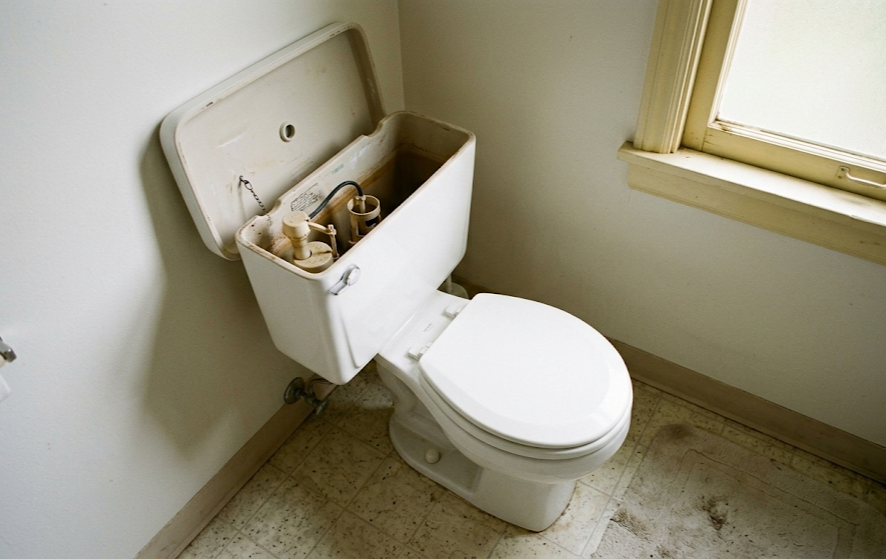
Opening the lid of your toilet tank to find it empty is one of those moments that stops you in your tracks. Whether you lifted the lid to troubleshoot a weak flush or you simply noticed the toilet isn’t refilling after use, a tank with no water is a problem that needs attention. For homeowners…
