
Dealing with a clogged toilet can quickly turn your peaceful morning into a stressful situation, especially when it happens at the most inconvenient times.
Whether you’re hosting guests in your Ukiah home or facing this common plumbing issue during the weekend when professional help might be hours away, knowing how to tackle the problem with items you already have around the house can save you time, money, and embarrassment.
Most toilet clogs can be resolved without calling a professional plumber, and you don’t need expensive equipment or harsh chemicals. The key lies in understanding what’s causing the blockage and applying the right technique with common household items.
From the trusty plunger to surprising solutions like dish soap and hot water, these methods have helped countless homeowners in Ukiah and beyond restore their toilets to proper working order.This comprehensive guide will walk you through proven techniques, safety considerations, and prevention strategies to keep your bathroom functioning smoothly. If DIY methods fail or the issue persists, professional drain cleaning services from AAA Organized Plumbing are just a call away.
Before diving into solutions, it’s essential to understand what typically causes toilet blockages in the first place. Most clogs occur when too much toilet paper is used at once, creating a dense mass that can’t move through the pipes effectively. Non-flushable items like children’s toys, feminine hygiene products, and wipes frequently contribute to stubborn blockages as well.
Hard water, common in many areas around Ukiah, can also play a role in clogs by creating mineral buildup in pipes over time. This buildup gradually reduces the pipe’s diameter, making it more susceptible to blockages from materials that would normally pass through without issue. In some cases, professional drain cleaning services are needed to clear hardened buildup.Understanding the location of the clog helps determine the best approach. Most residential toilet clogs occur in the toilet trap, the curved section at the base of the toilet bowl. Less commonly, blockages happen further down the drain line, which may require different techniques or professional sewer line repair.
When faced with a clogged toilet, most homeowners reach for the plunger first. It’s simple, effective, and often solves the problem without needing any other tools. Still, using the plunger incorrectly can waste time and make the clog worse.
The toilet plunger remains the most effective tool for clearing most clogs, but technique matters significantly. Use the following steps for best results:
Mastering the proper plunging technique not only solves most everyday toilet clogs but also helps you avoid unnecessary chemical cleaners that can damage your pipes. It’s the simplest and safest first step before moving on to other solutions.
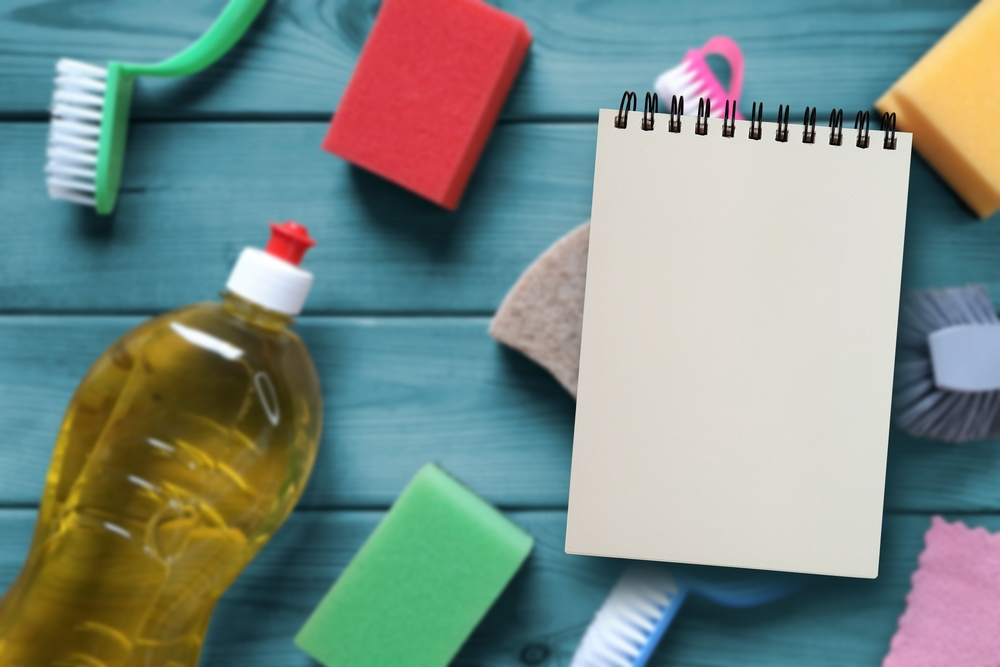
If the plunger doesn’t do the trick, you don’t need to panic. some clogs respond better to a gentler approach. Dish soap and hot water can work together to soften and dislodge blockages without harsh chemicals. This method is simple, safe, and uses items you already have in your kitchen.
Follow these steps:
This method works especially well for clogs caused by organic waste and excess toilet paper. If the clog still won’t clear after trying this method, it may be time to move on to other DIY techniques or call for professional drain cleaning services.
When you want a natural solution without harsh chemicals, baking soda and vinegar can be surprisingly effective. This simple household combination relies on a fizzing chemical reaction to loosen clogs and improve water flow. It’s safe, eco-friendly, and ideal for smaller or partial blockages.
Follow these steps:
This method works especially well for clogs involving hair or organic material. If repeated attempts don’t resolve the problem, it’s best to schedule professional drain cleaning services to fully clear the blockage.
If plungers, hot water, and baking soda haven’t solved the problem, a wire coat hanger can act as a last-resort DIY tool. While not as powerful as a professional drain snake, it can help break up or remove shallow clogs when nothing else works. Just take care not to damage the porcelain inside your toilet.
Follow these steps:
This method works particularly well for clogs caused by foreign objects or compacted toilet paper. If it doesn’t work or if you’re uncomfortable using makeshift tools, contact AAA Organized Plumbing for professional drain cleaning that safely clears the blockage without risking damage.
If your clog won’t budge with plungers, hot water, or baking soda, you still have a few advanced household tricks that can help. These methods use stronger approaches and a bit of creativity, often enough to clear blockages that resist standard solutions.
These techniques work well for tough but manageable blockages, but if your toilet still won’t flush properly, it’s time to stop DIY attempts. At that point, calling for professional drain cleaning services ensures the clog is cleared safely without risking pipe or toilet damage.
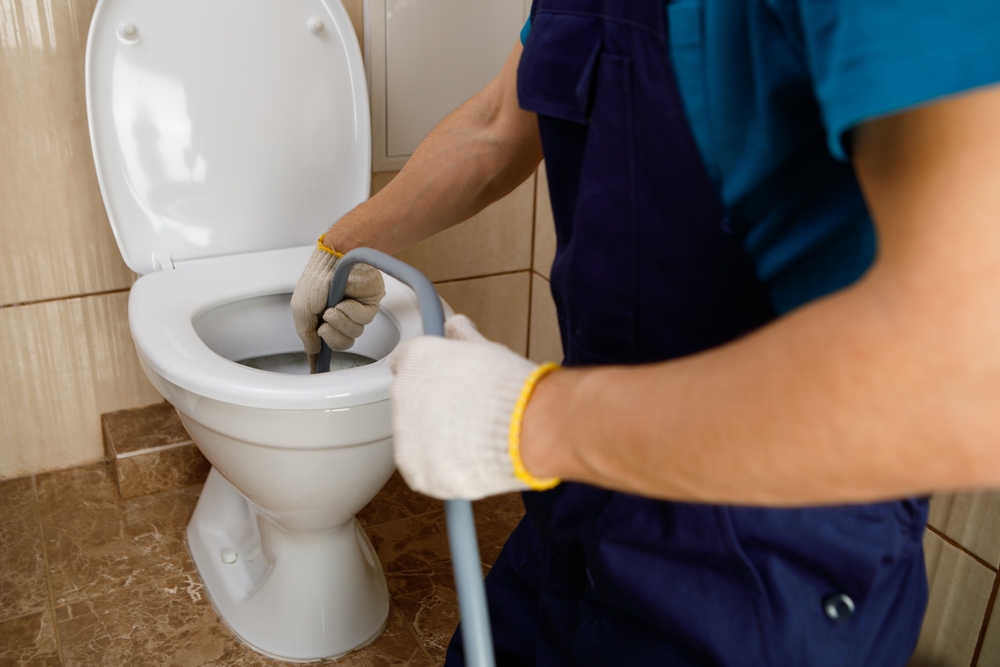
Safety should always be your top priority when dealing with toilet clogs. Always wear rubber gloves to protect your hands from bacteria and avoid contact with contaminated water. Ensure adequate ventilation in the bathroom, especially when using vinegar-based solutions that can create strong odors.
Never mix chemical products, even common ones like bleach and vinegar, as this can create dangerous gases. If you notice sewage backing up into other drains or detect strong odors coming from other areas of your home, stop your efforts immediately and contact professionals like AAA Organized Plumbing who can check for more serious plumbing issues.
It’s also important to recognize when a clog is beyond DIY solutions. If you’ve tried multiple methods without success, if water is backing up into other fixtures, or if you suspect the clog involves non-organic items (toys, jewelry, or hygiene products), it’s time to call for professional drain cleaning services. Additionally, older homes in Ukiah may have aging plumbing systems that require a professional inspection. Trying repeated DIY fixes in these cases can risk serious damage and higher repair costs. For safe, reliable solutions, trust the licensed team at AAA Organized Plumbing.
Preventing toilet clogs is much easier than fixing them, and establishing good bathroom habits can save you considerable trouble. The most important rule is simple: only flush toilet paper and human waste, nothing else belongs in your toilet. Keep a small trash can nearby for disposing of feminine hygiene products, dental floss, cotton swabs, and other items that commonly cause blockages.
Monitor toilet paper usage, especially if you have children in the home. Teach family members to use reasonable amounts and to flush twice if necessary rather than overloading the system. Consider switching to septic-safe toilet paper if you frequently experience clogs, as these products break down more easily in water.
Regular maintenance helps prevent clogs before they start. Monthly applications of the baking soda and vinegar method (even when no clog exists) can help keep pipes clear of mineral buildup and organic residue. For ongoing issues, schedule professional drain cleaning services to ensure your plumbing remains free of blockages.
Also, be aware that toilet tank not refilling problems can sometimes contribute to poor flushing performance that leads to clogs. Check out our guide on how to fix a toilet tank that’s not refilling to keep your system working properly.Finally, understanding how to stop a toilet from backing up is crucial for long-term maintenance. Regularly inspect your toilet’s flushing power and address any changes immediately. Quick action prevents minor issues from becoming major plumbing emergencies.
If your toilet begins to overflow, immediately turn off the water supply by locating the shut-off valve behind the toilet and turning it clockwise. Remove the toilet tank lid and push down on the flapper to stop water from entering the bowl. Clean up any spilled water immediately and wait for the water level to recede before attempting further unclogging methods.
Allow at least 15-30 minutes between different methods to give each approach time to work effectively. Rushing between techniques can actually make clogs worse by compacting debris further. For chemical methods like baking soda and vinegar, wait the full recommended time before testing or trying alternative approaches.
While bleach can help sanitize, it’s not effective at clearing clogs and can be dangerous when mixed with other substances. Stick to the methods outlined in this guide, which are safer and more effective for actual blockage removal. If you need to disinfect after clearing a clog, wait until the blockage is completely resolved before using any bleach products.
A simple toilet clog typically affects only that specific toilet, while sewer line issues usually cause problems with multiple drains throughout your home. If you notice water backing up in sinks, tubs, or other toilets when you flush, or if you detect sewage odors from multiple locations, you likely have a main sewer line issue that requires professional attention.
Signs of progress include water beginning to drain slowly from the bowl, gurgling sounds that indicate movement in the pipes, or visible changes in water level. However, don’t declare victory until you can achieve a complete, normal flush. Partial success often means the clog is loosening but not completely cleared, so continue with your chosen method until full function is restored.
Successfully fixing a clogged toilet with simple household items is not only possible but often more effective than expensive chemical drain cleaners. By understanding the cause of your clog and systematically applying these proven methods, you can resolve most toilet blockages quickly and safely.
Remember that patience and the right technique are more valuable than force. Always prioritize safety by wearing gloves and ensuring proper ventilation during any DIY unclogging efforts.
AAA Organized Plumbing specializes in comprehensive residential and commercial plumbing services with over 15 years of experience serving Ukiah and the surrounding North Bay area. Our team of licensed professionals combines technical expertise with local knowledge to deliver reliable solutions for everything from simple clogs to complex sewer line issues.
We provide expert services including:
We pride ourselves on transparent pricing, prompt response times, long-lasting repairs that address root causes, not just symptoms, and preventive maintenance programs that help clients avoid costly emergency repairs. Our comprehensive approach has already helped over 5,000 residential and commercial clients maintain efficient plumbing systems in Ukiah and beyond. Contact AAA Organized Plumbing today at (707) 200-3159 to discuss how our plumbing expertise can help you maintain a trouble-free bathroom and plumbing system.
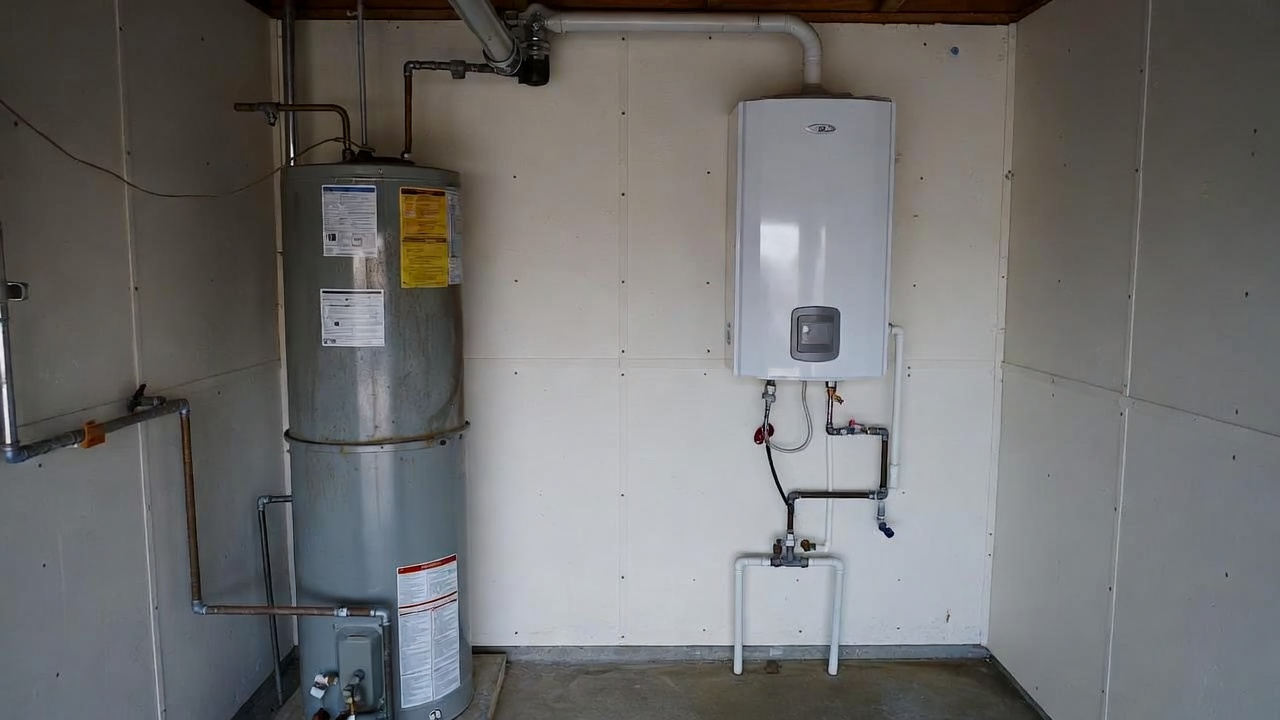
If your water heater is reaching the end of its life or you’re planning a home renovation, the question of tankless vs. tank water heater is one you’ll need to answer. Both types have real advantages, and the right choice depends on your household size, usage patterns, home setup, and budget. In Northern California, homeowners…
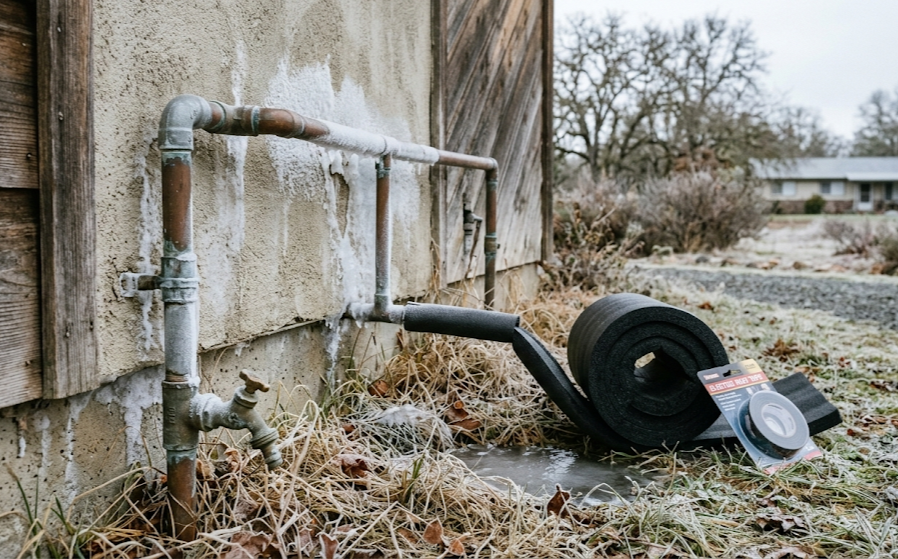
Northern California’s climate is generally mild compared to colder regions of the country, but Mendocino County winters can bring freezing temperatures, particularly in inland communities like Ukiah and Willits. When temperatures drop below 32 degrees Fahrenheit, water pipes in unprotected areas of your home, including crawl spaces, attics, garages, and exterior walls, are at genuine…
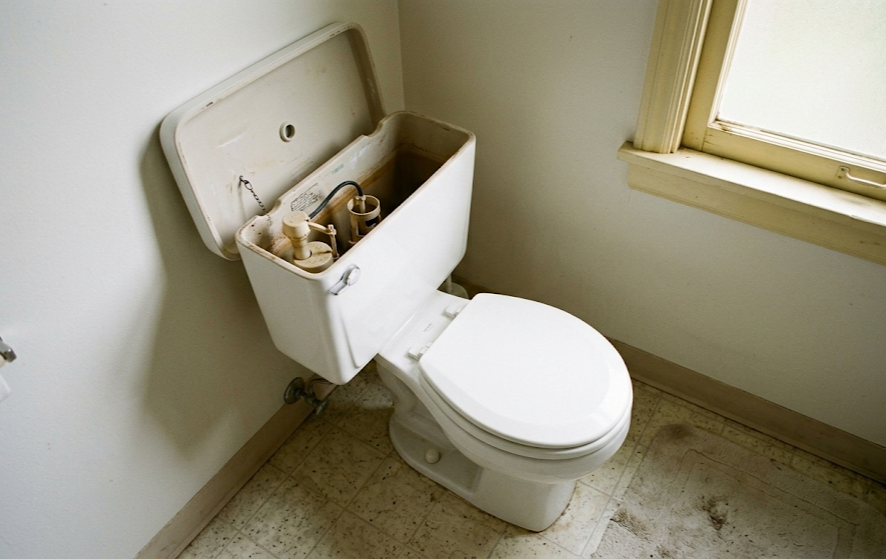
Opening the lid of your toilet tank to find it empty is one of those moments that stops you in your tracks. Whether you lifted the lid to troubleshoot a weak flush or you simply noticed the toilet isn’t refilling after use, a tank with no water is a problem that needs attention. For homeowners…
