
Waking up to cold water is never a pleasant surprise, especially on a chilly Mendocino County morning. If your water heater isn’t producing hot water, a pilot light that has gone out is one of the most common culprits. Knowing how to light the pilot light on your water heater is a useful skill for any homeowner, and in many cases it’s a safe, straightforward process you can handle yourself.
That said, water heaters can be tricky, and in some situations, a pilot light that won’t stay lit points to a deeper problem. Homeowners in Ukiah and throughout Northern California often find themselves dealing with aging water heaters that need more than just a quick relight. At AAA Organized Plumbing, we get calls about pilot light issues regularly, and we want to make sure you have the information you need before picking up the phone.
Whether you need a quick walkthrough for relighting your pilot or you suspect something more serious is going on, this guide has you covered.
The pilot light is a small, continuously burning flame inside your gas water heater. It ignites the main burner when your thermostat calls for heat. Without it, your water heater simply cannot produce hot water.
Pilot lights go out for several common reasons:
In Ukiah and Mendocino County, older homes with utility rooms that aren’t well-sealed can experience pilot outages more frequently due to drafts coming in through gaps in walls, doors, or vents. If your water heater is located in a garage or basement with poor airflow sealing, this may be a recurring issue worth addressing.
Before attempting to relight your pilot light, safety is paramount. Gas is involved, and even small mistakes can have serious consequences. Follow these steps before you do anything else.
First, locate your water heater and inspect the area around it. Make sure there are no obvious gas leaks. If you smell a strong gas odor near the unit, do not attempt to relight the pilot. Leave the area, open windows and doors, and call your gas utility company and a plumber immediately.
If the gas smell is faint or absent, proceed carefully. Turn the gas valve or control knob to the “off” position and wait at least five minutes. This allows any residual gas to dissipate before you introduce a flame. Skipping this step is one of the most dangerous mistakes homeowners make.
Have a long-reach lighter or a box of long matches ready. Never use a short match or standard lighter near a gas appliance.
The exact steps can vary slightly depending on your water heater brand and model, but the general process is similar for most traditional gas water heaters.
Look for a small access panel or opening near the bottom of your water heater. Near it, you’ll find a gas valve or control knob typically marked with settings like “Hot,” “Very Hot,” “Vacation,” and a “Pilot” or “Ignite” position. There may also be a separate red igniter button.
Turn the control knob or dial to the “Pilot” position. On some older models, this may simply be labeled with a flame icon or the word “Pilot.”
Press and hold the red pilot button or the control knob itself (on some models, pushing down on the knob activates the pilot gas flow). Keep it pressed down continuously throughout the next step.
While holding the pilot button down, use your long-reach lighter or lit match to ignite the pilot burner inside the access opening. You should see a small flame appear. Continue holding the button down for 30 to 60 seconds after the flame lights. This gives the thermocouple time to heat up and signal that the pilot is lit.
Slowly release the pilot button. The flame should remain lit. If it goes out immediately, the thermocouple may not have heated sufficiently. Try again, holding the button longer this time (up to 90 seconds).
Once the pilot is lit and holding, turn the control knob from “Pilot” to your desired temperature setting, typically around 120 degrees Fahrenheit. Close the access panel, and your water heater should begin heating water within 30 to 45 minutes.
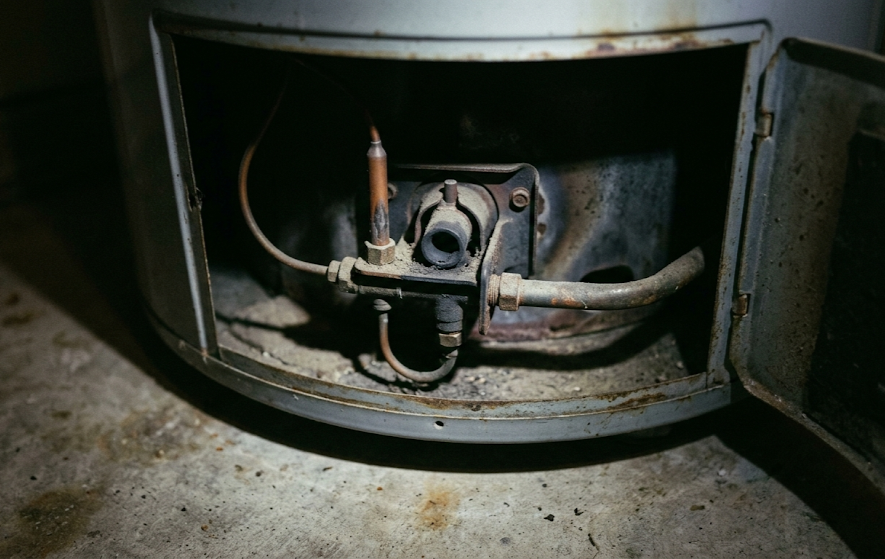
If you’ve followed the steps above and the pilot light goes out repeatedly, something more than a simple relight is needed. The most common cause is a faulty thermocouple.
The thermocouple is a safety device that detects the pilot flame. When it’s functioning properly, it sends a small electrical signal to the gas valve that keeps gas flowing to the pilot. When it fails or wears out, the gas valve shuts off, and the pilot goes out even if you light it successfully.
Thermocouple replacement is a relatively inexpensive repair, but it does require some mechanical knowledge and the right parts. Other potential causes of a pilot that won’t hold include:
Some water heater problems go beyond a simple pilot relight. Contact our water heater services team at AAA Organized Plumbing if you experience any of the following:
These can all indicate that your water heater is nearing the end of its useful life or has a more serious mechanical problem. Our team serves Ukiah and Mendocino County homeowners with full water heater diagnosis, repair, and replacement services.
For urgent water heater failures that leave you without hot water, our emergency plumbing team is available to respond quickly. Cold showers are no way to start a Northern California morning, and we’re here to help.
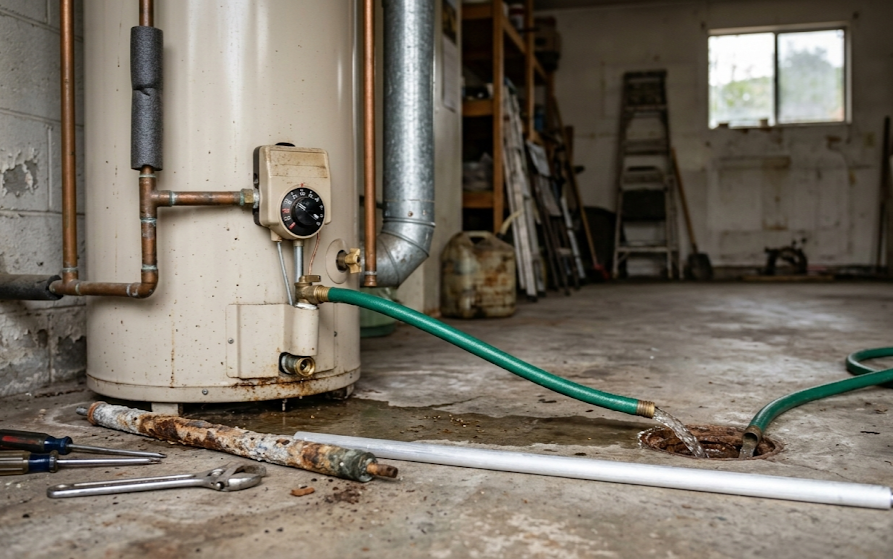
Relighting the pilot is a short-term fix. To keep your water heater running reliably year after year, regular maintenance makes a significant difference.
Flush the tank annually to remove sediment buildup. In Ukiah, water quality can vary depending on whether you’re on city water or a well, and mineral deposits can accumulate over time, reducing efficiency and shortening the life of your unit.
Check the anode rod every two to three years. This sacrificial rod prevents tank corrosion, and replacing it when depleted can add years to your water heater’s lifespan.
Inspect the pressure relief valve annually. This safety valve releases pressure if the tank gets too hot or over-pressurized. Testing it regularly ensures it will function when needed.
Set your thermostat to 120 degrees Fahrenheit for both efficiency and safety. Higher temperatures waste energy and can cause scalding.
Newer gas water heaters often use electronic ignition instead of a traditional standing pilot light. With electronic ignition, there is no continuously burning flame. Instead, the igniter fires automatically when the burner is needed. These systems are more energy-efficient and eliminate the issue of a pilot going out.
If your water heater has electronic ignition and isn’t producing hot water, the fix is different from relighting a standing pilot. Common causes include a tripped circuit breaker, a faulty igniter module, or a gas supply issue. In these cases, it’s best to call a professional rather than attempting a DIY repair.
Traditional gas water heaters with a standing pilot will have a small access opening near the bottom of the tank and a control knob with a “Pilot” setting. Newer models with electronic ignition typically do not have a pilot access opening and may have a small igniter button or switch instead of a flame access point.
After successfully relighting the pilot and setting the thermostat, most standard tank water heaters take 30 to 45 minutes to fully reheat a tank of water. Larger tanks may take up to an hour.
For most homeowners, yes, relighting a pilot light is a safe process when done carefully and following the manufacturer’s instructions. The key steps are to wait at least five minutes after turning off the gas before lighting, and to never attempt a relight if you smell a strong gas odor.
A pilot that won’t stay lit is usually caused by a faulty thermocouple. It can also result from a clogged pilot orifice, strong drafts near the unit, or a problem with the gas valve. If the issue recurs after relighting, it’s worth having a professional inspect the unit.
Most traditional tank water heaters have a lifespan of 8 to 12 years. If yours is approaching or past that age and experiencing issues, replacement is often more cost-effective than repeated repairs. A newer, more efficient model can also reduce your energy bills significantly.
Not directly, but a depleted anode rod allows tank corrosion to accelerate, which can affect the overall health of the water heater and contribute to a range of issues including sediment buildup, reduced efficiency, and eventual leaks.
If your pilot light keeps going out or your water heater isn’t performing as it should, the team at AAA Organized Plumbing is here to help. We serve homeowners throughout Ukiah and Mendocino County with reliable, expert water heater service. Call us at (707) 200-3159 or contact our team to schedule an inspection or repair.
AAA Organized Plumbing is a full-service plumbing company proudly serving Ukiah, Mendocino County, and Northern California. Our experienced technicians handle everything from water heater repairs and replacements to emergency plumbing calls and routine maintenance.
We’re known for honest pricing, prompt service, and work done right the first time. Reach us at (707) 200-3159 or stop by our office at 1252 Airport Park Blvd STE A4, Ukiah, CA 95482.
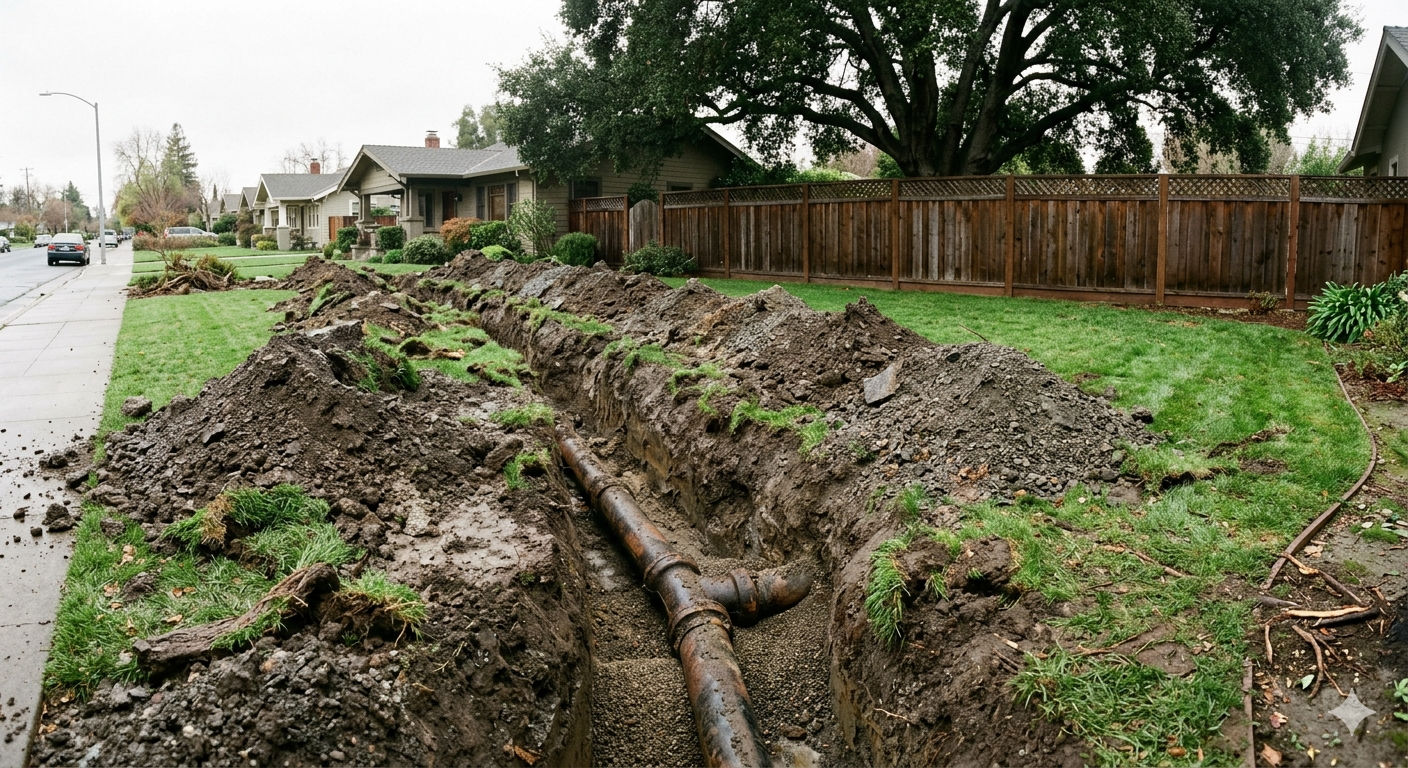
A failing sewer line forces a decision most homeowners are not prepared to make quickly. The pipe is underground, you cannot see it, and two very different repair approaches are on the table. One involves digging a trench across your yard. The other threads a solution through the existing pipe without disturbing the surface above…
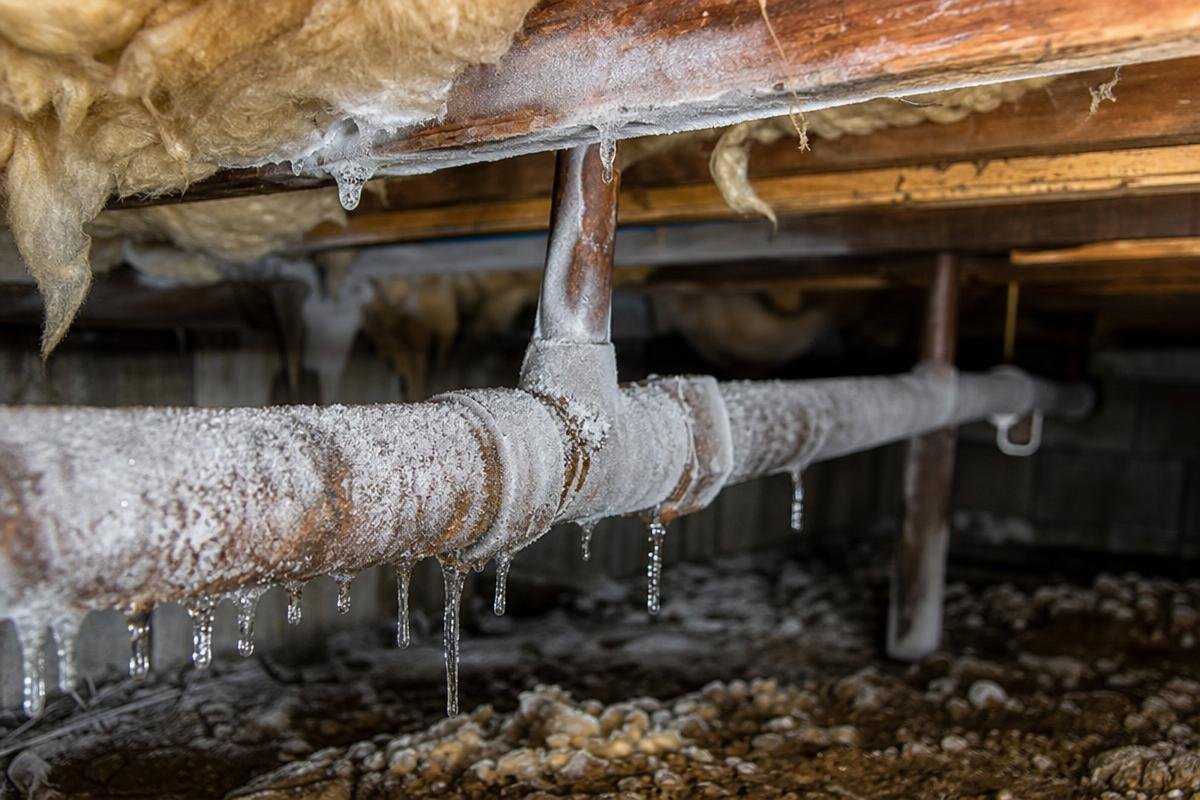
Ukiah winters catch a lot of homeowners off guard. Overnight lows in the upper 20s are common through the heart of winter, and homes built in the mid-20th century often have pipes running through uninsulated crawl spaces and exterior walls with almost no cold protection. Frozen pipes prevention is not complicated, but the mistakes that…
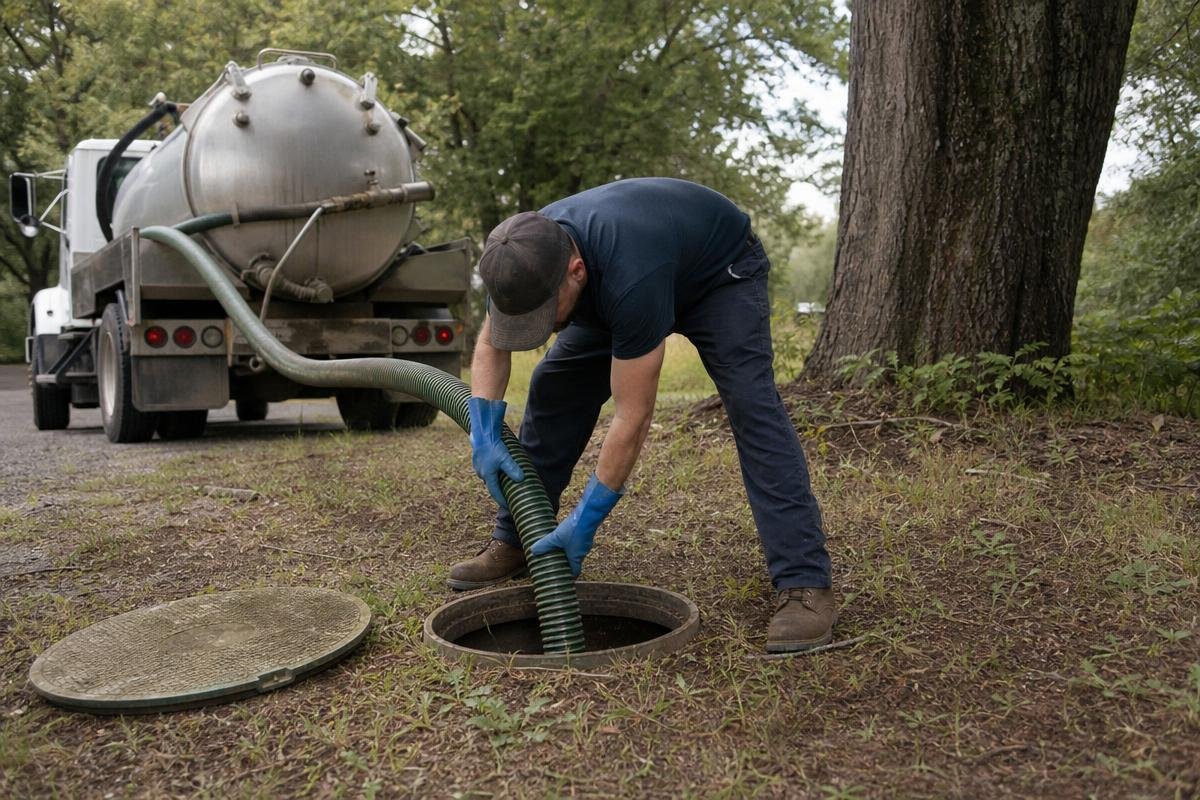
Your septic tank does not send a warning before it backs up. For rural properties in Ukiah and across Mendocino County, knowing the right septic tank pumping frequency is what separates a routine service call from a failed drain field and a repair bill that runs into the thousands. Older septic systems can differ substantially…
