
Northern California’s climate is generally mild compared to colder regions of the country, but Mendocino County winters can bring freezing temperatures, particularly in inland communities like Ukiah and Willits. When temperatures drop below 32 degrees Fahrenheit, water pipes in unprotected areas of your home, including crawl spaces, attics, garages, and exterior walls, are at genuine risk of freezing and potentially bursting.
A frozen pipe that bursts can release hundreds of gallons of water before you even notice what’s happening. The resulting water damage can affect floors, walls, insulation, and personal belongings, and repairs can easily run into the thousands of dollars. Knowing how to prevent frozen pipes is one of the most practical things a Mendocino County homeowner can do to protect their property.
At AAA Organized Plumbing, we respond to burst pipe emergencies every winter in Ukiah and throughout the surrounding region. This guide is designed to help you avoid becoming one of those calls.
Not all homes in Mendocino County face the same level of risk from freezing pipes. Key factors include the location of your home, the construction of your plumbing system, and how well pipes are insulated.
Homes in Ukiah and Willits sit at higher elevation and further from the coast than communities like Fort Bragg or Mendocino. Inland areas experience more extreme temperature swings, with winter overnight lows occasionally dropping below 25 degrees Fahrenheit. Coastal areas benefit from the moderating influence of the Pacific Ocean, but fog and damp conditions can make pipes feel colder and accelerate heat loss.
Older homes throughout Mendocino County often have inadequate insulation in crawl spaces, attics, and exterior wall cavities, leaving pipes in those areas especially vulnerable. If your home was built before the 1980s, it’s worth evaluating where your pipes run and how well they’re protected.
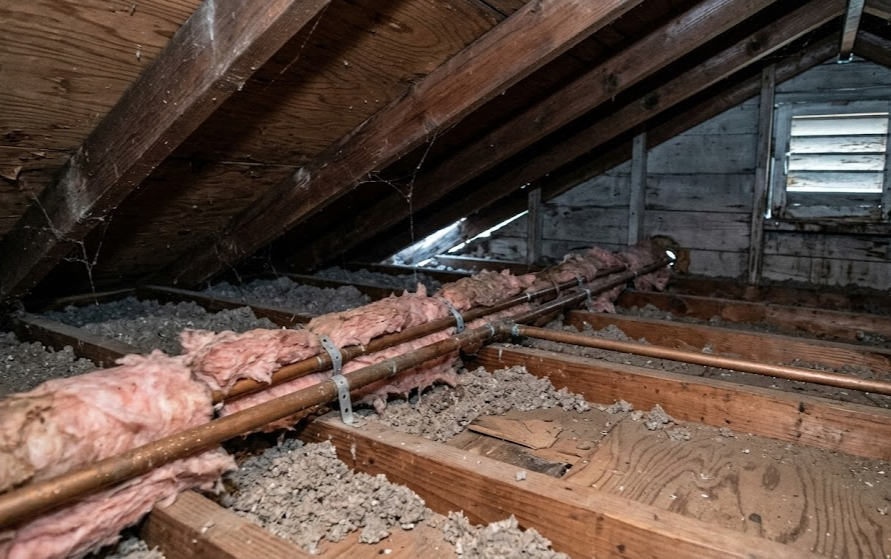
Knowing which pipes are at risk helps you focus your prevention efforts.
Pipes in crawl spaces and basements are often exposed to outside air temperatures, especially in homes with vented crawl spaces that allow cold air to circulate beneath the floor.
Homes near the Russian River corridor and Lake Mendocino should also verify their sump pump is operational before winter. A burst pipe combined with a seasonally high water table can flood a crawl space within hours.
Pipes running through exterior walls have less insulation between them and the outside air, making them vulnerable on extremely cold nights.
Pipes in garages and utility rooms that aren’t heated freeze more readily than those inside conditioned living spaces.
Outdoor hose bibs and irrigation supply lines are always vulnerable if not properly winterized.
Supply pipes in attics can freeze if attic insulation is thin or if there are air gaps that allow cold drafts.
Pipe insulation is the most cost-effective line of defense against freezing. Foam pipe insulation sleeves are inexpensive, available at any hardware store, and easy to install. They slide over standard copper or PVC pipes and significantly slow the rate at which a pipe loses heat.
Focus your insulation efforts on the most vulnerable areas: crawl spaces, attics, garage interiors, and anywhere pipes run along exterior walls. Pay particular attention to water supply lines that serve outdoor fixtures or run through unheated spaces.
For especially cold areas or pipes with minimal natural heat exposure, self-regulating electric heat tape can provide additional protection. This tape wraps around the pipe and activates automatically when temperatures drop to near freezing.
Cold air drafts entering your home through gaps in the foundation, walls, or floor can freeze pipes even when ambient indoor temperatures are above freezing. Walk through your crawl space or basement and look for gaps around where pipes enter the building, around vents, or at the sill plate where the frame meets the foundation.
Use spray foam insulation or caulk to seal these gaps. This not only helps protect pipes but improves your home’s overall energy efficiency and keeps out pests as well.
Many Mendocino County homeowners leave for extended periods during the holiday season or winter months. Turning the thermostat down significantly to save on heating costs while away is understandable, but letting indoor temperatures drop too low creates the perfect conditions for pipe freezing.
Keep your thermostat set to at least 55 degrees Fahrenheit when the home is unoccupied. This keeps indoor temperatures warm enough to protect pipes inside conditioned spaces. Open cabinet doors under kitchen and bathroom sinks to allow heated air to circulate around pipes in exterior walls.
If you’re leaving for more than a few days during cold weather, consider asking a neighbor to check on the house, or having someone run faucets periodically to keep water moving.
When overnight temperatures are expected to drop into the low 30s or below, letting faucets drip slightly keeps water moving through the pipes. Moving water is much less likely to freeze than standing water.
Focus on faucets that are served by pipes in exterior walls or other vulnerable areas. Even a slow drip, a few drops per minute, is enough to prevent freezing in most cases.
This approach is most useful for targeted cold events. It’s not a substitute for proper insulation but is a reliable quick-action measure when temperatures are forecast to drop significantly overnight.
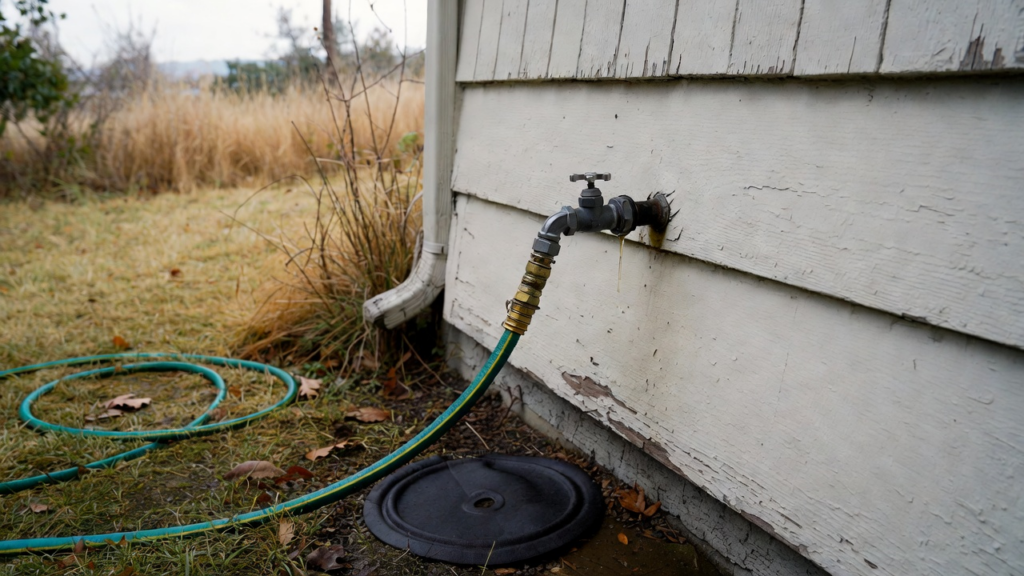
Before winter sets in, disconnect and drain all outdoor garden hoses. A hose left attached to a hose bib traps water in the bib and the pipe it connects to, increasing the risk of freezing. After disconnecting hoses, close the interior shutoff valve for outdoor spigots and open the exterior bib to drain any remaining water.
Frost-free hose bibs are common in modern homes, but even these can freeze if a hose is left connected and trapping water.
For homes with irrigation systems, have the system professionally blown out and winterized before the first hard freeze. This is especially important in Ukiah and Willits, where early-season cold events can occur in November.
Even with the best prevention, a pipe can freeze and burst unexpectedly. Knowing where your main water shutoff is located means you can shut off water quickly in an emergency, significantly limiting water damage.
Most Ukiah homes have a main shutoff at the meter box near the street, and often a secondary shutoff inside the home near the water heater or where the main supply line enters the house. Locate both, make sure they’re accessible and working, and make sure everyone in the household knows where they are.
If a pipe freezes before it bursts, you may have time to thaw it safely. Signs of a frozen pipe include reduced or no water flow at a fixture, particularly after a cold night.
To thaw a frozen pipe, use a hair dryer, heating pad, or warm towels applied directly to the pipe. Never use an open flame. Start from the fixture end and work back toward the supply, keeping the nearest faucet open so steam and water can escape as the ice melts.
If a pipe has already burst, shut off the main water supply immediately and call our leak repair team at AAA Organized Plumbing. We respond to frozen and burst pipe emergencies throughout Ukiah, Willits, and Mendocino County via our emergency plumbing line.
Pipes begin to freeze when the surrounding air temperature drops below 32 degrees Fahrenheit for an extended period. In practice, pipes in well-insulated interior walls rarely freeze unless temperatures drop well below freezing and stay there for several hours. Pipes in uninsulated crawl spaces, garages, and exterior walls can freeze more quickly, sometimes at temperatures in the high 20s.
It depends on the pipe’s location, level of insulation, and how cold it gets. A well-exposed, uninsulated pipe in a crawl space with outdoor temperatures near 20 degrees Fahrenheit could freeze within a few hours. Pipes with some insulation or heat exposure may take a full night or longer.
Space heaters can help in a pinch but are a fire hazard if left unattended in enclosed spaces. For long-term protection, proper pipe insulation and sealing air gaps is safer and more reliable. If you need temporary heat in a crawl space during an extreme cold event, use a space heater rated for the application and never leave it running while you sleep or are away.
A frost-free hose bib has a long stem that positions the actual valve seat inside the heated wall cavity rather than at the exterior surface. When the valve is closed, water drains out of the exterior stem, leaving no water to freeze. They’re more resistant to freezing but still require disconnecting hoses in winter to function properly.
The safest approach is to have the plumbing system winterized by draining all supply lines and adding antifreeze to drain traps. This is more reliable than setting a thermostat and hoping for the best. Our team can winterize plumbing systems for Mendocino County vacation properties and seasonal rentals.
Most standard homeowners insurance policies cover sudden and accidental water damage from burst pipes. However, they typically don’t cover damage resulting from failure to maintain the property, which can include frozen pipes in a home where the heat was left off. Review your policy carefully and take preventive action to stay on solid ground with your insurer.
Don’t wait for the first hard freeze to think about pipe protection. The team at AAA Organized Plumbing helps Mendocino County homeowners prepare their plumbing systems for winter and responds quickly when emergencies happen. Call us at (707) 200-3159 or contact our team to schedule a winterization assessment.
AAA Organized Plumbing is a licensed plumbing company serving Ukiah, Willits, and communities throughout Mendocino County and Northern California. From frozen pipe prevention and winterization to emergency burst pipe repair, our experienced team is ready to help when the temperature drops.
We’re based in Ukiah and deeply familiar with the unique plumbing challenges of the Mendocino County climate and housing stock. Call us at (707) 200-3159 or visit us at 1252 Airport Park Blvd STE A4, Ukiah, CA 95482.
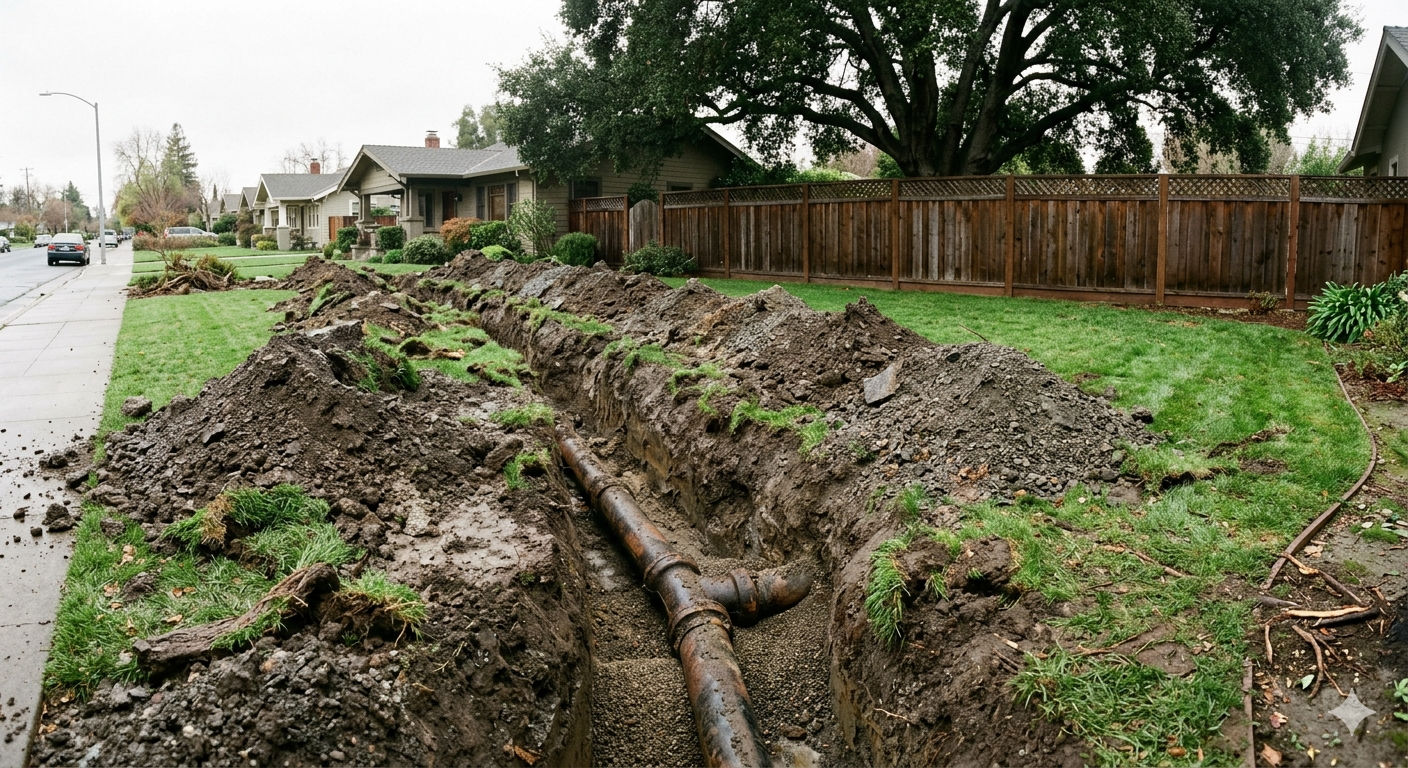
A failing sewer line forces a decision most homeowners are not prepared to make quickly. The pipe is underground, you cannot see it, and two very different repair approaches are on the table. One involves digging a trench across your yard. The other threads a solution through the existing pipe without disturbing the surface above…
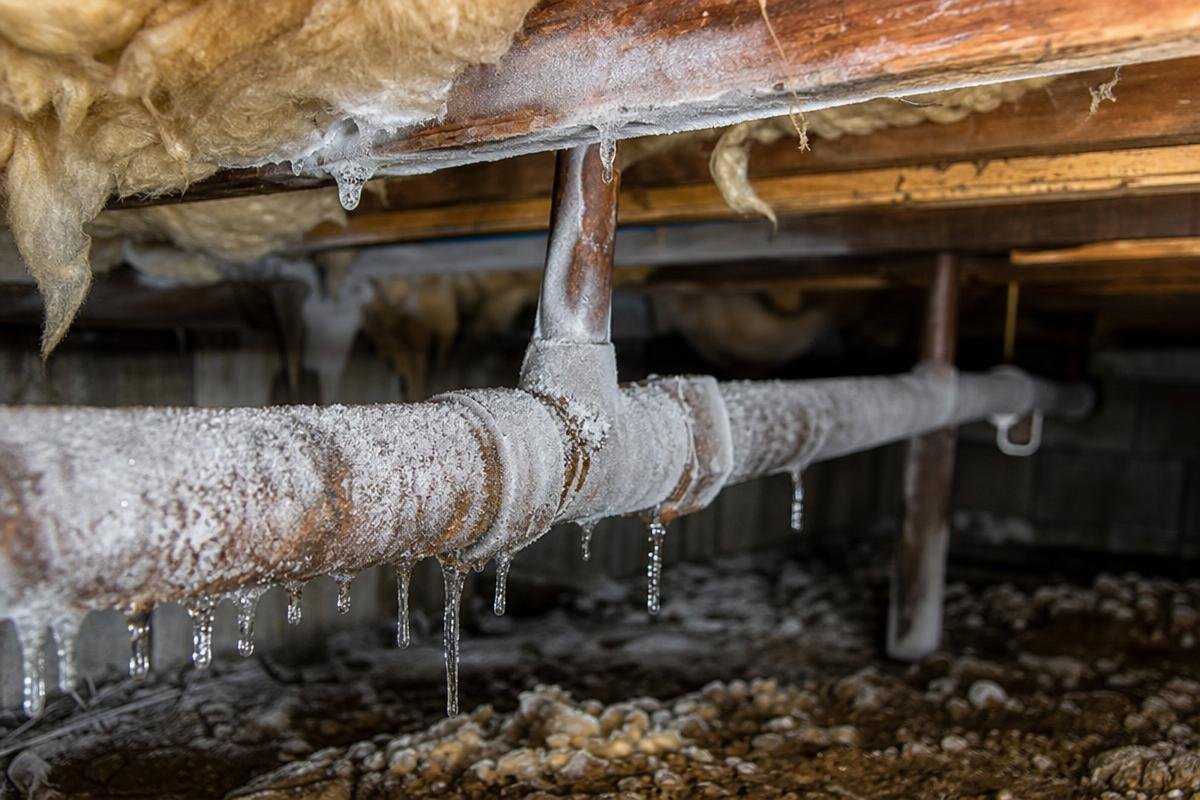
Ukiah winters catch a lot of homeowners off guard. Overnight lows in the upper 20s are common through the heart of winter, and homes built in the mid-20th century often have pipes running through uninsulated crawl spaces and exterior walls with almost no cold protection. Frozen pipes prevention is not complicated, but the mistakes that…
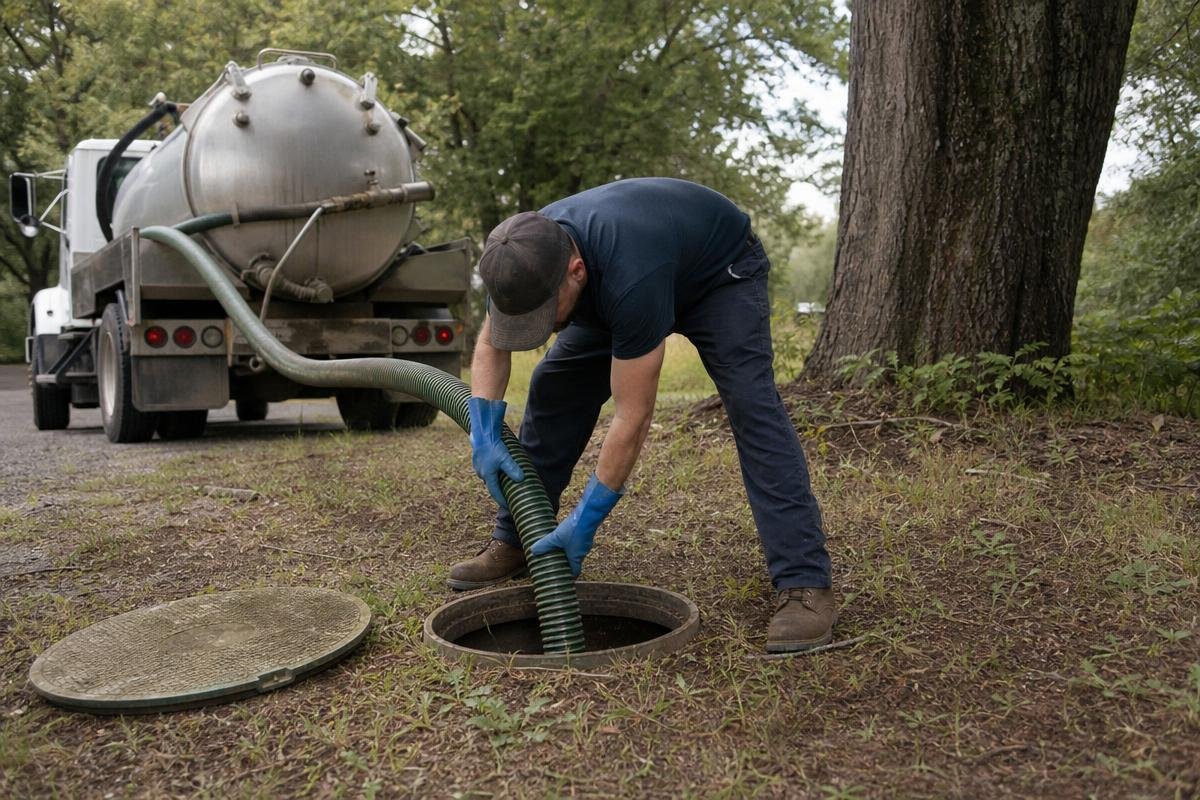
Your septic tank does not send a warning before it backs up. For rural properties in Ukiah and across Mendocino County, knowing the right septic tank pumping frequency is what separates a routine service call from a failed drain field and a repair bill that runs into the thousands. Older septic systems can differ substantially…
