
Slow drains, sewage odors, and standing water near a drain field can be signs that a septic system needs professional attention. These symptoms do not identify the cause on their own, but they should not be ignored.
A qualified septic professional can evaluate a suspected system problem and explain the appropriate next steps. Do not ignore slow drains, sewage odors, or standing water near a drain field.
When a septic system fails, untreated sewage backs up into your home or surfaces in your yard because the drain field can no longer absorb effluent. Everything else in the failure is a lead-up to that moment.
Your septic system has one job: take wastewater out of your home and return clean water to the soil. It does this in three stages. Wastewater flows into the tank, where solids sink to the bottom as sludge and lighter material floats to the top as scum. The liquid in the middle, called effluent, moves out to the drain field. There, soil bacteria filter it before it re-enters the groundwater.
That process works well, until it doesn’t.
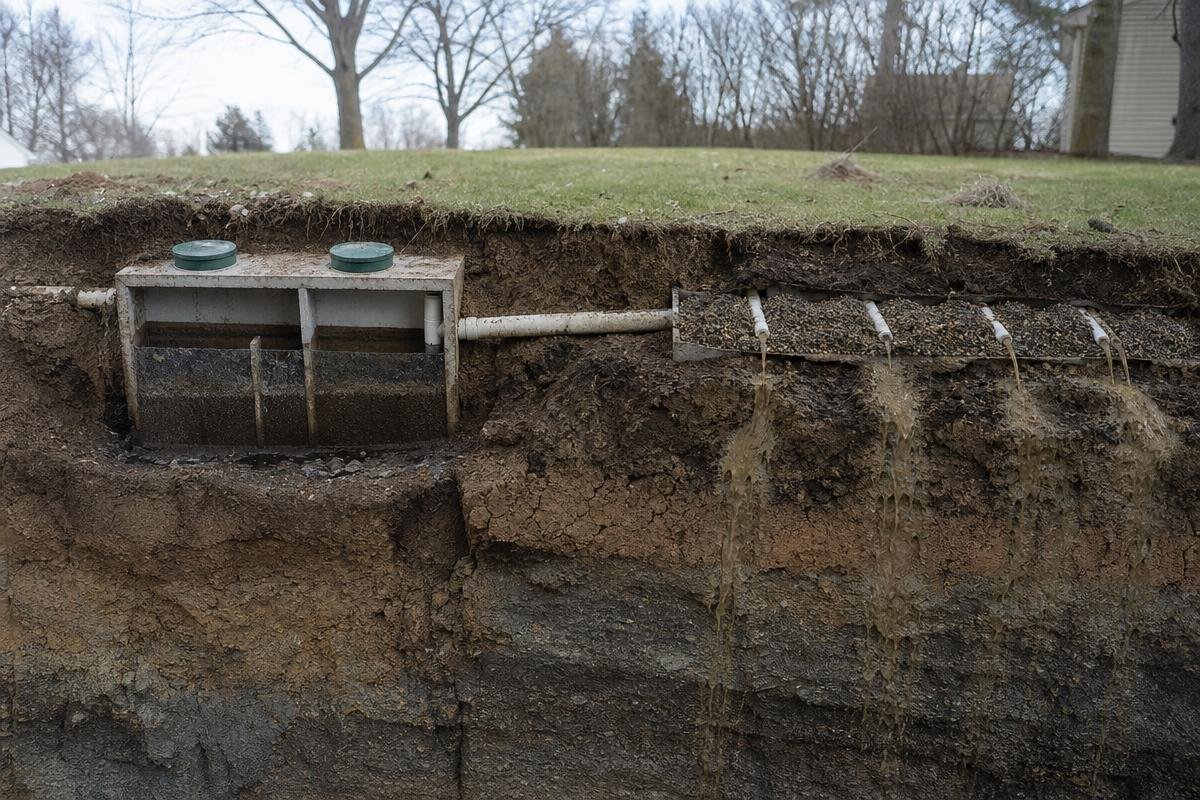
The early indicators rarely appear all at once. The sequence is gradual. Sludge builds up in the tank faster than it breaks down. When the tank fills, untreated effluent gets pushed into the drain field before it’s ready. As a septic system becomes overloaded or damaged, wastewater may not move through the system as intended. A professional evaluation is needed to identify the cause.
When a system cannot handle wastewater effectively, sewage may back up into the home or surface outdoors. A qualified septic professional can assess the cause and recommend the appropriate repair or maintenance step.
Several factors can contribute to septic trouble, including excess water use, infrequent maintenance, and damaged components or connecting lines. A qualified professional can determine whether the concern is in the house line, tank, or drain field.
That slow drain you noticed last week is actually useful information. It tells you the system is under stress before the backup arrives.
These warning signs are easy to dismiss one at a time. Together, they tell a clear story. Here is what to watch for, and how urgent each one actually is.
A slow drain can have several causes. When multiple fixtures drain slowly at the same time, arrange a professional evaluation to identify whether the concern is in a fixture, house line, or septic system., not a simple blockage. Our team can handle this with a drain cleaning. Watch this one closely and schedule an inspection soon.
Sewage-like odors indoors or near a septic system should be evaluated promptly because the cause cannot be confirmed from odor alone. If you notice a rotten egg smell indoors, our guide on why your sink smells like rotten eggs explains the most common causes. Outdoors near the tank lid is less urgent but still warrants a look before the wet season arrives.
Unusually wet ground or noticeably different vegetation near a drain field can be a reason to arrange a professional evaluation. These signs alone do not identify the cause.
Raw sewage backing up into a tub, toilet, or floor drain is a health hazard. Do not wait on this one. Contact our emergency plumbing team today. Left unaddressed, active backup exposes your household to pathogens and can accelerate structural damage to your drain lines.
Gurgling after flushing or draining means air is trapped where it should not be. Gurgling can indicate a drainage concern and warrants professional evaluation, especially when it occurs with slow drains or backups. It is your system telling you pressure is building in the line. Schedule a septic inspection before that pressure finds a way out.
If a well-water test identifies a potential concern, contact the appropriate local health authority and a qualified professional for guidance. A test result alone does not identify the source of a problem.
Standing water near a tank or drain field can have several causes. If it is new or persistent, arrange a professional evaluation rather than assuming the cause.
Pump-out intervals vary by tank size, household use, and the system’s condition. If you do not know when the tank was last serviced, contact a qualified septic professional or Mendocino County Environmental Health for property-specific guidance.

Septic system problems rarely come out of nowhere. Most failures trace back to one of a handful of causes, and several of them are preventable. Several factors can contribute to septic-system problems, and the cause varies by property.
Every septic system is designed for a limited wastewater load. Excess water use or plumbing leaks can add strain to a system. Address a running toilet or other plumbing leak promptly, and consult a qualified professional if multiple fixtures are draining slowly.
Avoid flushing products that are not intended for septic systems. If you are unsure whether a product is appropriate, check the manufacturer’s guidance or ask a qualified septic professional.
Tree roots can affect underground plumbing lines where there is an existing opening or damaged pipe. A professional inspection can determine whether roots are involved.
Soil conditions and seasonal weather can affect drain field performance. A qualified septic professional can evaluate the property and explain how local conditions may affect the system.
The condition of a septic system depends on its materials, installation, maintenance history, and site conditions. If you do not know when the tank was last serviced or inspected, contact a qualified septic professional for property-specific guidance.
Yes. And in communities like Covelo, Hopland, and Calpella, where private wells and septic systems sit on the same property, the risk is real. If you are concerned about well-water quality, contact the appropriate local health authority and arrange testing. A water-test result should be interpreted by a qualified professional.
Septic and well requirements vary by property. Contact Mendocino County Environmental Health to confirm the applicable requirements for your site. Septic and well requirements vary by property.
Nitrates and coliform bacteria are the primary contaminants to worry about. Neither one changes the color, taste, or smell of your water. Testing is the only reliable way to know. That is not a scare tactic. It is just how groundwater contamination works.
Pinpointing where the failure is occurring requires professional diagnostic equipment. Determining the source of a suspected septic problem may require professional diagnostic equipment and property-specific evaluation. If sewage is backing up into your home right now, that is a situation for emergency plumbing, not a scheduled appointment.
Take two steps immediately. Contact the appropriate local health authority and a qualified septic professional for guidance based on the water-test result and property conditions. Second, have a licensed plumber inspect the septic system to find the failure point before it spreads further.
These are the failure signs that cross from a plumbing problem into a public health concern. Knowing when to call a plumber for septic problems, rather than waiting, is what keeps a fixable failure from becoming a much larger one.
If you think a septic system may be affecting your well water, contact a qualified septic professional and the appropriate local health authority for guidance.
Look for new drainage changes, odors, or wet areas around the system. Review available maintenance records and contact a qualified professional if symptoms are present or service history is unknown. Start there. Look for soggy ground, pooling water, or grass that is noticeably greener and thicker than the surrounding area. These are observations, not diagnoses, but they give a plumber a real starting point.
Here is what else you can check without any tools:
Knowing how to locate your sewer line on the property also helps. On large rural lots, a plumber works faster when you can point to where the lines run.
Some of these signs are not a “monitor and wait” situation. Call a licensed plumber immediately if you see any of these:
A sewer camera inspection may help determine whether a concern is in the house line, tank connection, or another accessible part of the system. A qualified professional can explain which diagnostic steps are appropriate for the property.
Local soil, weather, lot layout, and system design can make septic problems harder to recognize. A visible symptom alone cannot identify the cause of a system problem.
Wet weather, dry conditions, and the location of a drain field can affect what homeowners observe. If you notice new pooling water, odors, or drainage problems, document the symptoms and arrange a professional evaluation rather than relying on a visual diagnosis.
Older systems and aging plumbing components may need more attention, but condition varies by property. A professional inspection can identify the system components, maintenance needs, and any concerns that need to be addressed.
Pump-out intervals depend on the system, household use, maintenance history, and local requirements. Contact Mendocino County Environmental Health or a qualified septic professional for property-specific guidance. Mendocino County Environmental Health can confirm local requirements for your specific system, and note that inspection is often triggered at point of sale.
Multiple slow drains, sewage odors, or unusual wet areas can be reasons to arrange an evaluation. These symptoms do not identify the cause by themselves. Catching them early is the difference between a routine pump-out and a full drain field replacement.
If the system is slow but not backing up, follow the guidance provided by the qualified professional evaluating the system. If sewage is backing up into the home, avoid further plumbing use until you receive professional direction.
Costs vary widely depending on scope. Costs depend on the system, site conditions, required work, and local requirements. Request a property-specific estimate from a qualified professional. We give you a clear diagnosis before any repair commitment, so you know exactly what you are dealing with before work begins.
Insurance coverage for septic-related damage varies by policy and cause of loss. Review your policy and ask your insurance agent which coverages or exclusions apply to your situation.
What Is the Difference Between a Septic System and a Sewer Line?
A septic system treats wastewater on the property. A municipal sewer carries wastewater to a shared treatment facility. If you are unsure which system serves your property, review your property records or contact the local utility or environmental health department.
If you are seeing these signs, contact a qualified septic professional for an evaluation. A professional can recommend the appropriate next step based on the system and the property.
Call (707) 621-8282 to discuss your plumbing needs and available service options.
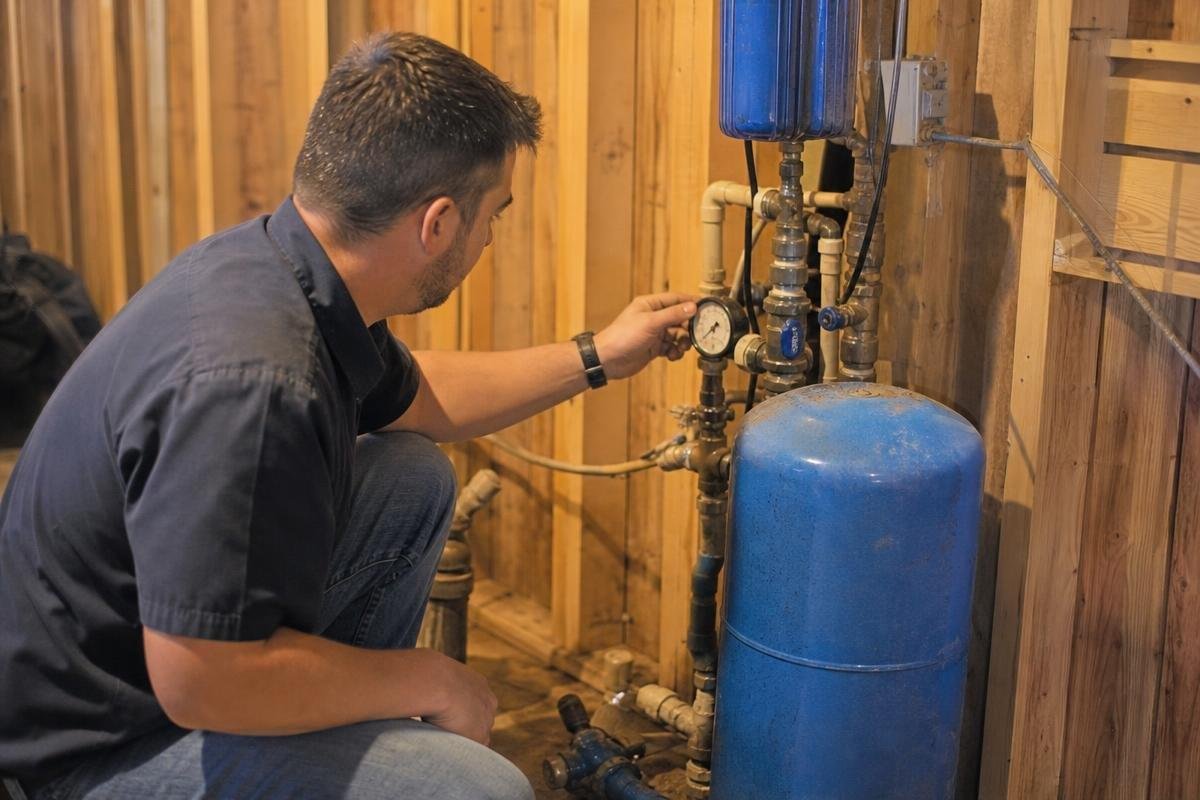
You may need well pump repair in Ukiah when your faucets sputter, the shower loses pressure, or water stops throughout the house. On private well properties in and around Ukiah, including rural areas such as Redwood Valley, these symptoms may involve the well pump, pressure tank, controls, a supply-line leak, or the well’s available water.…
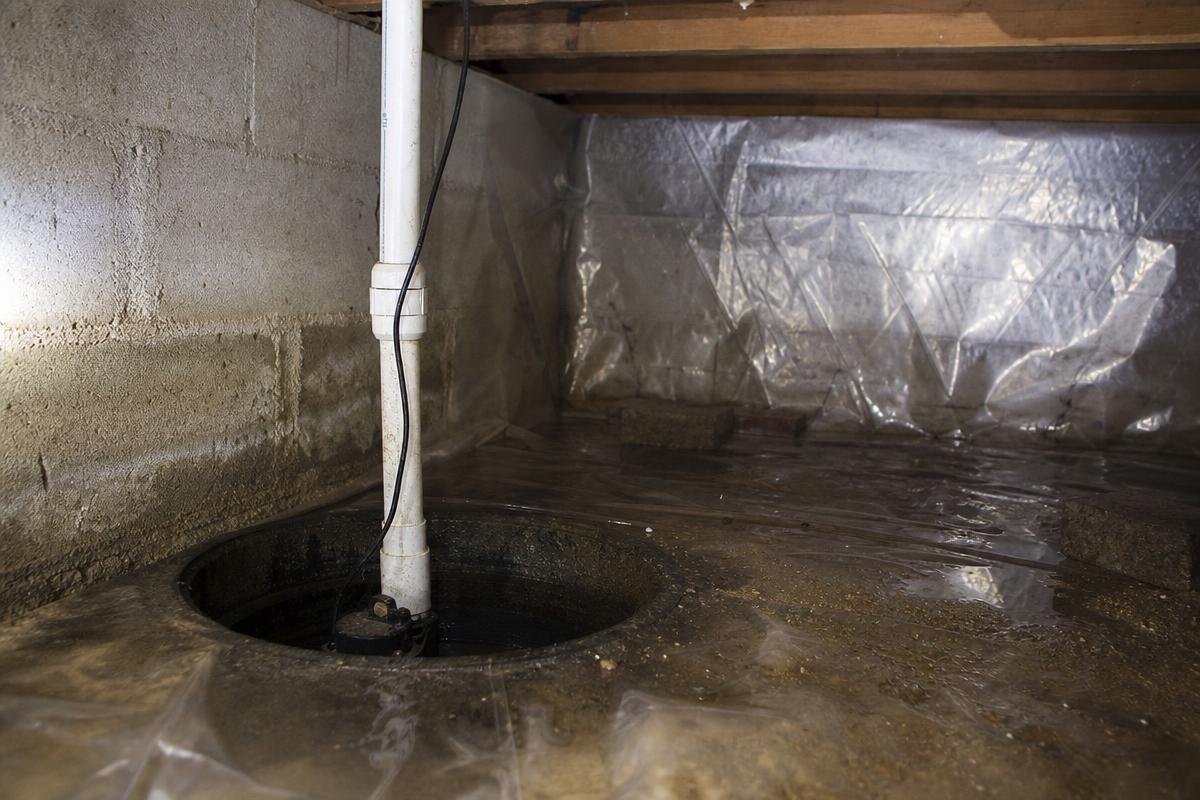
Water stains on a crawl-space wall, a damp smell after hard rain, or water collecting near the foundation can mean you need a sump pump. In Ukiah and nearby Mendocino County communities, winter storms, hillside runoff, valley-floor drainage patterns, irrigation, and downspouts that empty too close to the house can all contribute. AAA Organized Plumbing…
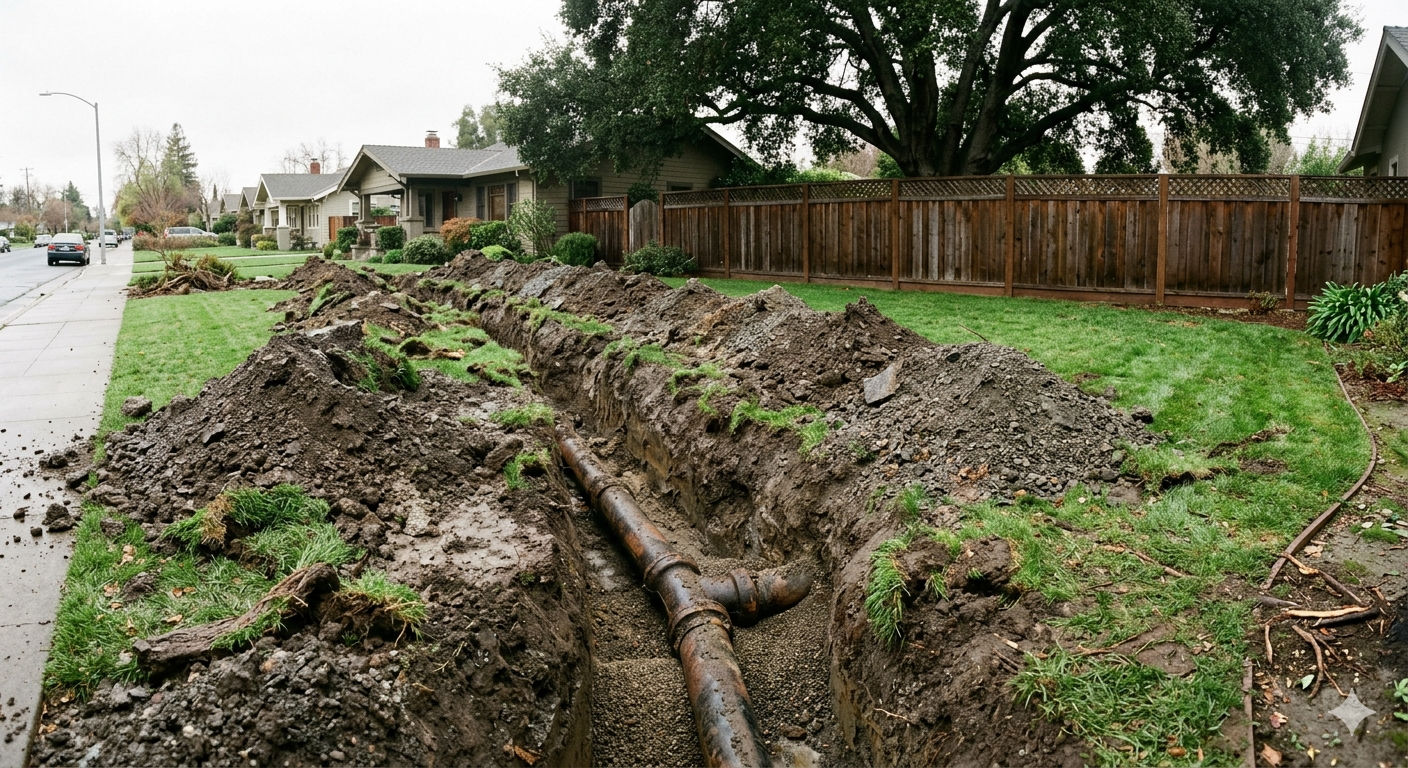
A failing sewer line forces a decision most homeowners are not prepared to make quickly. The pipe is underground, you cannot see it, and two very different repair approaches are on the table. One involves digging a trench across your yard. The other threads a solution through the existing pipe without disturbing the surface above…
