
If your water heater is reaching the end of its life or you’re planning a home renovation, the question of tankless vs. tank water heater is one you’ll need to answer. Both types have real advantages, and the right choice depends on your household size, usage patterns, home setup, and budget.
In Northern California, homeowners from Ukiah to Napa to Healdsburg are increasingly considering tankless water heaters as traditional tank units age out. The moderate climate, energy-conscious culture, and relatively high utility costs in NorCal make energy efficiency an important factor in the decision.
At AAA Organized Plumbing, we install, repair, and replace both tank and tankless water heaters throughout Northern California. Our team has helped countless homeowners work through this decision, and we want to share what we’ve learned to help you make the best choice for your home.
Understanding the basic mechanics of each system makes comparing them much clearer.
A traditional tank water heater stores a large volume of water (typically 40 to 80 gallons) and keeps it hot continuously. When you turn on a hot water tap, water flows from the top of the tank through your pipes. Cold water enters the bottom of the tank, and the heating element or gas burner activates to reheat the incoming water and maintain the set temperature.
The tank is always working to keep stored water hot, even when no one is using hot water. This continuous energy use is called standby heat loss, and it’s one of the main efficiency drawbacks of a traditional tank system.
A tankless water heater (also called an on-demand water heater) heats water only when it’s needed. When you open a hot water tap, cold water flows through the unit and is heated almost instantly by a gas burner or electric heating element. There’s no stored water and no standby heat loss.
Tankless units can provide a continuous supply of hot water as long as demand doesn’t exceed the unit’s flow rate capacity.
On energy efficiency, tankless water heaters have a clear advantage. Because they only heat water on demand, they eliminate standby heat loss entirely. The U.S. Department of Energy estimates that tankless heaters can be 24% to 34% more energy-efficient than tank heaters for homes that use a moderate amount of hot water.
In Northern California, where utility rates are among the highest in the country, this efficiency advantage translates directly into lower monthly bills. For a family using 40 gallons of hot water per day or more, the savings can be substantial over the life of the unit.
That said, the actual savings depend on your household’s usage patterns. Very high-demand households (large families, frequent simultaneous use) may see the efficiency advantage reduced if the tankless unit is working nearly continuously.
Traditional tank water heaters cost significantly less upfront than tankless systems. A quality 50-gallon gas tank heater and installation can cost considerably less than a tankless unit, which requires a larger investment for the unit itself plus potential modifications to your gas line, venting system, and electrical connections.
Tankless heaters require a larger gas supply line in most cases (3/4 inch rather than the 1/2 inch common with tank heaters), dedicated venting through an exterior wall, and sometimes electrical upgrades. These installation costs add to the overall investment.
For many Ukiah and Northern California homeowners, the higher upfront cost of a tankless system is offset over time by lower energy bills and a longer equipment lifespan. But if upfront cost is the primary concern, a tank heater is the more accessible choice.
This is a significant advantage for tankless systems. A well-maintained tankless water heater typically lasts 20 or more years, compared to 8 to 12 years for a traditional tank heater.
In Northern California’s hard water areas, including parts of Mendocino County and the inland wine country around Napa and Healdsburg, mineral scale buildup is a real issue for both types. However, tankless units can be descaled more easily, and many models have serviceable components that can be replaced individually rather than requiring full unit replacement.
Over a 20-year period, you might replace two tank heaters for the equivalent of one tankless unit’s lifespan, which changes the cost-comparison math significantly.
A full tank of hot water is immediately available without any activation delay. For large households with multiple simultaneous users, a large-capacity tank can supply hot water to several fixtures at once without any drop in temperature, provided the tank is adequately sized.
The limitation is that once the tank is depleted, you have to wait for it to reheat, which can take 30 to 40 minutes or more. If your family takes back-to-back showers in the morning or your household has high simultaneous demand, you may run out of hot water.
Tankless units provide a continuous, theoretically unlimited supply of hot water. There’s no running out as long as demand stays within the unit’s rated flow capacity.
The limitation is that a single tankless unit has a maximum flow rate (measured in gallons per minute). Running multiple high-demand fixtures simultaneously, such as two showers and the dishwasher at once, can push demand beyond what a single unit can handle. For very large households, installing two tankless units in parallel or sizing up to a high-capacity commercial-grade unit addresses this limitation.
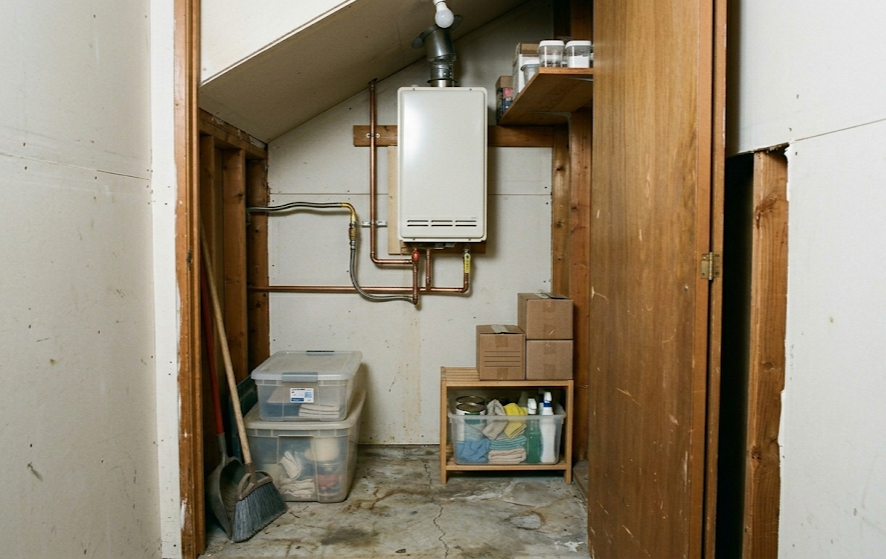
Tankless water heaters are compact and wall-mounted, taking up a fraction of the space of a tank heater. This can be a significant advantage in Ukiah homes where space in utility closets, garages, or crawl spaces is limited. When relocating a water heater out of a crawl space as part of the upgrade, it is also a good time to assess whether sump pump installation would help protect that space from moisture, particularly in older Mendocino County homes with aging drainage infrastructure.
A traditional 50-gallon tank heater occupies a significant footprint, and older homes that weren’t designed with modern appliance sizes in mind sometimes have tight installation situations that make replacement more complex.
The answer depends on your specific situation, but here are some general guidelines:
Choose a tankless water heater if you want lower long-term operating costs, have a smaller or moderate-sized household, plan to stay in the home for many years (allowing time to recoup the higher upfront cost), are renovating and have the opportunity to upgrade gas lines and venting during construction, or want to free up space in a utility room.
Choose a tank water heater if upfront cost is the primary concern, your household has very high simultaneous hot water demand and a large-capacity tank addresses it well, you prefer a simpler system with widely available repair parts, or your home’s current gas and venting infrastructure is well suited to a direct replacement.
Our water heater services team can evaluate your home’s current setup, discuss your usage patterns, and give you a clear recommendation based on your specific situation. We install and service both types throughout Northern California, including in Ukiah, Napa, Healdsburg, and surrounding communities.
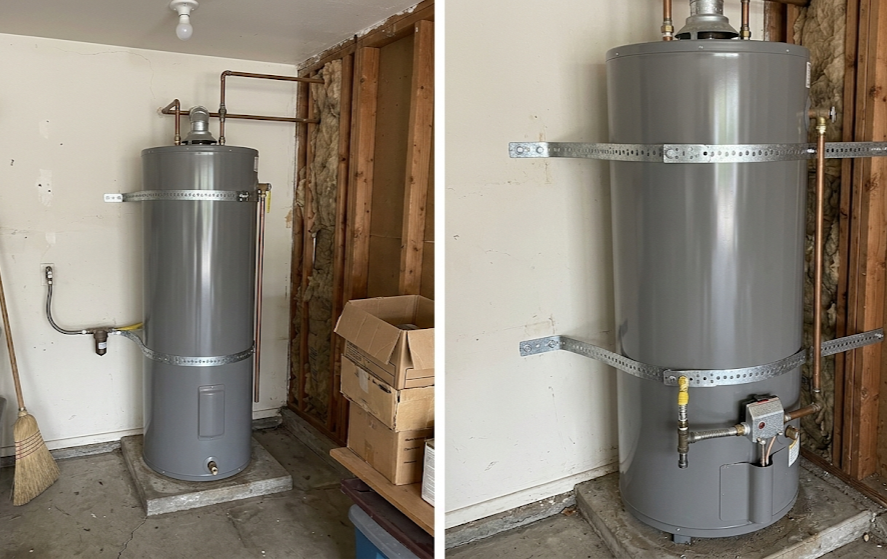
Northern California has specific requirements and considerations for water heater installation. California building code requires water heaters to be seismically strapped to protect against earthquake damage. For tankless units, proper venting (typically through a stainless steel exhaust pipe to the exterior wall) is required.
Gas-fired tankless heaters require an adequate gas supply. Homes with older 1/2-inch gas lines may need an upgrade to 3/4-inch to support the higher BTU demand of a tankless unit.
In areas with hard water, like many parts of Mendocino County, a sediment pre-filter or water softener is strongly recommended with a tankless unit to prevent scale buildup in the heat exchanger.
We handle all of these installation details and code compliance requirements for our Northern California customers, ensuring your new water heater is installed correctly and safely.
Yes. The moderate climate of Northern California is actually ideal for tankless water heaters. Unlike colder climates where incoming water temperature is very low (requiring more energy to heat), NorCal’s relatively mild winters mean incoming groundwater temperatures are moderate, making tankless units more efficient and capable of meeting flow demands.
The payback period varies based on energy usage, local utility rates, and the specific units compared. In Northern California, where energy costs are high, most homeowners with moderate hot water usage can expect to recoup the additional upfront investment within 5 to 10 years through energy savings, with the unit continuing to deliver savings for another decade or more.
Tankless water heater installation involves gas line work, venting modifications, and in some cases electrical upgrades. In California, this work requires licensed contractors for permitted work. Improper installation creates serious safety hazards and can void the manufacturer’s warranty. Professional installation is strongly recommended.
Both types benefit from regular maintenance, but the specifics differ. Tankless units should be descaled annually in hard water areas to prevent mineral buildup in the heat exchanger. Tank heaters benefit from annual flushing to remove sediment and periodic anode rod inspection.
Sizing is based on the maximum flow rate you’ll need simultaneously and the temperature rise required (the difference between incoming water temperature and your desired output temperature). Our team can calculate the right size for your household during a consultation.
If your tank heater is older (8 or more years) and you’re planning to stay in the home long-term, making the switch proactively can be a smart move. You’ll benefit from the efficiency gains sooner and avoid the disruption of an emergency replacement when the old unit eventually fails.
When you’re ready to explore your water heater options, the team at AAA Organized Plumbing is here to help you make the right call. We serve homeowners throughout Northern California, including Ukiah, Napa, and Healdsburg, with expert water heater installation, repair, and replacement. Call us at (707) 200-3159 or contact our team to get started.
AAA Organized Plumbing is a licensed plumbing company serving Ukiah, Mendocino County, and communities throughout Northern California, including Napa, Healdsburg, and the surrounding region. We specialize in water heater installation and service, offering both tank and tankless solutions to fit every home and budget.
Our technicians are experienced, knowledgeable, and committed to helping homeowners make smart, informed decisions about their plumbing systems. Call us at (707) 200-3159 or visit us at 1252 Airport Park Blvd STE A4, Ukiah, CA 95482.
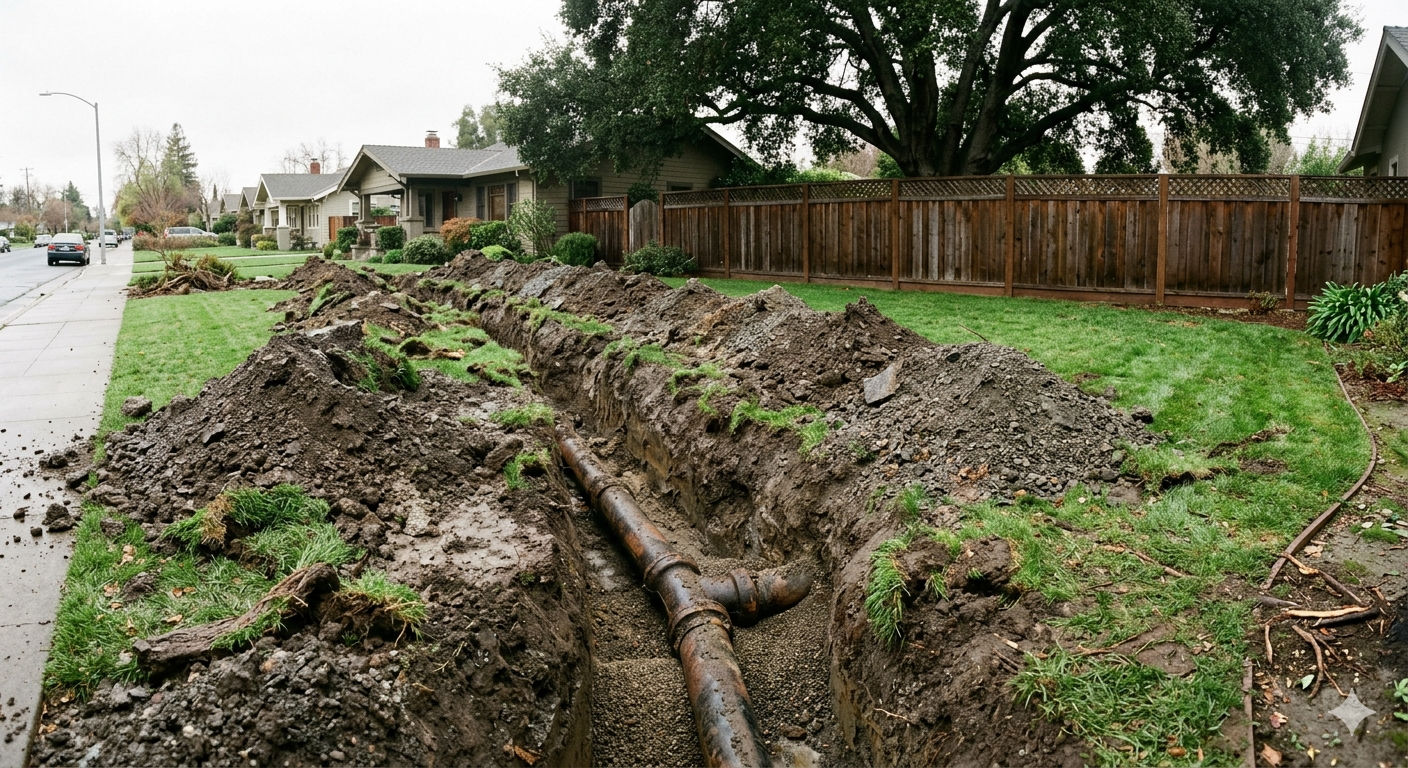
A failing sewer line forces a decision most homeowners are not prepared to make quickly. The pipe is underground, you cannot see it, and two very different repair approaches are on the table. One involves digging a trench across your yard. The other threads a solution through the existing pipe without disturbing the surface above…
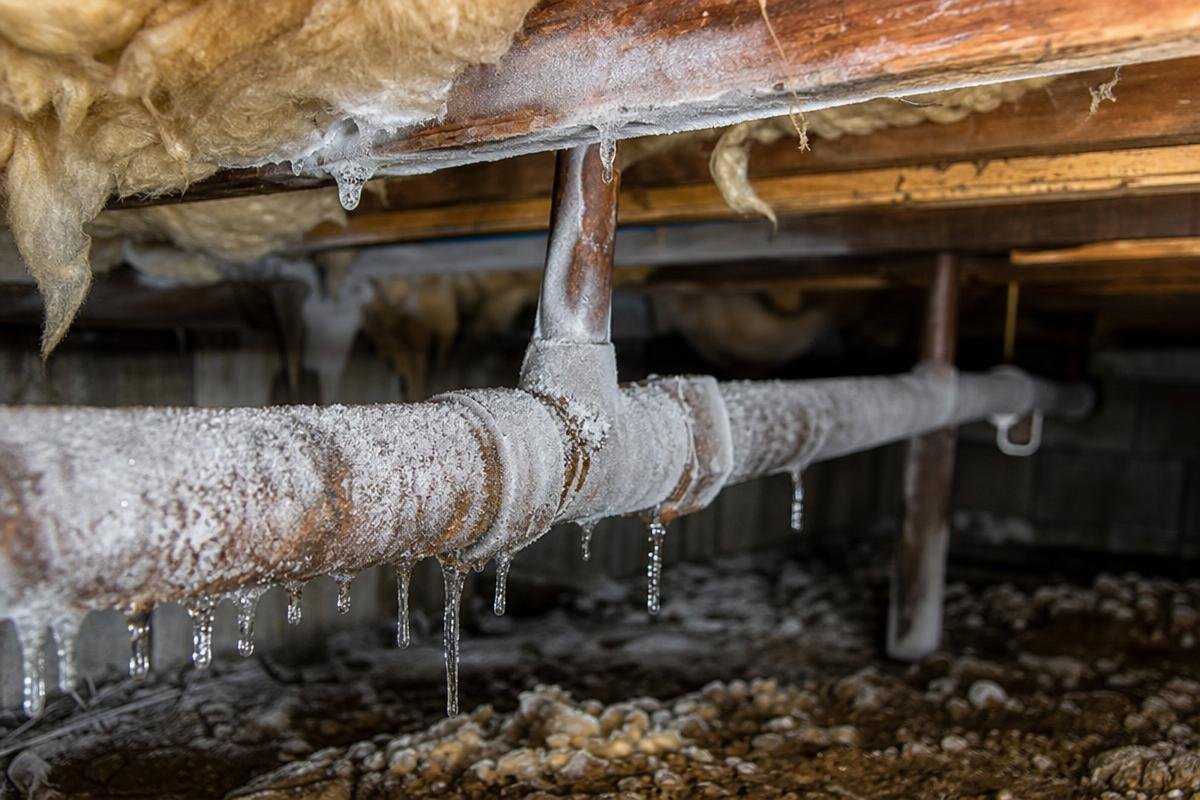
Ukiah winters catch a lot of homeowners off guard. Overnight lows in the upper 20s are common through the heart of winter, and homes built in the mid-20th century often have pipes running through uninsulated crawl spaces and exterior walls with almost no cold protection. Frozen pipes prevention is not complicated, but the mistakes that…
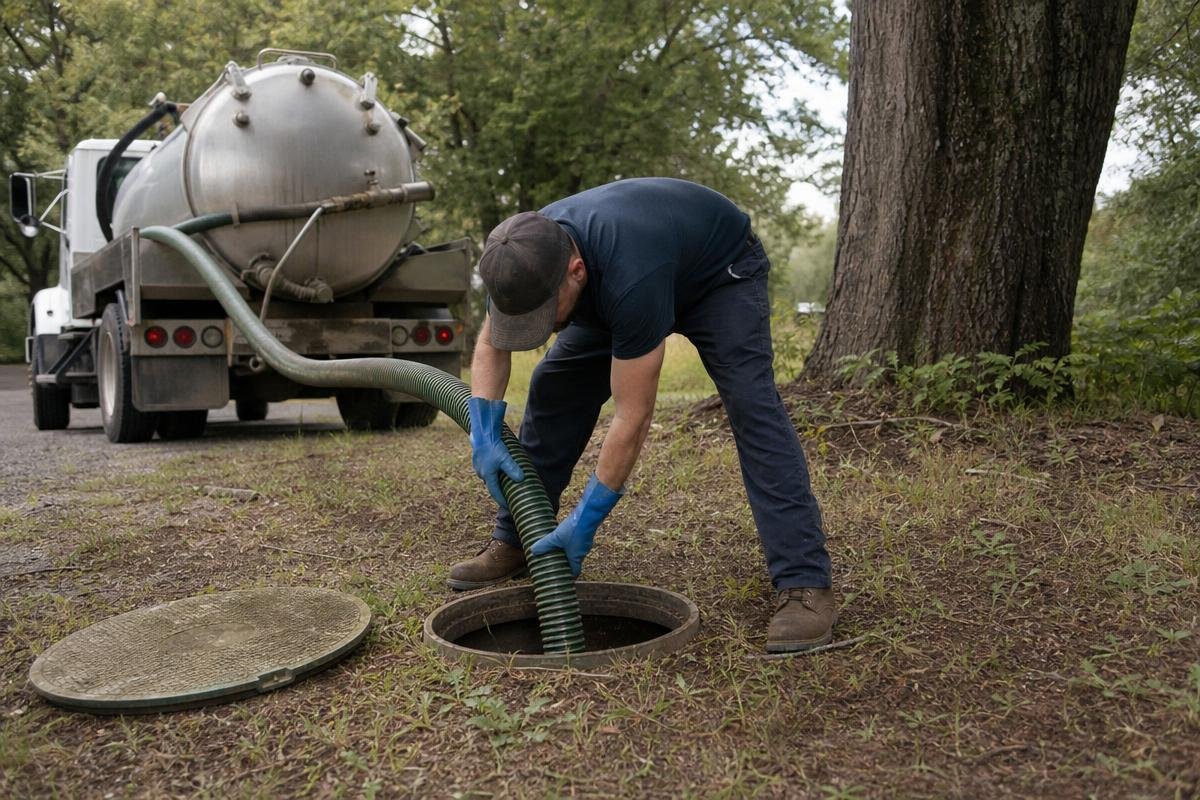
Your septic tank does not send a warning before it backs up. For rural properties in Ukiah and across Mendocino County, knowing the right septic tank pumping frequency is what separates a routine service call from a failed drain field and a repair bill that runs into the thousands. Older septic systems can differ substantially…
