
A failing sewer line forces a decision most homeowners are not prepared to make quickly. The pipe is underground, you cannot see it, and two very different repair approaches are on the table. One involves digging a trench across your yard. The other threads a solution through the existing pipe without disturbing the surface above it. Both can fix the problem. Which one is right for your property depends on the condition of the pipe, what is above it, and what your long-term goals are for the home.
For Northern California homeowners specifically, that decision carries some regional weight. A large share of Mendocino County, Napa Valley, and Sonoma County housing was built before 1970, and those homes almost universally have clay or cast iron sewer laterals that are now well past their designed service life. The region experiences regular seismic activity that stresses underground joints over time. Mature trees, common on wine country and rural properties, send roots toward sewer lines with reliable persistence. And many properties in this area have landscaping, driveways, patios, or hillside terrain where traditional excavation would cause damage that costs nearly as much to restore as the sewer repair itself.
Understanding both methods in practical terms, not just in theory, is the starting point for making the right call.
Traditional sewer repair, sometimes called open trench or dig-and-replace, does exactly what the name describes. A trench is excavated along the length of the damaged sewer lateral, exposing the pipe so it can be accessed, removed, and replaced with a new pipe. Once the new pipe is in place, the trench is backfilled with soil and compacted, and whatever was on the surface, lawn, driveway, concrete, pavers, garden beds, is restored.
The process requires heavy equipment: a backhoe or excavator to dig the trench, a dump truck to haul away excavated soil and demolished pipe, and compaction equipment to backfill the trench properly. On a standard residential sewer lateral running 40 to 60 feet from the home to the street, a traditional replacement typically takes three to seven days from excavation to completed restoration.
The disruption is substantial. A trench running across a landscaped front yard destroys whatever grew above it. A concrete driveway that sits over a sewer lateral requires saw-cutting and removal before the excavation can begin, and patching afterward. A patio, retaining wall, or walkway above the line faces the same fate. For properties where nothing significant sits above the sewer line and the terrain is accessible and flat, traditional excavation is often the most straightforward approach and sometimes the most cost-effective one.
For properties where any of those conditions are not met, the restoration costs that follow the excavation make the full picture look very different.
Trenchless sewer repair is a category of methods that repair or replace a damaged underground pipe by working through small access points rather than excavating the full length of the line. The pipe above ground stays intact. The lawn, driveway, or patio above the sewer lateral is left undisturbed except at the access points, which are typically no larger than a two-foot square opening at each end of the pipe run.
There are two primary trenchless methods, and they address different levels of pipe deterioration. One creates a new structural pipe inside the existing one. The other replaces the existing pipe entirely by fracturing it outward while simultaneously pulling a new pipe into position. Both begin with the same step: a camera inspection of the pipe to assess its current condition and determine which method is appropriate.
Cured-in-place pipe lining, commonly called CIPP or pipe lining, is the trenchless method used when the existing pipe still has structural integrity but is cracked, corroded, suffering from root intrusion, or leaking at joints. It does not require the pipe to be removed. Instead, it creates a new pipe inside the old one.
The process works as follows. The existing pipe is first cleaned thoroughly, typically with hydro jetting, to remove scale, root debris, and any buildup from the interior walls. A flexible liner coated with epoxy resin is then inserted into the pipe and inflated so it presses firmly against the pipe walls. The resin cures over several hours, hardening into a rigid, smooth, seamless tube that bonds to the interior of the original pipe. Once cured, the liner is cut open at the access points and the new pipe is in full service.
The result is effectively a new pipe inside the old one. The interior is smooth and joint-free, which means tree roots have no entry points and flow capacity is restored. The finished liner is rated to last 40 to 50 years under normal conditions. It works on clay, cast iron, concrete, and most other legacy pipe materials, making it particularly well-suited to the older sewer infrastructure common throughout Mendocino County and the North Bay.
Pipe lining is the right choice when the pipe has cracks, joint separation, or root intrusion but has not collapsed. If portions of the pipe wall have eroded away or if the pipe has bellied significantly in multiple locations, lining alone may not be sufficient, and pipe bursting or excavation becomes the more appropriate path. Our trenchless sewer repair services cover both lining and pipe bursting, and the recommendation always follows the camera inspection findings.
Pipe bursting is the trenchless method used when the existing pipe is too deteriorated to serve as a host for a lining, when the pipe has collapsed in sections, or when the homeowner wants to upsize the pipe diameter at the same time as the repair. Unlike lining, which rehabilitates the existing pipe, bursting replaces it entirely.
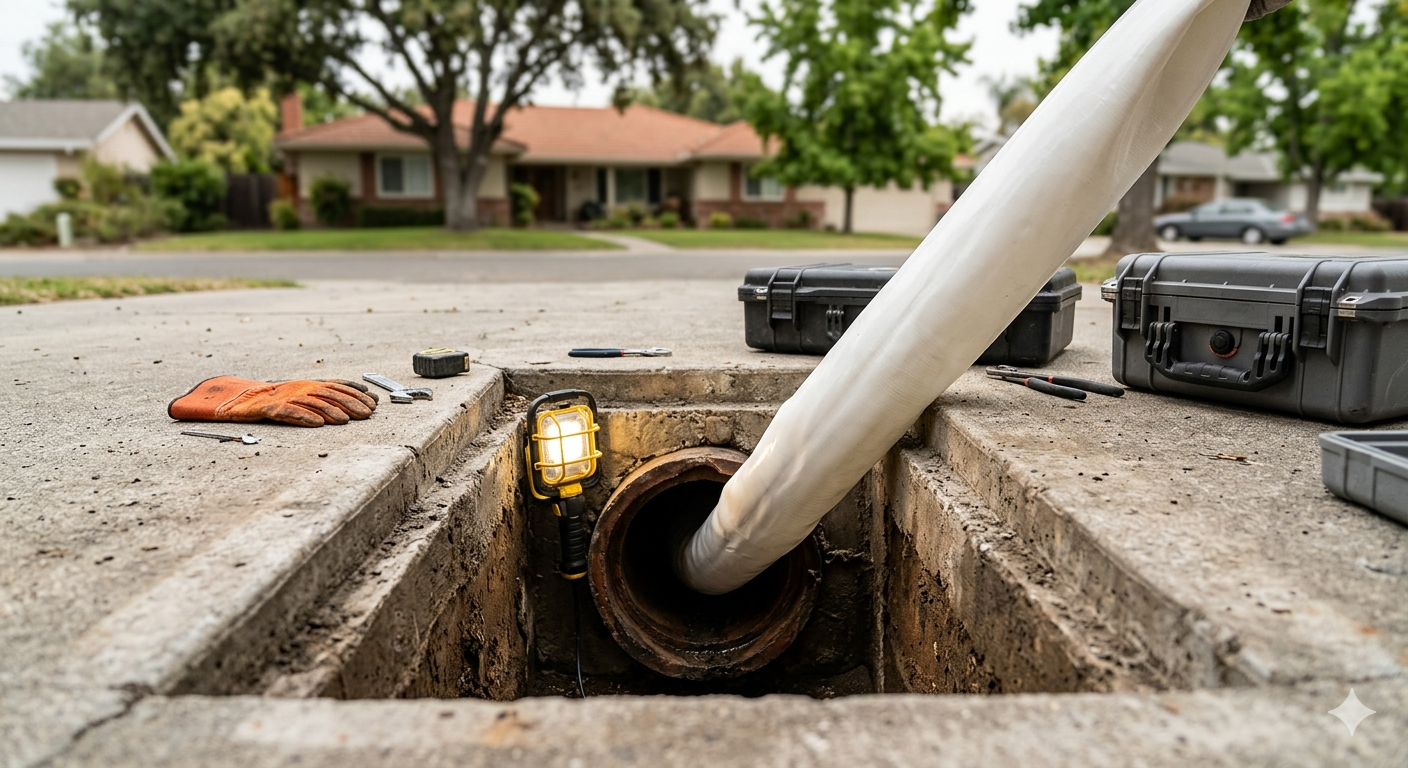
The process requires two small access pits, one at the upstream entry point of the lateral and one at the downstream connection to the municipal main. A hydraulic machine at the downstream end pulls a steel cable and bursting head through the existing pipe. As the bursting head passes through, it fractures the old pipe outward into the surrounding soil, clearing the path. Attached immediately behind the bursting head is a new high-density polyethylene pipe, called HDPE, which is pulled into position as the old pipe is destroyed in front of it.
HDPE is a particularly well-suited replacement material for Northern California properties. It is flexible enough to absorb minor ground movement without cracking, which matters in a seismically active region. It is seamless, eliminating the joint-entry points that tree roots exploit. And it carries a rated service life of 50 to 100 years, making it a genuinely long-term investment rather than a temporary repair.
Pipe bursting is the right choice when camera inspection reveals structural failure, significant collapse, severe bellying, or pipe material so deteriorated that it cannot support a liner. It is also the method used when the existing pipe is undersized and the homeowner wants to take advantage of the replacement to install a larger-diameter line, which pipe lining cannot do since lining slightly reduces interior diameter.
The characteristics of this region create conditions where trenchless repair outperforms traditional excavation in a clear majority of residential sewer lateral projects.
Legacy pipe materials. Most homes built before 1970 throughout Ukiah, Willits, Healdsburg, Napa, and the surrounding communities have clay tile sewer laterals outside the home’s foundation and cast iron drain lines inside. Clay tile is inherently jointed, and those joints are where seismic movement, root intrusion, and normal soil settling cause failure. Orangeburg pipe, made from wood pulp and tar, was used in some residential construction through the early 1960s and is notorious for absorbing moisture and eventually collapsing. Both clay and Orangeburg respond well to pipe bursting. Clay with minor cracking responds well to CIPP lining.
Seismic ground movement. California’s seismic activity does not typically cause dramatic breaks in residential sewer laterals, but it does cause progressive joint damage over decades of minor tremors and ground shifting. Each small movement creates or widens a gap at a pipe joint, and each gap is an invitation for root intrusion and soil infiltration. CIPP lining seals all joints permanently, creating a single continuous pipe with no vulnerability points. This is not just a repair of the existing damage; it eliminates the failure mode entirely for the life of the liner.
Mature trees and landscaped properties. Wine country properties throughout Napa and Sonoma Counties, rural properties in Mendocino County, and established residential neighborhoods in towns like Ukiah and Willits all share significant tree canopies and established landscaping. When tree roots have caused sewer line damage, the instinctive response is sometimes to remove the tree along with the pipe repair. Trenchless methods change that calculation. Pipe lining seals the root entry points and restores the line without requiring the tree to come down. The homeowner keeps the landscaping and resolves the plumbing problem.
Hillside and access-challenged terrain. Northern California’s topography includes hillside properties, sloped lots, and parcels where the sewer lateral runs under a driveway, retaining wall, or dense garden area before reaching the street. For these properties, traditional excavation means destroying what sits above the pipe and rebuilding it afterward. That restoration cost is real, and it makes the true cost of traditional excavation significantly higher than the pipe replacement cost alone.
Our sewer line services team uses camera inspection to assess the pipe condition before any recommendation is made, because the right method depends on what the inspection shows, not on a preference for one technique over another.
The right repair method depends entirely on the pipe’s current condition, the terrain and surface above the sewer lateral, and the specific type of damage identified during a camera inspection.
Properties with intact landscaping, hardscaping, driveways, or patios above the sewer line are typically strong candidates for trenchless repair because the surface above the pipe is preserved. Properties with open, unobstructed terrain may be better served by traditional excavation depending on the pipe’s condition and the nature of the damage.
The pipe material and damage type matter as much as the terrain. Clay or cast iron pipes in Mendocino County wine country homes can often support trenchless lining when the structural integrity remains. A pipe that has collapsed entirely requires a different approach.
Access challenges common to Northern California’s hillside properties, sloped lots, and densely planted wine country estates often make trenchless methods the more practical option, since they do not require heavy excavation equipment to reach the damaged section.
A camera inspection of the actual pipe is the only reliable way to determine which method is appropriate. Without a visual assessment of the pipe’s interior, any recommendation is guesswork.
Trenchless methods are not the correct solution for every failing sewer lateral. There are situations where traditional excavation remains the appropriate recommendation, and a plumber who tells every customer that trenchless is always better is not giving honest advice.
A pipe that has collapsed entirely or has multiple sections that have caved inward may not be passable with a lining or bursting head. If the camera inspection cannot travel the full length of the pipe due to complete obstruction, excavation to access the collapsed section may be the only viable starting point.
A sewer line that needs significant rerouting, because the existing path runs through a structural element, a newer addition, or a problematic section of the property, requires excavation to establish a new path. Trenchless methods follow the route of the existing pipe; they cannot create a new route.
A pipe with severe misalignment, significant bellying, or multiple offset joints where one section has dropped relative to the adjacent one may not respond adequately to lining. A liner installed over a significant belly still has a belly, and standing water in that low section will continue to accumulate and cause problems.
When the terrain above a sewer lateral is genuinely open and accessible, no hardscaping, no significant vegetation, flat ground with easy equipment access, traditional excavation may be the most cost-effective approach even for a pipe in reasonable condition that would support lining. The honest answer depends on the specific property, not on a blanket preference for either method.
Every recommendation here is contingent on one step that cannot be skipped: a camera inspection of the sewer lateral before any repair method is chosen.
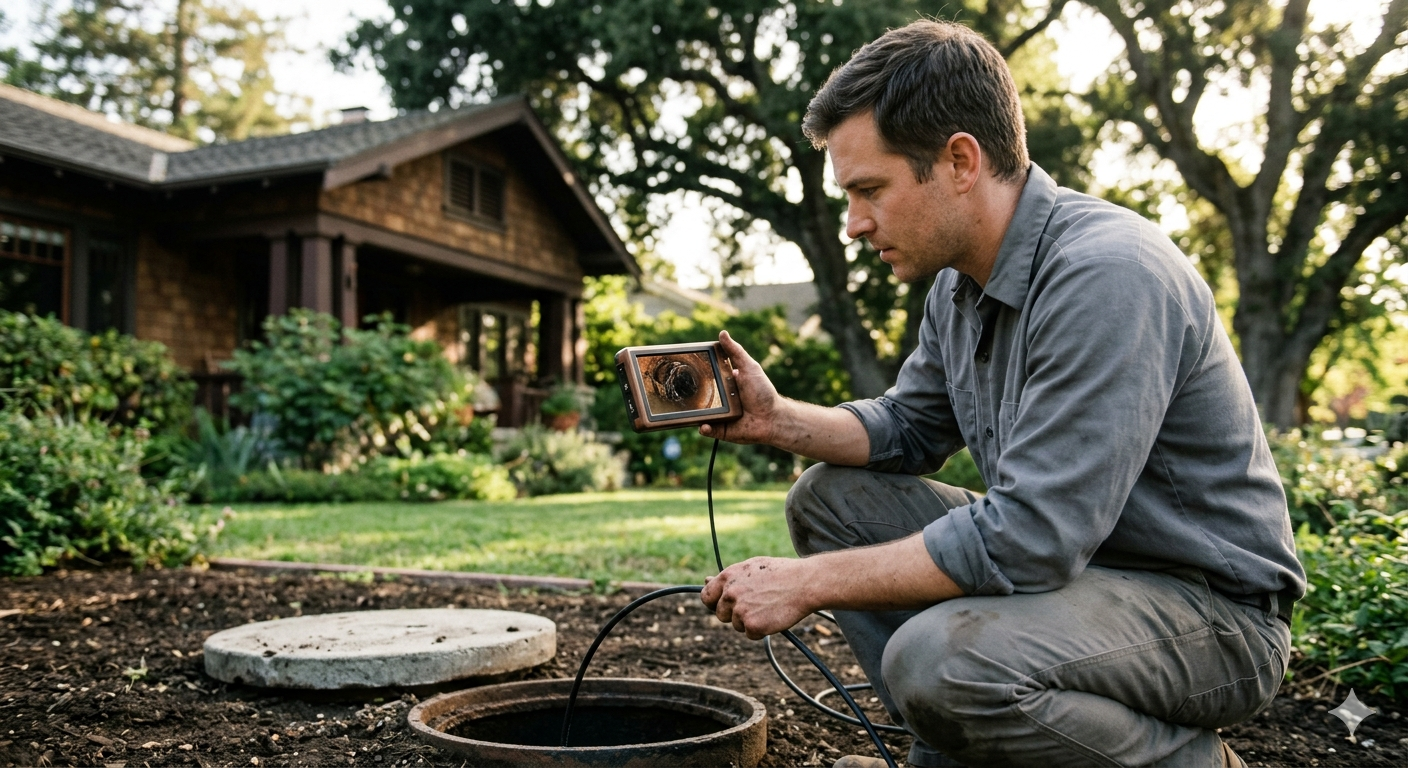
A sewer camera inspection threads a high-definition camera through the pipe from the cleanout access point, providing a real-time view of the pipe’s interior condition. The inspection identifies the type of pipe material, the location and severity of any cracks, the extent of root intrusion, whether any sections have collapsed or bellied, and the condition of the joint where the lateral connects to the municipal main. That information determines which repair method is viable and which is not.
A plumber who recommends trenchless lining without a camera inspection does not know whether the pipe can support a liner. A plumber who recommends excavation without a camera inspection may be proposing a more disruptive and expensive solution than the actual pipe condition requires.
If you are not sure where your sewer cleanout is located, our posts on how to locate your sewer line and how to find your sewer cleanout walk through the process for Ukiah and surrounding properties. If you have noticed any of the symptoms described in our post on signs of a failing sewer line, scheduling a camera inspection is the right next step regardless of which repair method you ultimately choose.
Most residential CIPP lining jobs are completed in one to two days. Pipe bursting on a standard residential lateral typically takes one to two days as well. Traditional excavation on the same lateral, including pipe removal, replacement, backfill, compaction, and surface restoration, typically takes three to seven days and sometimes longer when concrete work is involved. For homeowners who need to maintain normal household function with minimal disruption, the timeline difference is meaningful.
Yes, by a small amount. A standard CIPP liner adds approximately one quarter inch to the pipe wall on all sides, reducing the interior flow diameter slightly. In most residential sewer laterals, this reduction has no measurable effect on function. If your existing lateral is already undersized, pipe bursting, which can install a new pipe of equal or larger diameter, is the more appropriate method.
Clay tile is one of the most common pipe materials in pre-1970 Northern California homes, and it responds well to both trenchless methods when the pipe is in the right condition. Clay with cracking at the joints but intact pipe walls is an ideal candidate for CIPP lining. Clay with collapsed sections or severe structural failure is better suited to pipe bursting. Camera inspection determines which applies to your specific lateral.
Pipe lining and pipe bursting both eliminate the joint entry points that roots exploit. A lined or burst-and-replaced pipe is seamless, meaning roots have no gap to enter through. This does not stop roots from pressing against the exterior of the pipe, but it does prevent them from entering and growing inside it. For properties with significant trees close to the sewer lateral, hydro jetting clears existing root material before lining so the liner seats properly against a clean pipe wall.
Most standard homeowner’s insurance policies do not cover sewer line repair or replacement as a routine maintenance item, regardless of the method used. Coverage may exist for sudden and accidental damage caused by a specific event, but gradual deterioration, root intrusion, and age-related failure are generally excluded. Some policies include optional sewer line endorsements that provide coverage. Check with your insurance provider before assuming coverage applies.
Symptoms that indicate a sewer line problem requiring prompt attention include recurring drain backups across multiple fixtures, gurgling sounds from toilets when other drains are used, sewage odors inside or outside the home, and soggy or unusually lush patches in the lawn above the sewer lateral path. A camera inspection provides a definitive answer. If you have not had one done and your home predates 1980, scheduling a baseline inspection is a worthwhile proactive step regardless of current symptoms. A Ukiah plumber familiar with local housing stock can advise on the inspection findings and appropriate next steps.
If your home is showing signs of sewer line trouble, or if you want a baseline inspection of an older lateral before problems develop, our team is ready to help. We serve homeowners throughout Mendocino County and the broader North Bay region with camera inspection, trenchless sewer repair, and traditional sewer line services.
Contact AAA Organized Plumbing to schedule a camera inspection or discuss your sewer line situation with a licensed plumber.
AAA Organized Plumbing is a licensed plumbing contractor serving Ukiah and communities throughout Mendocino County and the broader Northern California region. From sewer camera inspection and trenchless sewer repair to full sewer line replacement and residential plumbing services, the team brings honest recommendations and the right equipment to every job. When you need a dependable Ukiah plumber who assesses the actual condition of your pipes before recommending a repair method, AAA Organized Plumbing is the call to make.
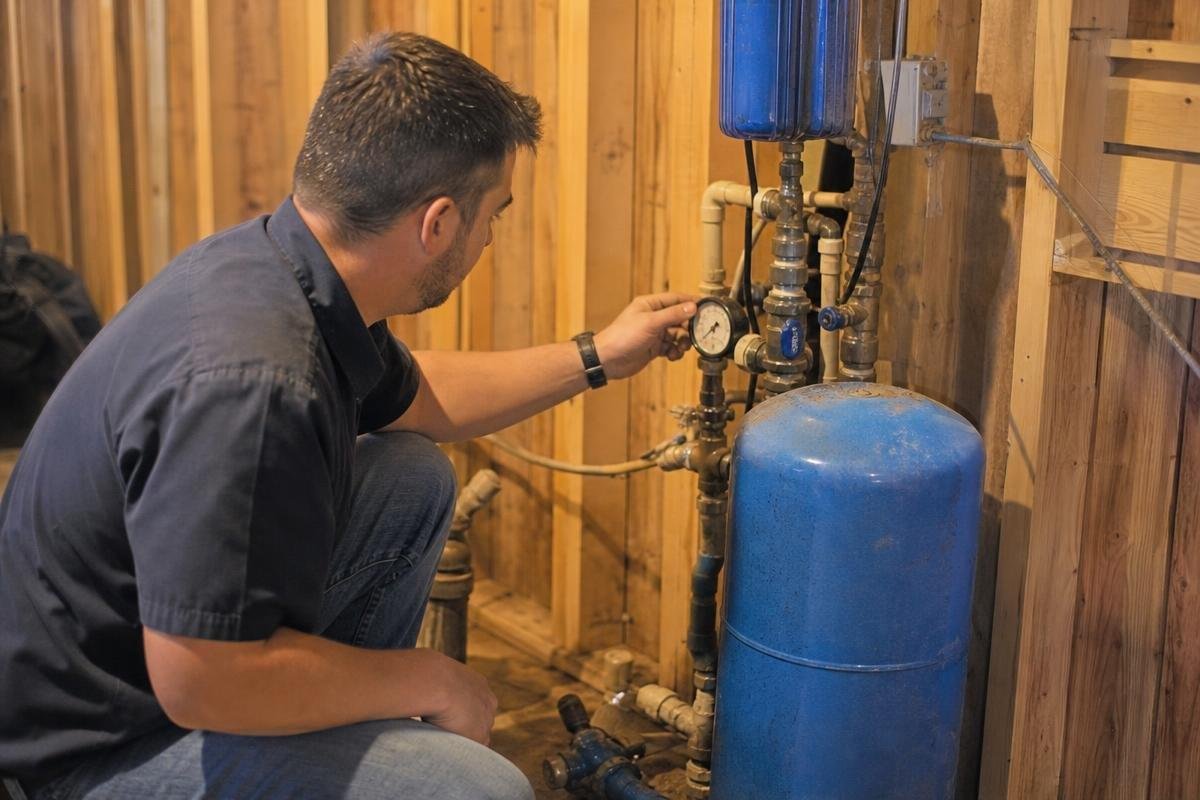
You may need well pump repair in Ukiah when your faucets sputter, the shower loses pressure, or water stops throughout the house. On private well properties in and around Ukiah, including rural areas such as Redwood Valley, these symptoms may involve the well pump, pressure tank, controls, a supply-line leak, or the well’s available water.…
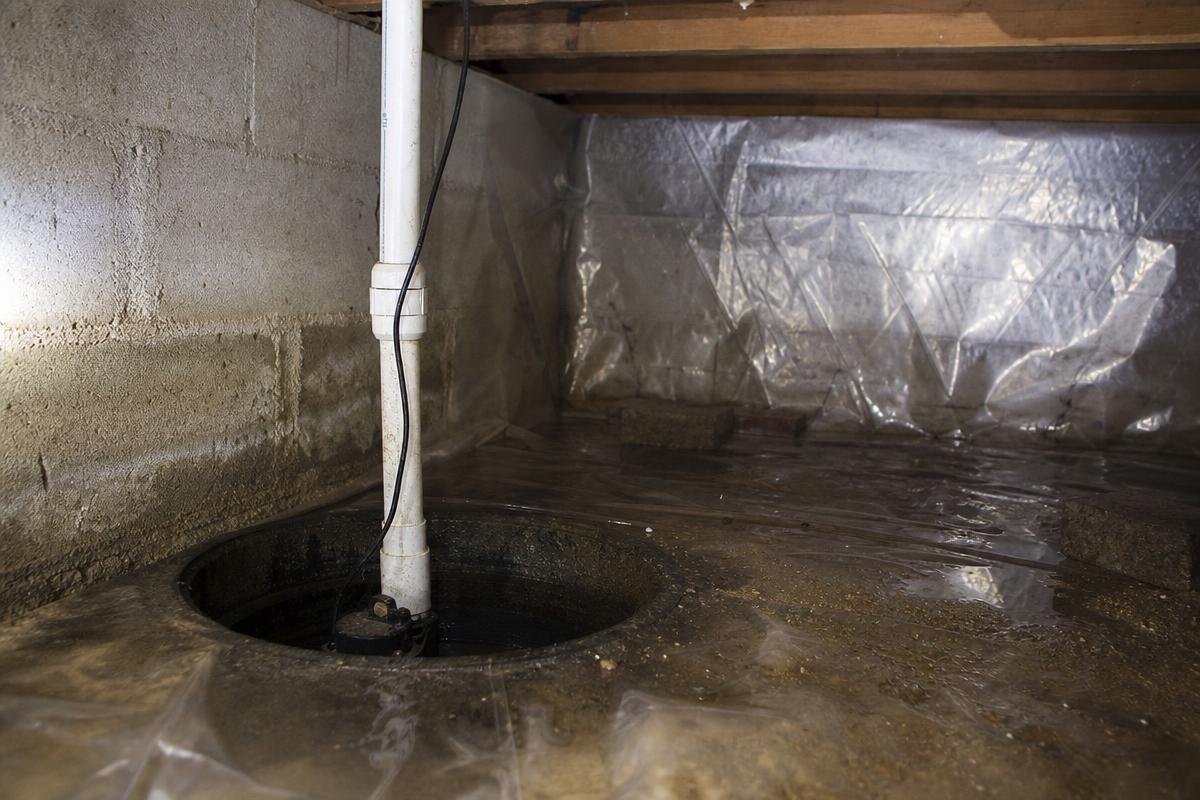
Water stains on a crawl-space wall, a damp smell after hard rain, or water collecting near the foundation can mean you need a sump pump. In Ukiah and nearby Mendocino County communities, winter storms, hillside runoff, valley-floor drainage patterns, irrigation, and downspouts that empty too close to the house can all contribute. AAA Organized Plumbing…
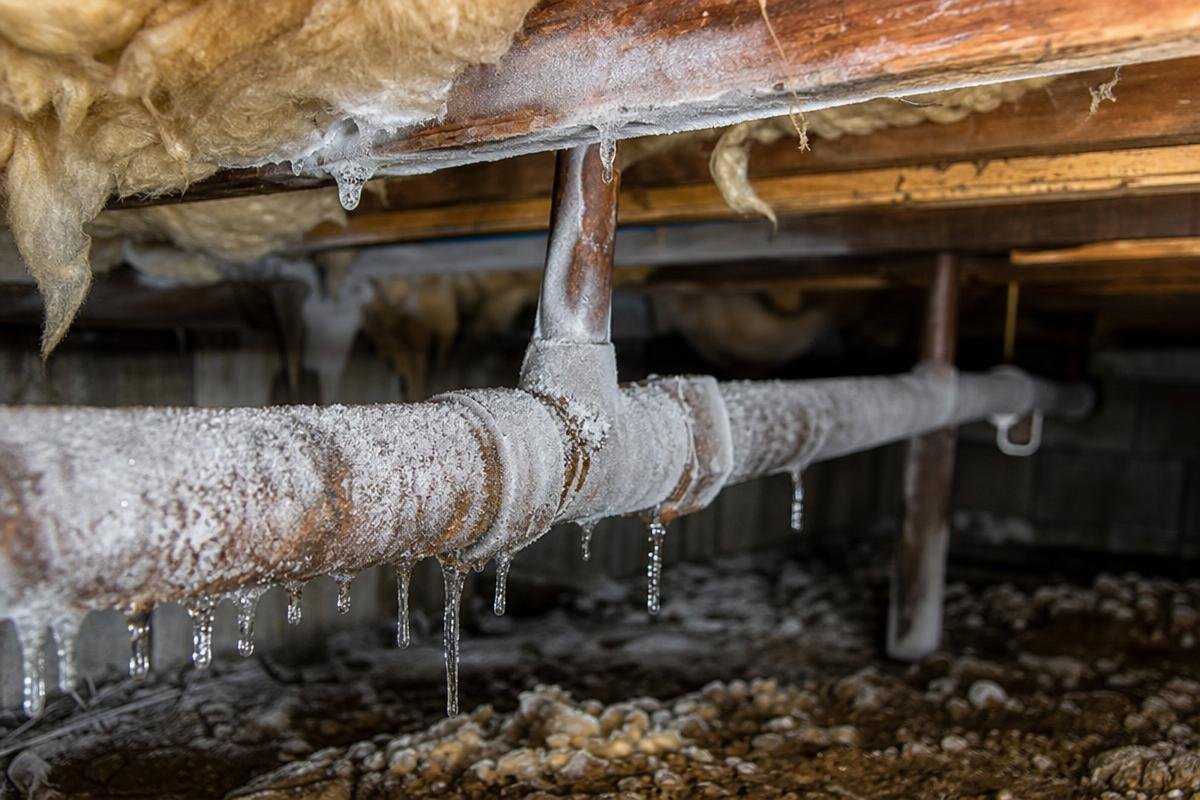
Ukiah winters catch a lot of homeowners off guard. Overnight lows in the upper 20s are common through the heart of winter, and homes built in the mid-20th century often have pipes running through uninsulated crawl spaces and exterior walls with almost no cold protection. Frozen pipes prevention is not complicated, but the mistakes that…
