
Most home emergencies give you time to think. A slow drain, a dripping faucet, a water heater that stops producing hot water; none of those require you to act in the next thirty seconds. A gas leak is different. The decisions you make in the first minute can determine whether everyone gets out safely or whether a spark turns a manageable situation into a catastrophe. Much of Mendocino County‘s housing stock was built before modern flexible gas connectors and seismic shutoff standards existed. Ground movement from earthquakes and soil shifts, routine in this part of the state, stresses gas line joints over time. Aging black iron and steel supply lines corrode gradually and quietly. The result is that gas leaks, both acute and slow, are not rare events in this region. Knowing exactly what to do before one happens is not overcaution. It is basic home safety.
If you smell gas, hear a hiss near a gas line or appliance, or notice any other sign of a leak, treat it as an emergency from that moment. Do not investigate further. Do not try to locate the source. Do not wait to see if the smell gets stronger or fades.
Call 911 and PG&E from outside. Once you are clear of the building, use your cell phone to call 911 and report a suspected gas leak. Then call PG&E’s gas emergency line at 1-800-743-5000, which operates 24 hours a day. Give the dispatcher your address and describe what you smelled or heard. Do not re-enter the building for any reason until the gas utility and fire department have cleared it.
The actions to avoid during a gas leak are just as critical as the steps to take. Any one of these mistakes can convert a safe evacuation into a disaster.
Knowing what a gas leak looks, sounds, smells, and feels like gives you the ability to act before the situation reaches a critical point. Natural gas itself is colorless and odorless, but utility companies add a chemical compound called mercaptan that gives it a distinctive sulfur or rotten egg smell precisely so that leaks can be detected by household occupants.
Smell. The rotten egg or sulfur odor is the most immediate and reliable indicator. Even a faint whiff in an area where gas appliances are present deserves attention. A strong or persistent odor means leave now. Note that some people have a diminished sense of smell due to illness, age, or prolonged exposure. This is called olfactory fatigue, which is one reason gas detectors are valuable as a backup.
Sound. A hissing, whistling, or soft roaring sound near a gas line, appliance connection, or the exterior gas meter is a sign that gas is escaping under pressure through a gap or crack. This sound is most audible in quiet rooms. If you hear it near your water heater, stove, furnace, or dryer, treat it as a confirmed leak until proven otherwise.
Sight. Outside the home, a gas leak from a buried supply line may show up as a patch of dead or dying vegetation in an otherwise healthy yard. Gas displaces oxygen at the root level and kills plants quickly. You may also see dirt being blown in a small area, or water bubbling in a puddle near where a buried line runs. Visible damage to the gas meter or the pipe entering the home is another visual indicator that warrants immediate action.
Physical symptoms. Headaches, dizziness, nausea, fatigue, and difficulty breathing that improve noticeably when you go outside are signs of gas exposure. If multiple people in the household experience these symptoms simultaneously without an obvious cause, and the symptoms ease when you step outdoors, a gas leak is a serious possibility. Pets often show these symptoms before people do. A suddenly lethargic or disoriented animal is worth paying attention to.
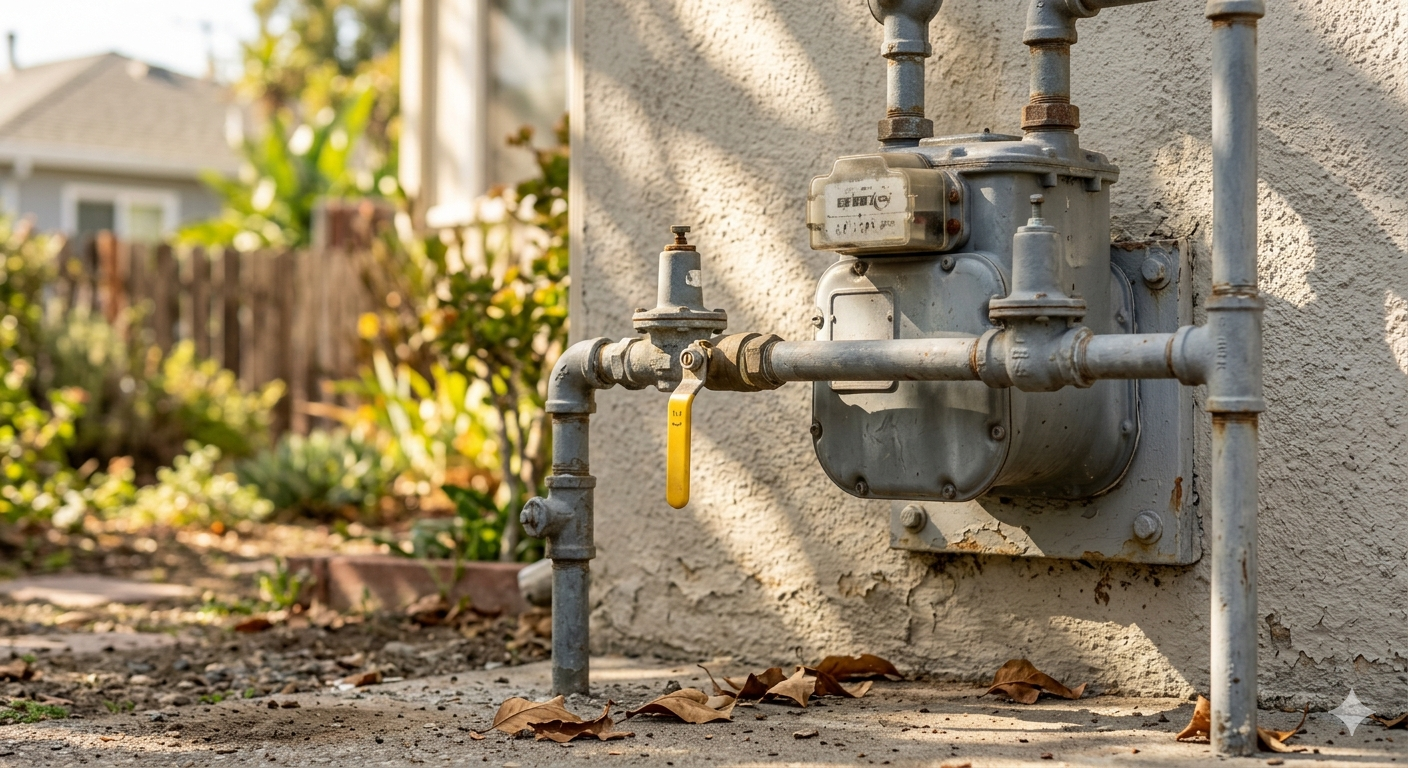
Understanding what causes gas leaks helps you identify when your home may be at elevated risk, even before any symptoms appear.
Aging gas line materials. Many homes in Mendocino County and the surrounding North Bay region were built with black iron or steel gas supply lines that have been in service for 40 to 60 years. These materials corrode over time, particularly where they run underground or through areas with moisture exposure. As the pipe wall thins, small cracks and pinholes develop that allow gas to seep slowly. Homes built before the 1980s with original gas infrastructure are at meaningful risk simply from the age of the materials.
Corroded or loose appliance connections. The connections between your gas supply lines and individual appliances, the stove, water heater, furnace, and dryer, rely on threaded fittings sealed with thread compound and flexible connectors that carry gas the final distance to the appliance. Over years of thermal expansion, vibration, and normal aging, the thread sealant dries and cracks, flexible connectors develop small tears, and fittings loosen slightly. Our water heater services include inspecting the gas connection as part of any service visit, because the flexible connector at a water heater is one of the more common leak sites in residential plumbing.
Seismic ground movement. Northern California experiences ground movement regularly, from minor tremors to more significant seismic events. Buried gas lines and underground joints that are slightly shifted by ground movement may develop gaps at fittings that were previously secure. This is particularly relevant in areas with older clay or sandy soils that shift more readily than consolidated rock.
Renovation and landscaping work. A gas line nicked by a drill bit during a wall repair, or contacted by a shovel during a landscaping project, can produce a slow leak that goes unnoticed for weeks. California law requires homeowners and contractors to call 811 before any digging to have underground utility lines marked, a step that is frequently skipped on small projects and backyard work. Our gas line services team can assess and repair lines that have been damaged during construction or ground work.
Faulty appliance installation. Improperly threaded fittings, connections made without the correct sealant, or flexible connectors that were kinked or stressed during appliance installation can all create leak points. This is one of the stronger arguments for having a licensed plumber perform gas appliance connections rather than a general handyman or the homeowner.
Not every gas leak announces itself with a strong odor and a hissing sound. Slow leaks, small cracks or pinhole failures in fittings, can seep gas gradually at concentrations too low to produce a strong smell but high enough to affect health and safety over time.
These are the signs worth taking seriously even when no acute emergency is present:
Your gas bill has increased noticeably over several billing cycles without a corresponding change in usage or the number of appliances running. Gas that is leaking from the supply line is still metered. You pay for it whether it reaches an appliance or not.
Your gas appliances are underperforming. A stove burner that used to ignite immediately now requires multiple attempts. A furnace that previously heated the home quickly now runs longer cycles. These can indicate that appliance supply pressure has dropped due to gas escaping before it reaches the equipment.
A faint sulfur or rotten egg smell appears occasionally, near a particular appliance, or after the house has been closed up, but never strongly enough to trigger a full evacuation response. Intermittent odors are not a sign that everything is fine. They are a sign that a slow leak is present and conditions are sometimes right for you to detect it.
Houseplants that are well-maintained begin dying without an obvious cause. Plants near gas line runs or appliances may be receiving low-level gas exposure at the root level.
If any of these patterns sound familiar, the right step is a professional inspection, not waiting for the problem to resolve or become more obvious. Our leak repair and emergency plumbing teams handle gas line inspections and can perform pressure testing to confirm whether a slow leak is present anywhere in the system.
Once the fire department and PG&E have confirmed the building is safe to re-enter and the gas has been shut off at the meter, a licensed plumber’s role begins. The utility will not restore gas service until the source of the leak has been identified and repaired by a qualified professional and the repair has been verified.
The plumber will perform a pressure test on the gas supply system, which involves isolating sections of pipe and monitoring whether pressure holds or drops over time. A pressure drop confirms a leak is present in that section. From there, a combination of professional-grade gas detection equipment, electronic sensors sensitive to gas concentrations far below what the human nose can detect, and a soap-and-water bubble test at visible fittings and connections locates the specific source.
Once the leak is found, the plumber determines whether the affected section of pipe or fitting can be repaired or whether replacement is necessary. A cracked fitting or a deteriorated flexible connector is typically replaced with a new approved component. A corroded section of supply line may require replacing a longer run of pipe. In either case, the repair is followed by another pressure test to confirm the system is fully sealed before gas service is restored.
If the inspection reveals that the broader gas supply system has aged to a point where other sections are at risk, our gas line services team can discuss a phased approach to updating the system before additional failures occur.
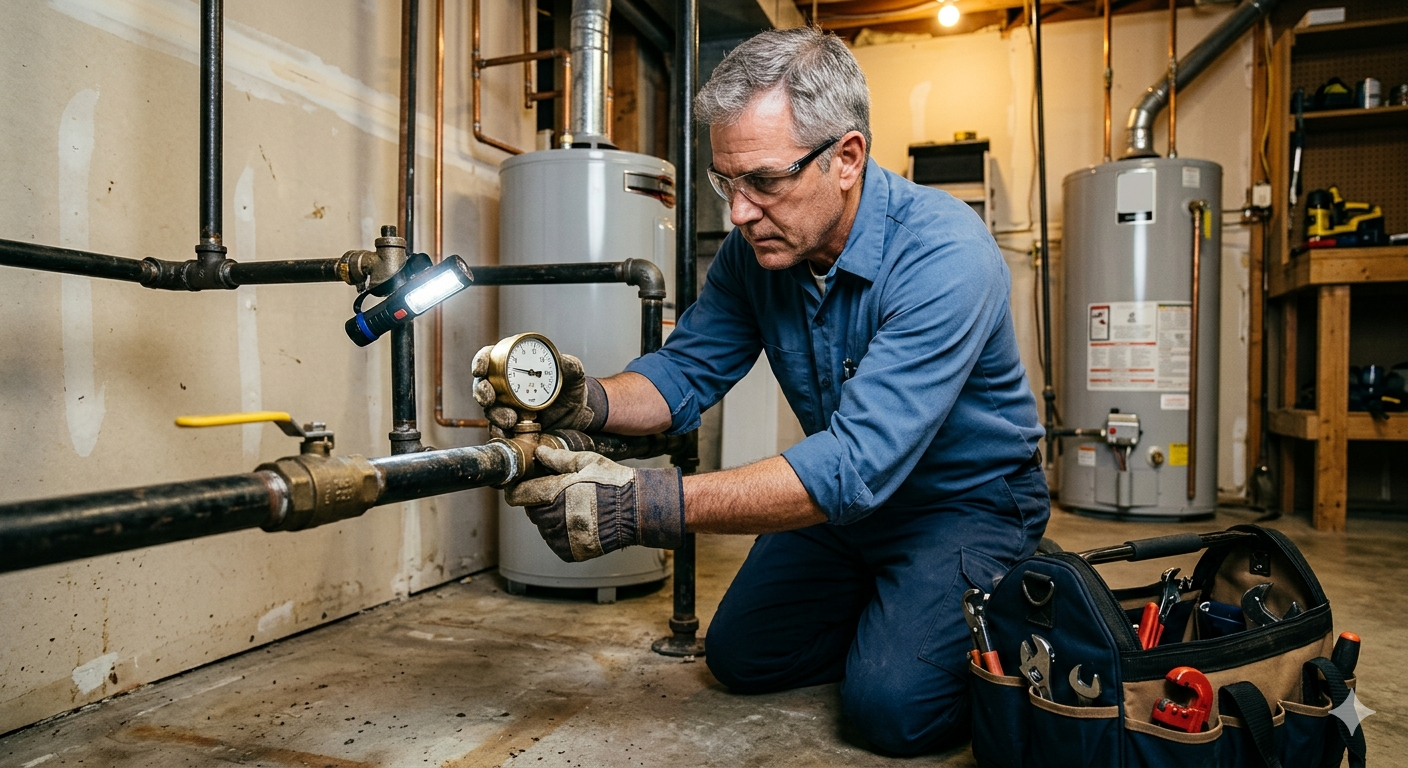
Most gas leaks are preventable with a basic maintenance routine and a few permanent habits.
Know where your gas shutoff is. The main shutoff valve is located on the gas meter, typically on the exterior of your home. Know which direction turns it off, usually a quarter turn so the valve handle is perpendicular to the pipe. A gas utility wrench, which you can purchase for a few dollars at any hardware store, may be needed to operate it. Keep one accessible.
Schedule a gas system inspection every few years. A licensed Ukiah plumber can visually inspect accessible gas lines, check appliance connections, and perform a pressure test to identify slow leaks before they become serious. For homes with older gas infrastructure, every two to three years is a reasonable interval.
Have a licensed plumber make all gas appliance connections. Whenever a stove, water heater, furnace, or dryer is replaced or moved, the gas connection should be made or inspected by a licensed professional. This is not a task for a general contractor, an appliance delivery crew, or a DIY project. Improperly made connections are one of the most consistent causes of slow leaks.
Call 811 before any digging. California’s 811 system dispatches a utility marking crew to identify underground gas, electrical, and water lines before you dig. This applies to fence post holes, garden beds, landscape irrigation projects, and any other ground disturbance, not just major construction. The call is free and the marked lines are valid for a set period.
Install a natural gas detector. Carbon monoxide detectors, which California requires in all single-family homes with gas appliances, do not detect natural gas. A separate natural gas detector, installed near your furnace, water heater, and kitchen stove, provides an independent alert system for slow leaks that might otherwise go undetected. Units are available at most hardware stores at an accessible price point. If you have ever wondered whether your water heater pilot light issue might involve a gas supply concern, our post on relighting your pilot light covers what is normal and what warrants a call to a professional.
Keep the area around your gas meter and appliance connections clear. Stored items, overgrown landscaping, and debris around the gas meter make it harder to spot visible signs of a problem and harder for the utility or a plumber to access the shutoff quickly in an emergency.
The main gas shutoff is located at your meter, on the street-side pipe entering the meter. Using a gas utility wrench or an adjustable wrench, turn the valve a quarter turn so the handle is perpendicular to the pipe; that position is off. Do this only if you can do so quickly and safely without going back inside the building. Once the gas is off at the meter, do not attempt to turn it back on yourself. Gas restoration after a shutoff requires a professional to inspect the system and confirm everything is safe before service is restored.
No. Carbon monoxide detectors respond to CO, a combustion byproduct, not to natural gas itself. These are different hazards requiring different detection technology. A natural gas detector uses a sensor specifically calibrated for methane or propane concentrations. For full coverage, both types of detectors are worth having: a carbon monoxide detector on each occupied floor as California law requires, and a natural gas detector near each major gas appliance.
It depends on the size of the leak, the ventilation available, and the layout of the home. With doors and windows open and the gas supply shut off, a moderately sized space may clear within 15 to 30 minutes. Basement areas, crawl spaces, and enclosed utility rooms clear more slowly because gas behavior varies with temperature and concentration. The only reliable answer is the reading from a professional gas detection instrument. Do not make a judgment call based on the smell fading.
A sudden unexplained increase in gas usage is one of the subtler indicators of a slow leak. Before calling a plumber, rule out the obvious: a recent cold snap that increased heating demand, a new appliance, or a guest staying in the home. If none of those explain the increase, a professional pressure test of your gas system is the appropriate next step. Our gas line inspection and repair include this type of diagnostic inspection.
Not necessarily. Natural gas can migrate through shared walls, crawl spaces, and utility chases into adjacent units. If emergency responders are evacuating one unit in a duplex, apartment building, or closely spaced home, treat the adjacent spaces as potentially affected until responders clear them. Follow the instructions of the fire department on scene, as they have the detection equipment to assess the actual spread of gas.
No. Once the gas has been shut off at the meter by the utility or emergency responders, restoration requires a PG&E representative or licensed plumber to inspect the system, confirm the repair is complete, check that all pilot lights and appliances are in a safe state, and restore service in a controlled sequence. Attempting to restore gas service yourself risks re-igniting an appliance that is in an unsafe state or missing a secondary leak point that the repair did not address.
If you have experienced a gas leak, noticed any of the slow-leak warning signs, or simply want a professional inspection of your home’s gas supply system, our team is ready to help. We serve homeowners throughout Mendocino County and the broader Northern California region with licensed gas line inspection, repair, and replacement.
Contact AAA Organized Plumbing to schedule a gas line inspection or speak with a licensed plumber about your concerns.
AAA Organized Plumbing is a licensed plumbing contractor serving Ukiah and communities throughout Mendocino County and the broader Northern California region. From gas line inspection and repair to full residential plumbing services, the team brings certified expertise and a commitment to safety to every job. When something feels wrong with your home’s gas system and you need a dependable Ukiah plumber who responds quickly and works to the highest safety standards, AAA Organized Plumbing is the call to make.
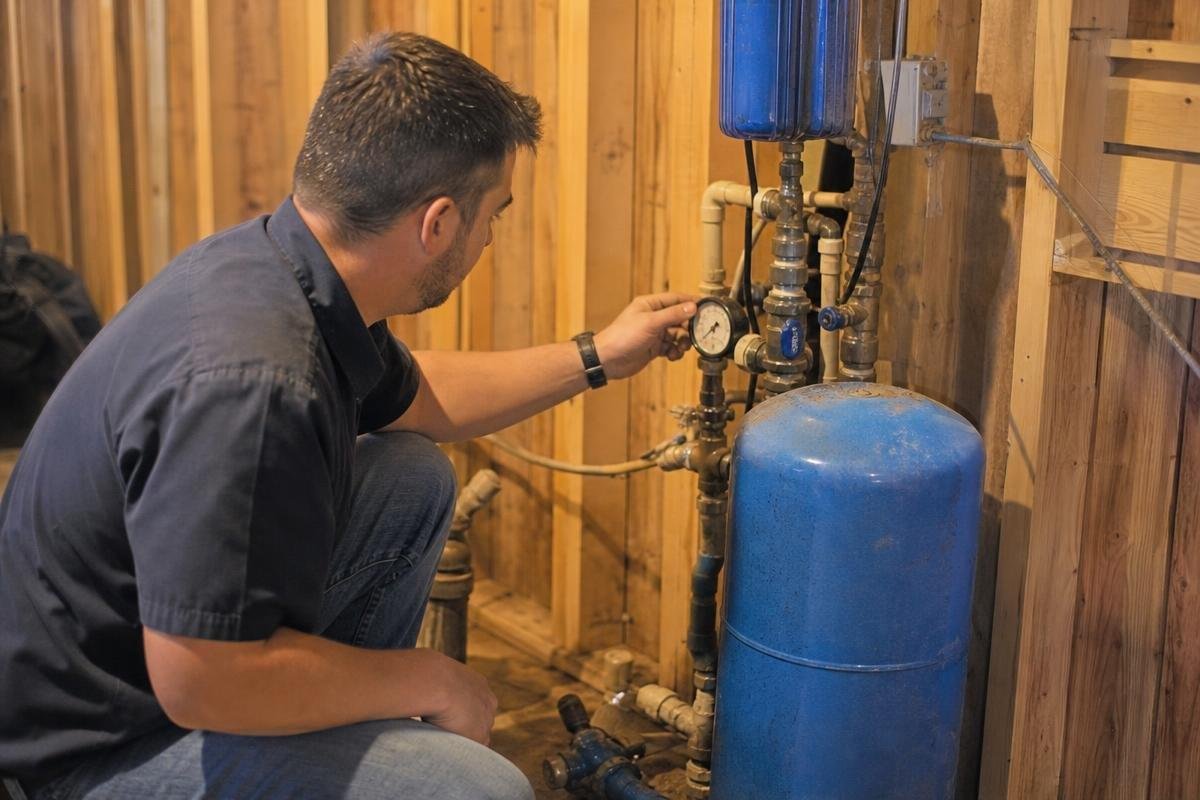
You may need well pump repair in Ukiah when your faucets sputter, the shower loses pressure, or water stops throughout the house. On private well properties in and around Ukiah, including rural areas such as Redwood Valley, these symptoms may involve the well pump, pressure tank, controls, a supply-line leak, or the well’s available water.…
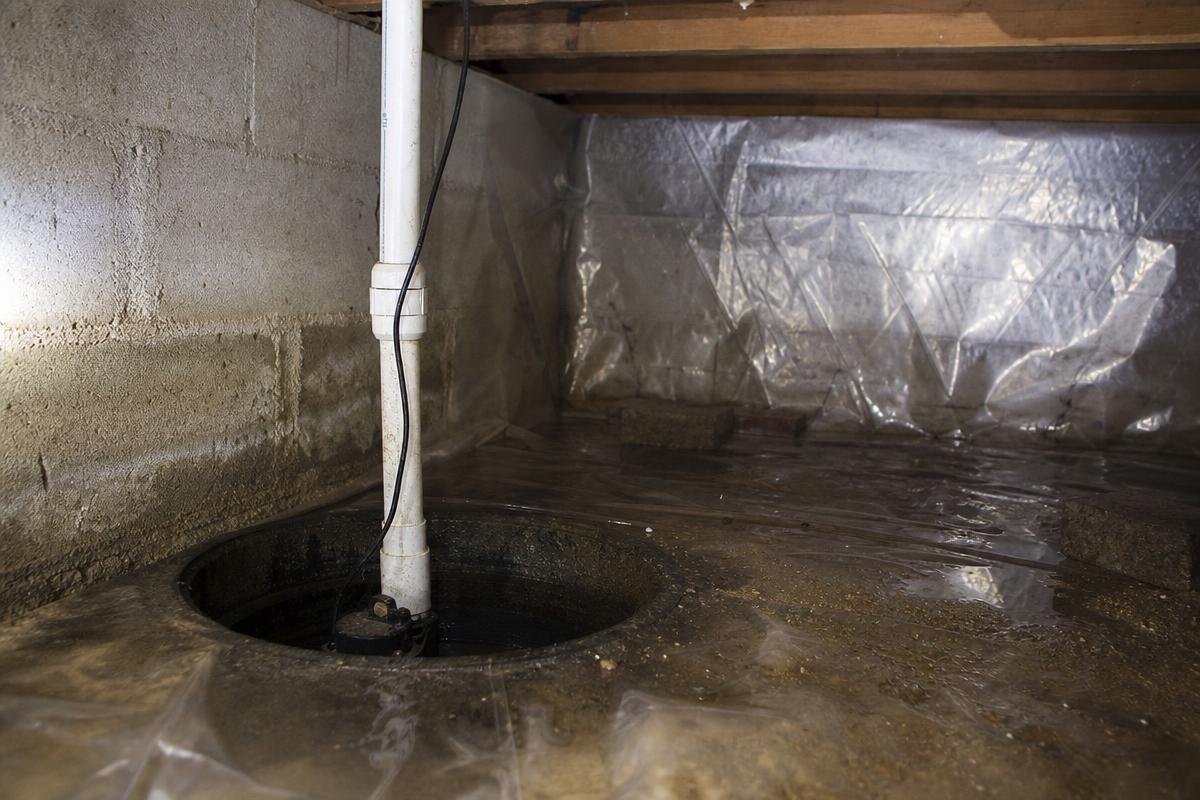
Water stains on a crawl-space wall, a damp smell after hard rain, or water collecting near the foundation can mean you need a sump pump. In Ukiah and nearby Mendocino County communities, winter storms, hillside runoff, valley-floor drainage patterns, irrigation, and downspouts that empty too close to the house can all contribute. AAA Organized Plumbing…
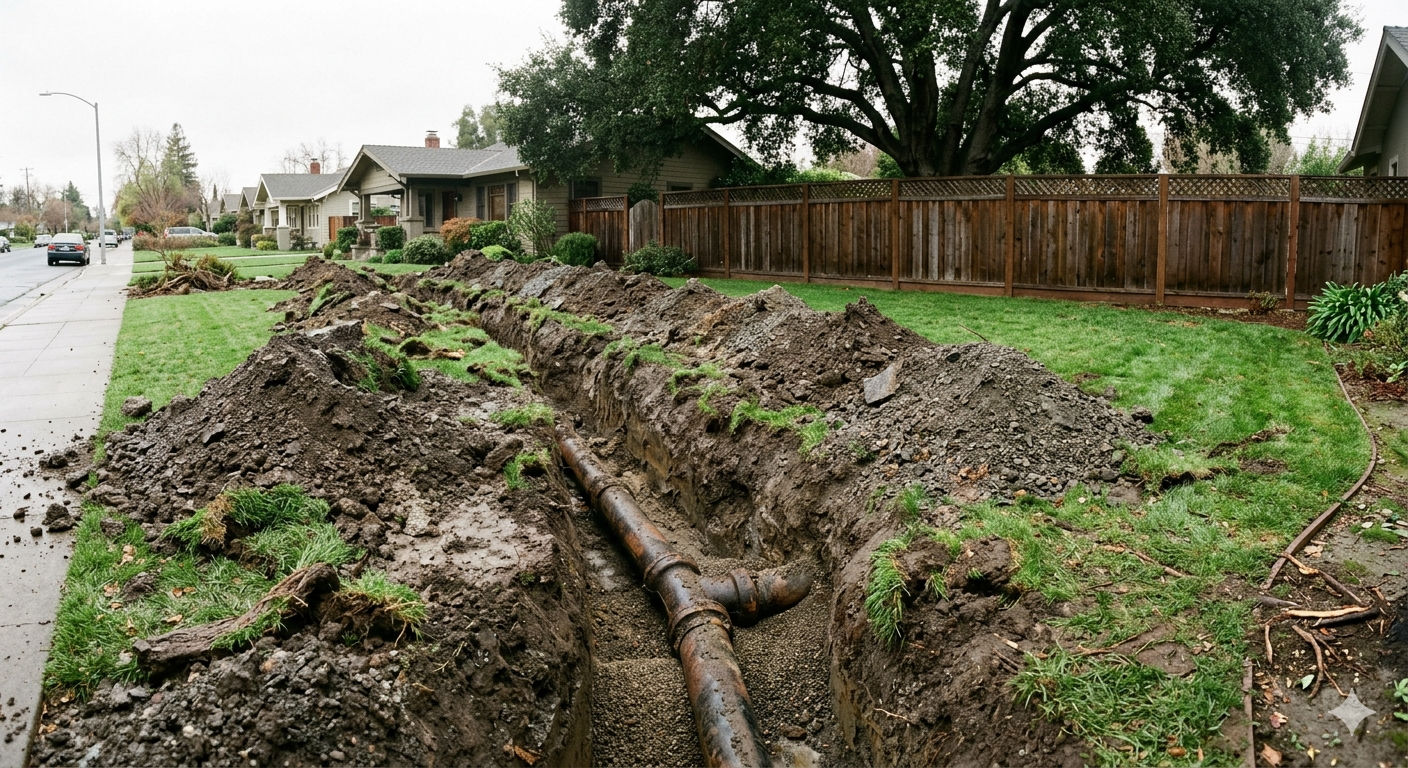
A failing sewer line forces a decision most homeowners are not prepared to make quickly. The pipe is underground, you cannot see it, and two very different repair approaches are on the table. One involves digging a trench across your yard. The other threads a solution through the existing pipe without disturbing the surface above…
