
A puddle of water around your toilet base can quickly turn from a minor annoyance into a homeowner’s nightmare. If you’re dealing with water seeping from the bottom of your toilet, you’re not alone. This common plumbing issue affects thousands of Ukiah residents each year, especially in homes with older fixtures or those exposed to seasonal temperature fluctuations.
The good news is that many toilet leaks from the bottom can be diagnosed and resolved without calling a professional plumber right away. However, knowing when to tackle the repair yourself versus when to call for professional plumbing help can save you both time and costly water damage.
In this comprehensive guide, we’ll walk you through the most common causes of bottom toilet leaks, provide step-by-step troubleshooting methods, and help you determine the best course of action for your situation.
From simple wax ring replacements to more complex flange repairs, we’ll cover everything Ukiah homeowners need to know about fixing toilet leaks promptly and effectively. You’ll also learn prevention tips to avoid future leaks and protect your bathroom flooring from long-term water damage.
Understanding why your toilet is leaking from the bottom starts with identifying the root cause. The most frequent culprit is a deteriorated wax ring, which creates the watertight seal between your toilet and the floor flange. Over time, this wax ring can dry out, crack, or shift, allowing water to escape during each flush.
Temperature changes, common in Ukiah’s climate, can accelerate wax ring deterioration. The constant expansion and contraction of materials causes the seal to lose integrity, particularly in bathrooms without consistent heating or cooling. According to plumbing industry data from 2024, approximately 60% of toilet bottom leaks stem from wax ring failure.
Another common cause involves loose toilet bolts that secure the fixture to the floor. When these bolts become loose, the toilet can rock slightly with use, gradually breaking the wax ring seal. This movement creates small gaps that allow water to seep out around the base, often appearing as puddles after each flush.
Flange problems represent a more serious underlying issue. If your toilet flange is cracked, corroded, or sitting at the wrong height, it cannot properly support the wax ring seal. Older homes in Ukiah may have cast iron flanges that corrode over time, while newer homes sometimes experience plastic flange cracks caused by improper installation or excess weight. In these cases, scheduling professional toilet repair services ensures the root cause is fixed before major water damage occurs.
When you see water pooling around your toilet, it doesn’t always mean the wax ring is to blame. Leaks can come from multiple sources, and identifying the origin early helps prevent unnecessary repairs. Taking a few minutes to run these simple tests can save you time, money, and frustration.
Before diving into repairs, it’s important to confirm where the leak is coming from. These quick checks can help Ukiah homeowners narrow down the problem:
Professional plumbers at AAA Organized Plumbing recommend also documenting when leaks occur most often. Some leaks only appear during heavy use, while others create constant seepage. Sharing this information with a toilet repair specialist helps determine whether you’re dealing with a minor seal issue or a serious structural problem.
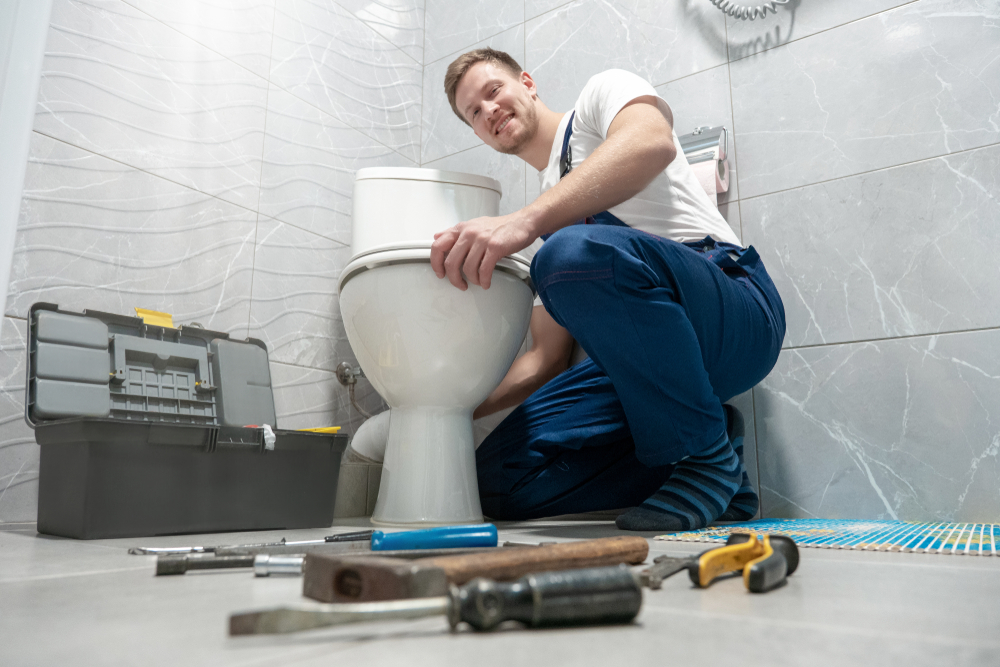
Before repairing a toilet leak from the bottom, make sure you have the right tools and materials on hand. Having everything ready before you start prevents delays and makes the repair process smoother. Most of these items are available at hardware stores in Ukiah, while specialty parts can be found online or at plumbing supply shops.
The type of wax ring depends on your toilet and flange configuration. Standard wax rings fit most installations, while extra-thick rings work for setups with slight height variations. Some newer rubber seals claim longer-lasting performance, but traditional wax rings are still the most widely recommended by professional plumbers.Consider purchasing a toilet repair kit that includes multiple components. This ensures you have backup parts if unexpected issues arise. Quality materials usually cost $15–30 for a complete repair, making this an affordable DIY project for most Ukiah homeowners. If you’d prefer a professional to handle the repair and guarantee long-lasting results, AAA Organized Plumbing is just a call away.
Fixing a toilet leak from the bottom may sound intimidating, but most Ukiah homeowners can handle it with the right tools, materials, and preparation. Taking the time to do each step carefully ensures that the repair lasts and prevents costly bathroom plumbing issues down the line.
Completing these steps carefully should restore a watertight seal and stop leaks at the toilet base. Once the toilet is reinstalled, reconnect the supply line, turn the water back on, and flush several times to confirm the repair was successful.
While many toilet bottom leaks can be resolved through DIY methods, certain situations require professional plumbing expertise to prevent costly damage or ensure proper repairs. Recognizing these scenarios early can save you significant time and money in the long run.
If you discover soft or rotted flooring around your toilet base, stop your repair immediately and contact a professional. This indicates prolonged water exposure that may have compromised your subfloor structure, requiring specialized repair techniques and materials beyond typical homeowner capabilities.
Flange replacement or repair typically necessitates professional service, especially if you’re dealing with cast iron flanges or concrete floors. These jobs often involve cutting into flooring materials and may require specialized tools and permits under local Ukiah plumbing services.
Multiple failed DIY attempts suggest an underlying issue that requires professional diagnosis.AAA Organized Plumbing has encountered numerous cases where homeowners created additional problems by repeatedly attempting the same unsuccessful repair approach instead of addressing root causes.Finally, consider professional help if your toilet leak coincides with other plumbing issues throughout your home. This could point to a larger problem requiring full sewer service in Ukiah and a comprehensive evaluation beyond individual fixture maintenance.
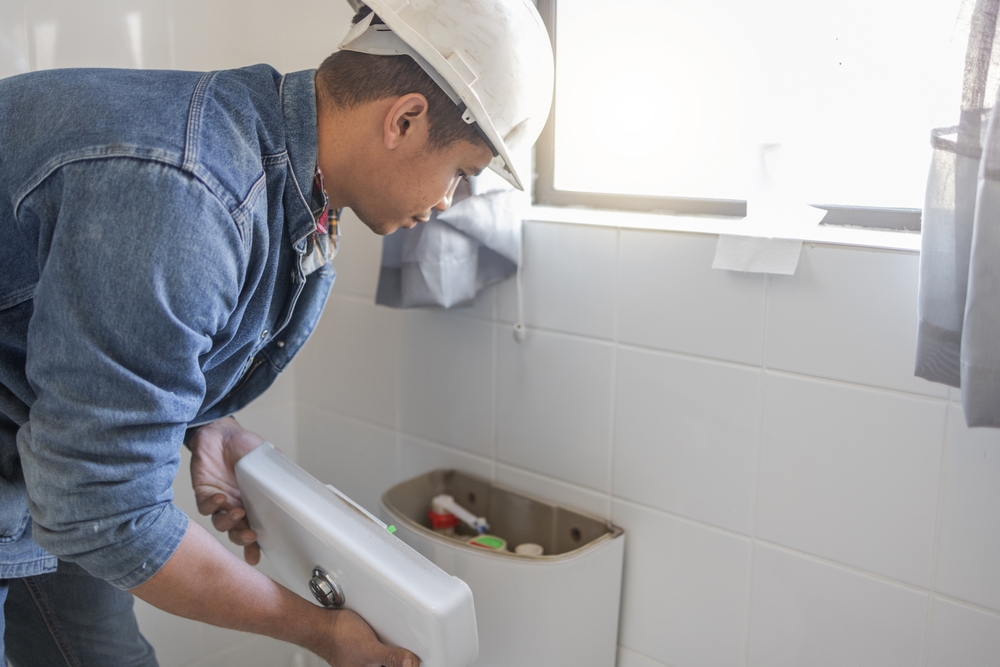
Preventing toilet bottom leaks starts with regular maintenance and monitoring that most homeowners can easily incorporate into their routine home care practices. Simple monthly checks can identify potential issues before they develop into costly bathroom plumbing repairs.
Inspect your toilet monthly for any signs of movement, unusual sounds, or water around the base. Address loose bolts immediately by tightening them gently, remember that over-tightening can crack the toilet base or compress the wax ring unevenly.
Monitor your home’s humidity levels, especially during Ukiah’s varied seasonal conditions. Excessive moisture can accelerate wax ring deterioration and contribute to flange corrosion over time. Proper bathroom ventilation through exhaust fans or windows helps maintain optimal conditions for plumbing fixtures.
Replace wax rings proactively every 20–30 years, even if you haven’t noticed leaks. This preventive approach costs significantly less than addressing water damage caused by sudden seal failure. Professional plumbers often recommend this timeline for homes with standard usage patterns.
Avoid using your toilet as a step stool or placing excessive weight on the tank or bowl. These practices can shift the toilet position gradually, compromising the wax ring seal over time. Educate family members about proper toilet use to extend fixture life and prevent premature seal failure.Understanding related toilet issues can also help maintain your bathroom’s overall functionality. Problems like toilets backing up or tank refilling problems often coincide with seal failures and should be addressed promptly to prevent complications.
Any visible water around your toilet base should be addressed within 24-48 hours to prevent floor damage. If you notice soft spots in the flooring, discoloration, or musty odors, treat this as an emergency requiring immediate professional attention. Continuous leaking can cause thousands of dollars in structural damage within weeks.
Yes, you can temporarily reduce leaking by carefully tightening the toilet bolts at the base. Turn off water supply to the toilet and place towels around the base to catch any remaining drips. This is only a short-term solution – permanent repairs should be completed within a few days to prevent ongoing damage.
Most homeowners can complete a wax ring replacement in 2-4 hours, including preparation and cleanup time. This assumes you have all necessary tools and materials ready, plus basic plumbing knowledge. First-time repairs may take longer, especially if you encounter unexpected complications like corroded bolts or flange issues.
A wax ring with flange includes a plastic or rubber funnel that helps direct waste into the drain pipe and provides additional stability. These are recommended for toilets installed on concrete floors or situations where the existing flange sits below floor level. Standard wax rings work for most installations where the flange is level with or slightly above the finished floor.
Most plumbing professionals recommend leaving a small gap at the back of the toilet base without caulk. This allows any future leaks to be visible rather than trapped under the toilet where they can cause hidden damage. You can caulk the front and sides for aesthetic purposes, but always leave the back section open for leak detection.
Addressing a toilet leak from the bottom doesn’t have to be an overwhelming challenge for Ukiah homeowners. By understanding the common causes, following proper diagnostic steps, and using the right tools and techniques, many of these repairs can be completed successfully as DIY projects. Remember that prompt action prevents costly water damage and sewer repairs, while regular maintenance helps avoid future issues altogether. If you’re dealing with a toilet leak in Ukiah, our leak repair team is available same-day when you call us at (707) 200-3159. If you encounter complications beyond your comfort level or discover signs of structural damage, don’t hesitate to contact AAA Organized Plumbing for expert assistance and long-term peace of mind.
AAA Organized Plumbing specializes in comprehensive residential and commercial plumbing services with over 15 years of experience serving Ukiah and the surrounding North Bay area. Our team of licensed professionals combines technical expertise with local knowledge to deliver reliable solutions for everything from simple clogs to complex sewer line issues.
We provide expert services including:
We pride ourselves on transparent pricing, prompt response times, long-lasting repairs that address root causes, not just symptoms, and preventive maintenance programs that help clients avoid costly emergency repairs. Our comprehensive approach has already helped over 5,000 residential and commercial clients maintain efficient plumbing systems in Ukiah and beyond. Contact AAA Organized Plumbing today at (707) 200-3159 to discuss how our plumbing expertise can help you maintain a trouble-free bathroom and plumbing system.
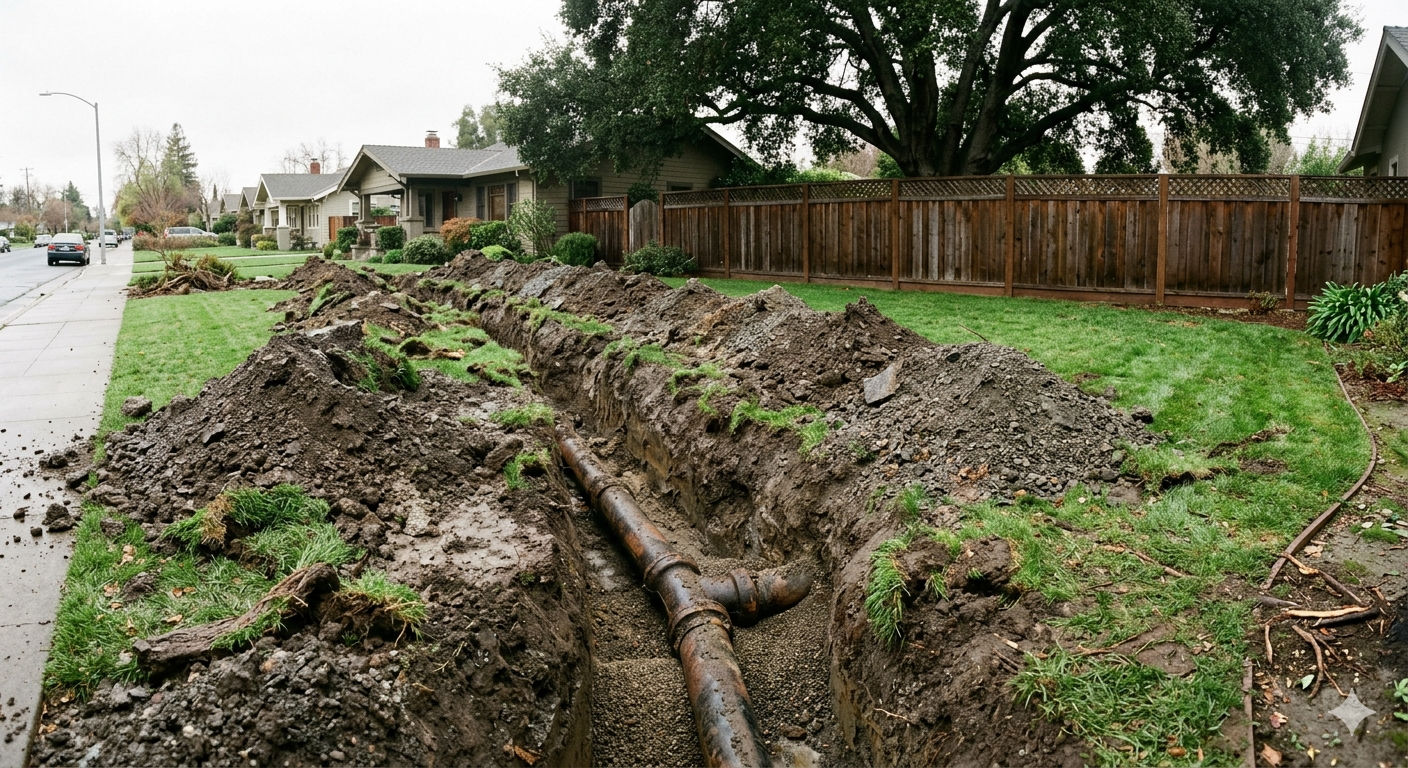
A failing sewer line forces a decision most homeowners are not prepared to make quickly. The pipe is underground, you cannot see it, and two very different repair approaches are on the table. One involves digging a trench across your yard. The other threads a solution through the existing pipe without disturbing the surface above…
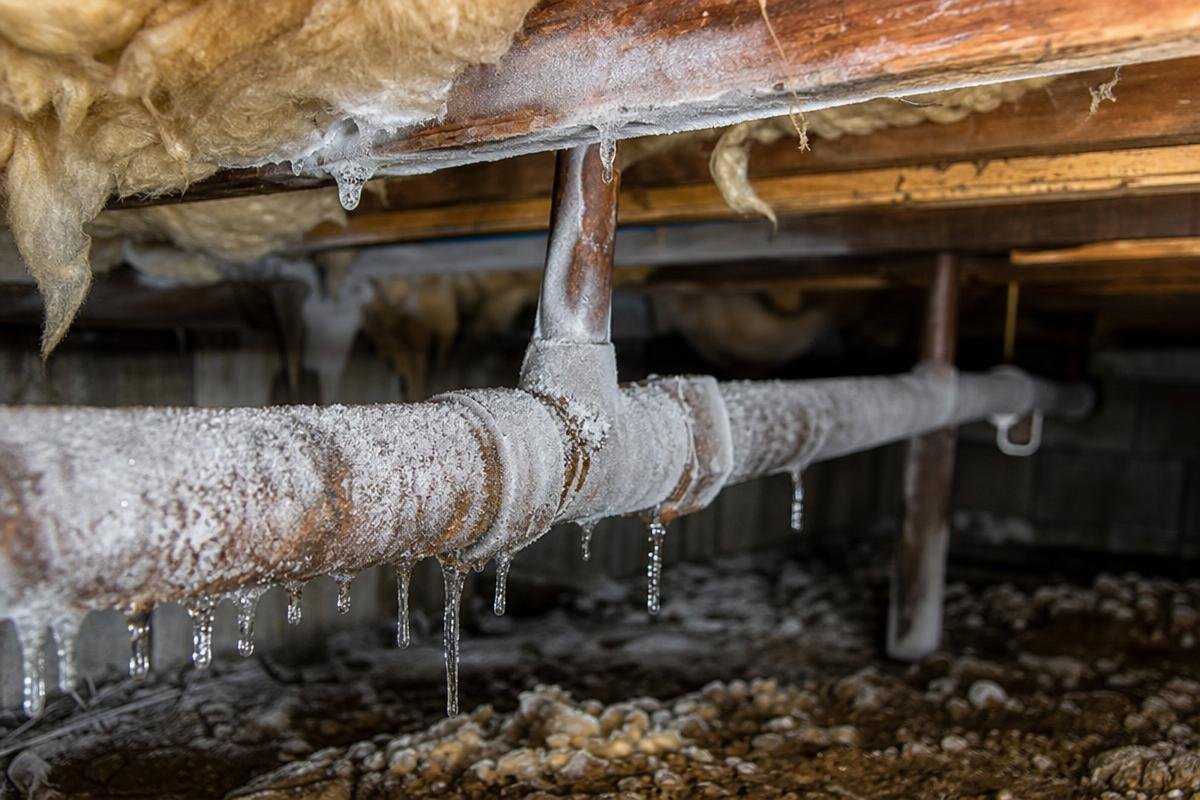
Ukiah winters catch a lot of homeowners off guard. Overnight lows in the upper 20s are common through the heart of winter, and homes built in the mid-20th century often have pipes running through uninsulated crawl spaces and exterior walls with almost no cold protection. Frozen pipes prevention is not complicated, but the mistakes that…
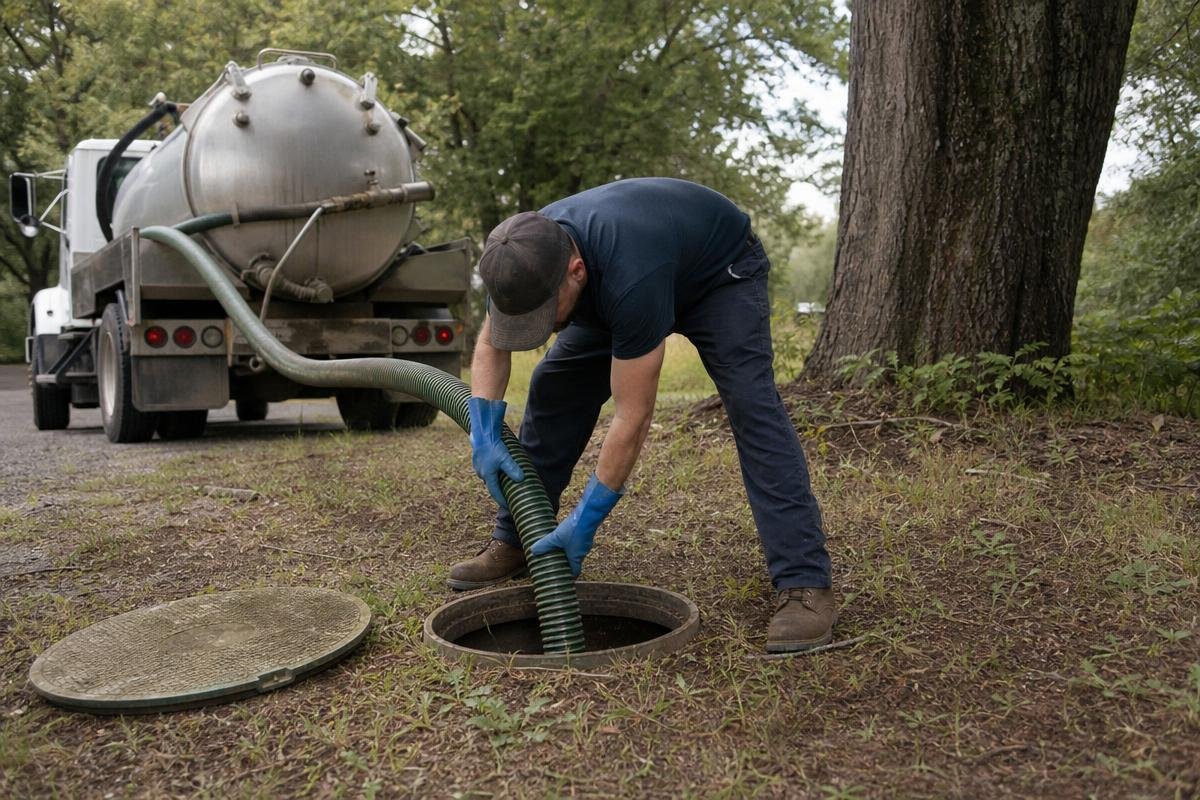
Your septic tank does not send a warning before it backs up. For rural properties in Ukiah and across Mendocino County, knowing the right septic tank pumping frequency is what separates a routine service call from a failed drain field and a repair bill that runs into the thousands. Older septic systems can differ substantially…
