
If you have called a plumber for the same slow drain or backup three times in two years, the problem is not bad luck. It is a buildup issue that the previous service did not fully resolve. The drain was cleared enough to flow again, but the material coating the pipe walls, grease, mineral scale, root fragments, sludge, stayed behind. That residue became the foundation for the next clog, and the cycle continued.
For homeowners in Mendocino County, Napa Valley, and the surrounding North Bay region, that cycle is particularly common. Older housing stock with aging pipes, mature tree canopies whose roots actively seek out sewer lines, and moderately hard water that deposits mineral scale over time all compound the problem. A drain snake opens a clog. Hydro jetting eliminates what caused it. Understanding the difference determines whether you are treating a symptom or solving the problem.
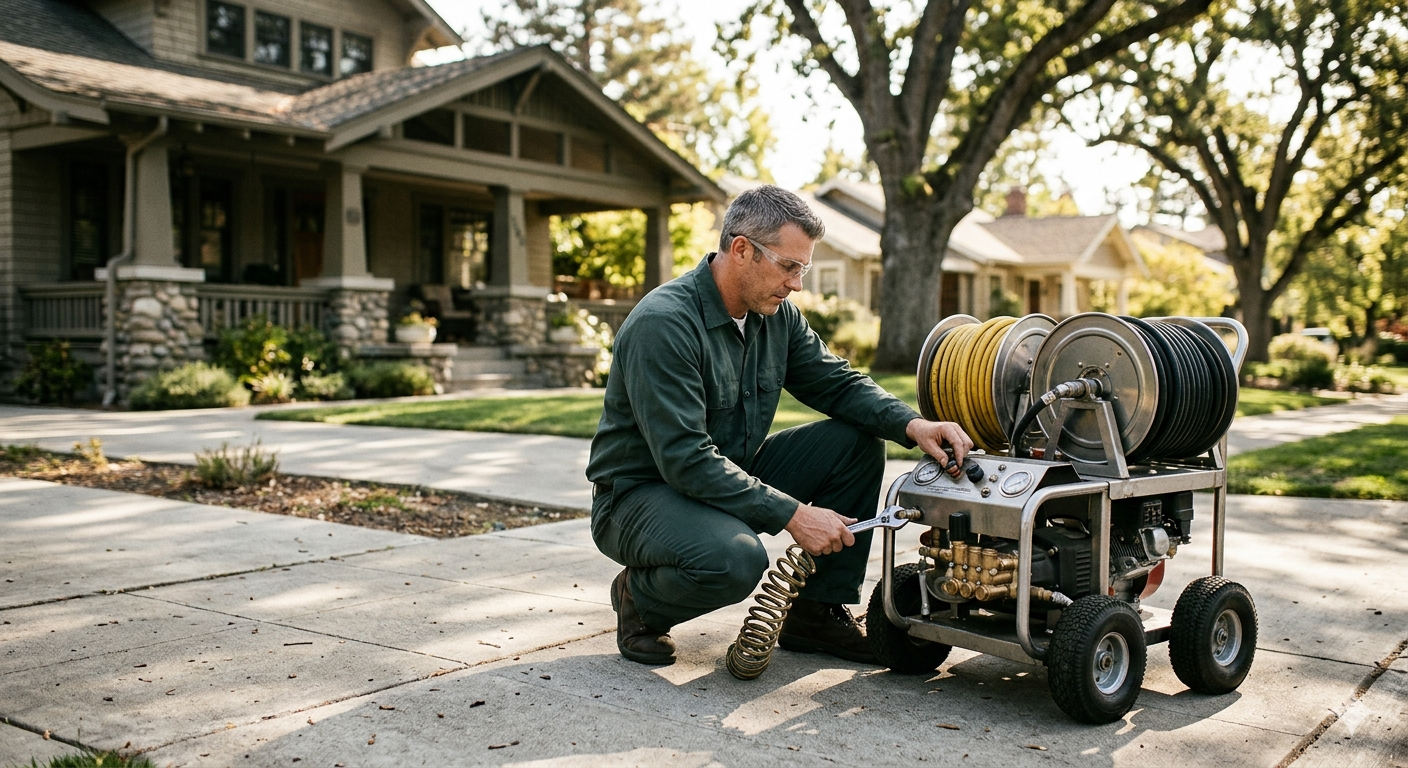
Hydro jetting is a drain and sewer cleaning method that uses highly pressurized water, typically between 3,500 and 4,000 PSI, to scour the interior walls of pipes from the inside out. A specialized pump forces water through a flexible hose fitted with a purpose-built nozzle that sprays in multiple directions simultaneously, creating a 360-degree cleaning effect that covers the entire pipe circumference rather than just the center channel.
Rather than breaking through a clog, hydro jetting removes the buildup entirely, leaving the pipe much cleaner and restoring the condition of the pipe itself, not just the flow through it.
The hose is inserted into the pipe through an existing cleanout access point, the capped pipe near your home’s foundation or along the side of the house that provides direct entry to the sewer lateral. From there, the nozzle travels through the line under water pressure, simultaneously cleaning in all directions and pushing dislodged material downstream toward the municipal main.
Hydro jetting is not a DIY procedure. The water pressure used is powerful enough that if used at the wrong setting, it can damage the structural integrity of the pipe, which is why jetting equipment is typically only available to licensed plumbing contractors. A camera inspection of the line before jetting is standard practice, it confirms the pipe is in condition to handle the pressure and identifies exactly where and what the blockage is, so the service is targeted rather than guesswork.
A drain snake, or auger, is a flexible metal cable fed into a drain until it reaches a blockage. The cable is rotated to break through or hook the obstruction and pull it back. For a single soft clog, a wad of hair caught at the trap, a localized grease plug, snaking is often the right first response. It is fast, affordable, and effective for what it is designed to do.
The problem is what it is not designed to do. Snaking creates a pathway through the blockage so water can pass, but it does not remove the buildup from the pipe walls. Because it focuses on breaking through the obstruction rather than removing it completely, snaking often leaves debris behind. Over time, that leftover buildup catches new debris and leads to another clog.
That pattern, clog clears, drain runs, clog returns within months, is the clearest sign that pipe wall accumulation is the underlying issue. For recurring clogs or slow drains throughout the home, hydro jetting is the better option because it thoroughly cleans the entire pipe rather than just punching a hole through the blockage. The residue that snaking leaves behind is exactly what hydro jetting is built to remove.
The other limitation of snaking is reach. A standard drain snake works well in the first several feet of pipe. Blockages deeper in the sewer lateral, or accumulation distributed along a long run of pipe, are beyond what a cable can fully address regardless of how many times the snake is sent down.
Understanding what builds up inside drain and sewer lines, and why those materials are particularly prevalent in Northern California homes, explains why hydro jetting produces results that snaking cannot replicate.
Grease and soap scum. Kitchen grease and cooking fat do not flush cleanly through drain lines. They coat the interior of the pipe in a film that thickens over time, narrowing the effective diameter of the line and creating a sticky surface that catches food particles, soap residue, and other debris. In households that cook frequently or have older kitchen drain configurations, this buildup accumulates faster than many homeowners expect.
Mineral scale from hard water. As covered in depth for Mendocino County homeowners, the region’s water supply carries dissolved calcium and magnesium that crystallize and bond to pipe surfaces when the water is heated or sits still. That scale builds inside drain lines the same way it builds inside supply pipes and water heaters, gradually, invisibly, and persistently. Our water treatment services address the source of that mineral content, but hydro jetting clears what has already accumulated in the lines.
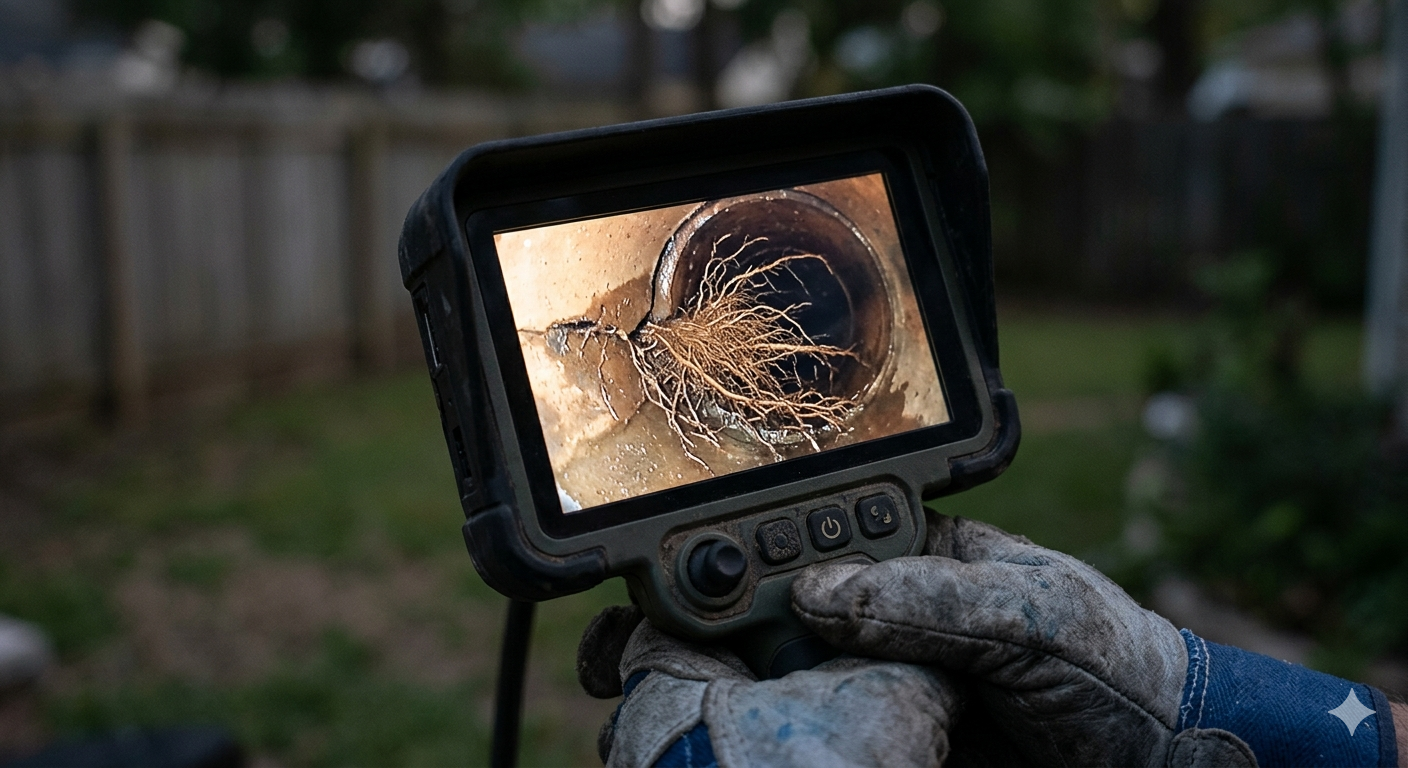
Tree root intrusions. Fine root tendrils that have worked their way through pipe joints or small cracks are among the most effective materials a hydro jet removes. The high-pressure water cuts through these root masses and flushes them completely out of the pipe. For homeowners surrounded by mature oaks, willows, or other large-canopy trees, common throughout Ukiah, Willits, Healdsburg, and the surrounding wine country. Root management is a recurring reality rather than a one-time event.
Sediment and sludge. In older sewer lines with low-grade sections or slight misalignment, sediment settles and accumulates along the bottom of the pipe. Over years that sediment compresses into a dense sludge that slows drainage progressively and provides the ideal environment for grease and root material to anchor. Hydro jetting is able to cut through virtually anything including dried concrete, grease clinging to pipes, and tree roots, the pressurized water is powerful enough to pulverize nearly any material and wash it away out of the pipe.
Tree roots are one of the most common and most underestimated causes of recurring sewer line problems in Northern California. Tree roots from oak, willow, eucalyptus, and other large-canopy trees can extend horizontally two to three times the height of the tree, and they are drawn instinctively toward the moisture and nutrients that sewer pipes emit, especially older pipes with small cracks, deteriorating joints, or compromised seals. Once a root finds its way inside, it does not stop growing.
The communities served throughout Mendocino and Lake Counties, along with the broader North Bay region, have aging housing stock surrounded by mature trees. That combination, older pipes with joints that are no longer perfectly sealed, and established trees with extensive root systems, makes root intrusion a routine concern rather than an exceptional one.
Hydro jetting handles most root intrusions effectively. Hydro jetting removes 95 to 100% of roots from the line, taking much longer for roots to regrow in the pipe compared to cable clearing, which typically removes only around 60% of roots. For thicker, more established root masses that have grown solidly inside the pipe, a combined approach is sometimes used: a cable machine cuts through the dense root material first to open the line, followed by hydro jetting to remove the fragments and scour the pipe walls clean.
The signs that tree roots have reached your sewer line deserve attention before a full backup occurs. Recurring slow drains that respond temporarily to snaking and then return, gurgling sounds from toilets when other fixtures are in use, foul odors near drains or in the yard, and soggy patches in the lawn between the house and the street are all indicators worth investigating. Our sewer line services include camera inspection that identifies root intrusion and determines how far it has progressed before any cleaning method is applied. A fuller breakdown of what these symptoms look like in practice is covered in our post on signs of a clogged sewer line that Ukiah homeowners commonly encounter.
A camera inspection is not an upsell. It is a necessary step before any hydro jetting service, and a professional who skips it is taking a risk with your pipes.
A camera inspection is performed first to assess the system’s condition. The goal is to solve the problem without causing damage, no guessing, just clarity.The inspection confirms two things: the condition of the pipe and the location and nature of the blockage. Both pieces of information directly determine how the jetting service is conducted.
Pipe condition matters because not every line is ready for high-pressure cleaning. Older pipes, as well as those with poor seals or made from certain thin materials, risk damage from hydro jetting pressure. Newer pipes withstand the high pressure much more robustly.In Northern California’s older housing stock, clay tile, Orangeburg, or cast iron lines that have deteriorated significantly may need to be assessed for repair or trenchless sewer repair before high-pressure cleaning is appropriate. Hydro jetting a pipe that is already cracked or structurally compromised can turn a drain problem into a sewer line failure.
The inspection also locates the blockage precisely so that jetting effort is directed where it is needed rather than applied indiscriminately along the line. That precision protects pipe integrity and makes the service more effective. If the camera reveals a collapsed section, a significant offset, or structural damage beyond what cleaning can address, that information allows the plumber to recommend the right repair before any further work is done.
Hydro jetting is the right service for a specific set of conditions. It is not the answer to every drain problem, and an honest plumber will tell you when it is more than a situation requires.
Drain clogs keep returning within months of being cleared. Multiple drains in the home are slow simultaneously, which points to accumulation in the main sewer lateral rather than individual fixture lines. There is confirmed or suspected grease buildup from years of kitchen drain use. Camera inspection has identified root intrusion in the sewer lateral. A home has not had its main sewer line cleaned in five or more years. A homeowner is preparing to sell and wants documentation of a clean, camera-confirmed sewer line.
The clog is isolated to a single fixture and has not recurred. The blockage is localized close to the drain opening and is clearly caused by hair or a soft obstruction. The pipe is older and fragile, and the camera has identified structural concerns that make high-pressure cleaning inadvisable until repairs are made.
Our drain cleaning service covers both approaches, and the recommendation always follows the camera inspection findings rather than a predetermined preference for one method. Our hydro jetting services are available for residential sewer laterals and drain lines throughout the Mendocino County service area.
For most homes, hydro jetting is not an annual necessity. It is a periodic maintenance service whose ideal frequency depends on the specific risk profile of the property.
A home built after 1990 with PVC sewer lines, no mature trees within 20 feet of the sewer lateral, and moderate kitchen use may go five to seven years between hydro jetting services without issue. A home built before 1970 with cast iron or clay tile sewer lines, several large trees in the yard, and daily cooking that sends grease down the kitchen drain may benefit from a service every two to three years as a preventive measure rather than a reactive one.
The most reliable indicator is history. If a drain has been snaked more than twice in three years, the pipe walls are accumulating material faster than snaking alone can manage. At that point hydro jetting is both the more effective and more cost-efficient solution, the upfront cost of a thorough cleaning is lower than the cumulative cost of repeated service calls that only temporarily resolve the problem.
A licensed Ukiah plumber familiar with the local housing stock and water conditions can give you a realistic recommendation based on your home’s specific situation after a camera inspection.
Most residential hydro jetting services take between one and three hours, depending on the length of the sewer lateral, the severity of the buildup, and whether a camera inspection is included in the same visit. Homes with significant root intrusion or dense grease accumulation may take longer. The service does not require excavation, so there is no disruption to the yard or landscaping.
When performed after a camera inspection confirms pipe condition, hydro jetting is safe for sound pipes made of PVC, copper, cast iron in good condition, and most modern materials. The risk of damage applies to pipes that are already structurally compromised, cracked, collapsed, severely corroded, or made of deteriorated materials like Orangeburg. This is precisely why the camera inspection step is non-negotiable. A plumber who skips it is working without the information needed to protect your pipes.
It removes most root intrusions effectively, particularly younger, thinner root growth. For mature, dense root masses, a combined approach, cable clearing followed by hydro jetting, is more effective. It is also worth understanding that hydro jetting removes the roots currently inside the pipe but does not prevent regrowth from the same tree. Once the roots are cleared, pipelining with a high-grade epoxy creates a seamless inner surface that eliminates the vulnerable joints where roots typically re-enter. Plumbing Kings LLC Our trenchless sewer repair team can discuss lining as a follow-up option for lines with recurring root problems.
Yes. Hydro jetting is safe for septic systems and prevents long-term wear caused by corrosive materials because it uses only water and no harsh chemicals.Chemical drain cleaners, by contrast, can disrupt the beneficial bacterial balance that a septic system depends on to function. For rural Mendocino County properties on septic, hydro jetting is the preferred drain cleaning method for that reason alone.
A typical hydro jetting service takes one to two hours for a standard residential line, depending on the length of the pipe and the severity of the buildup. A camera inspection precedes the jetting so the technician knows exactly where to focus. Most homeowners in Mendocino County are back to normal within a few hours of scheduling service.
Minimal preparation is needed. Ensure the plumber has access to the sewer cleanout, typically a capped pipe near the home’s foundation or along the exterior wall. If you are not sure where your cleanout is located, our team can locate it as part of the inspection process. Clear any items stored in front of cabinet access points under sinks if interior drain lines are being serviced. No water shutoff is required for the main sewer lateral.
If your drains keep backing up despite repeated service calls, or if your home has not had its sewer line inspected in several years, a camera inspection and hydro jetting service is the right starting point. Our team serves homeowners throughout Mendocino County and the surrounding North Bay region with professional drain cleaning and sewer maintenance.
Contact AAA Organized Plumbing to schedule a camera inspection and hydro jetting service or to discuss whether your drain situation calls for this approach.
AAA Organized Plumbing is a licensed plumbing contractor serving Ukiah and communities throughout Mendocino County and the broader North Bay region. From hydro jetting and sewer camera inspection to full sewer line repair and replacement, the team brings the equipment and expertise to resolve drain problems that keep coming back rather than temporarily clearing them. When you need a reliable Ukiah plumber who diagnoses the actual problem before recommending a solution, AAA Organized Plumbing is the team to call.
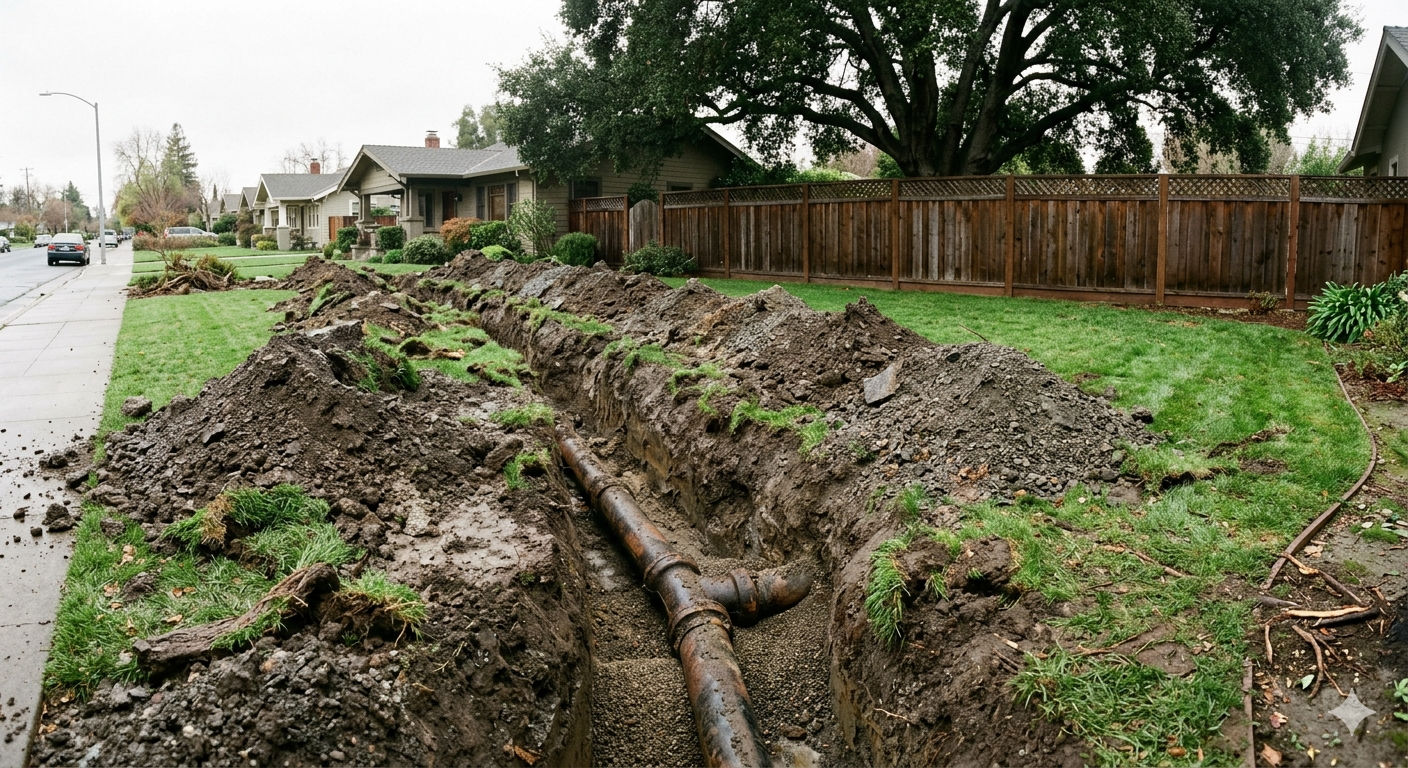
A failing sewer line forces a decision most homeowners are not prepared to make quickly. The pipe is underground, you cannot see it, and two very different repair approaches are on the table. One involves digging a trench across your yard. The other threads a solution through the existing pipe without disturbing the surface above…
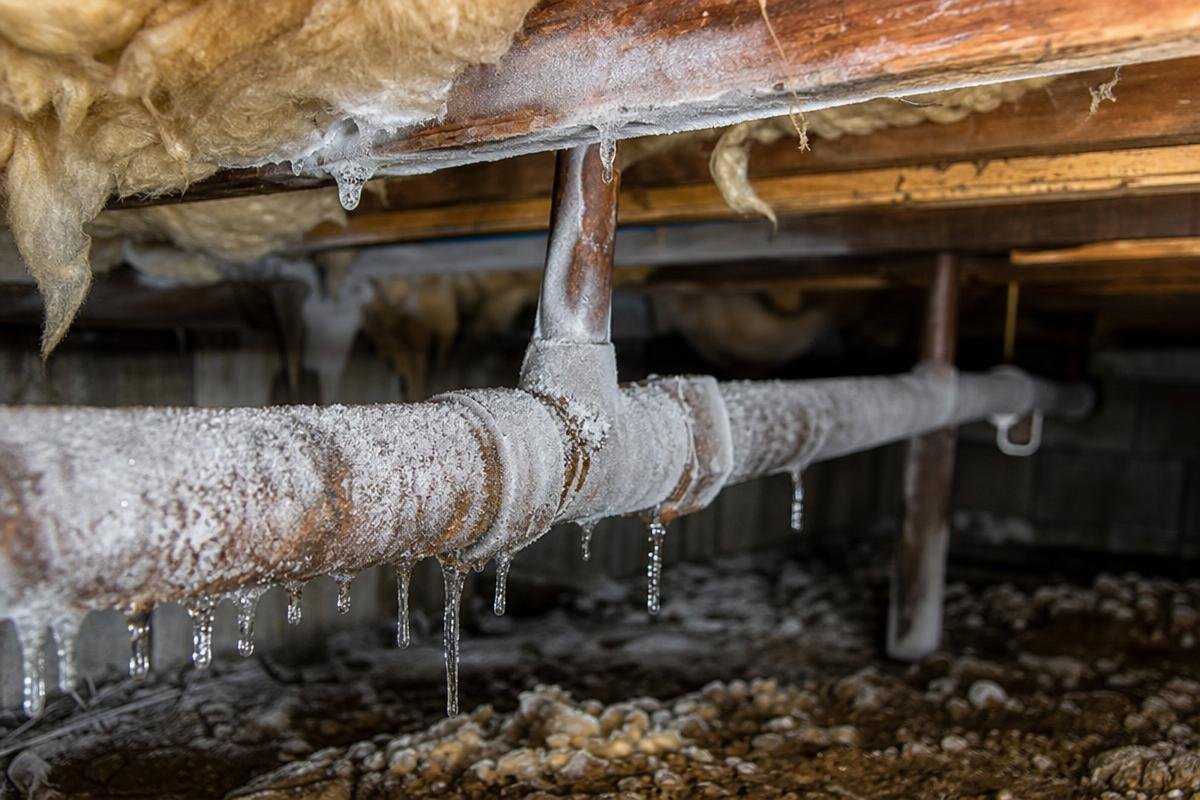
Ukiah winters catch a lot of homeowners off guard. Overnight lows in the upper 20s are common through the heart of winter, and homes built in the mid-20th century often have pipes running through uninsulated crawl spaces and exterior walls with almost no cold protection. Frozen pipes prevention is not complicated, but the mistakes that…
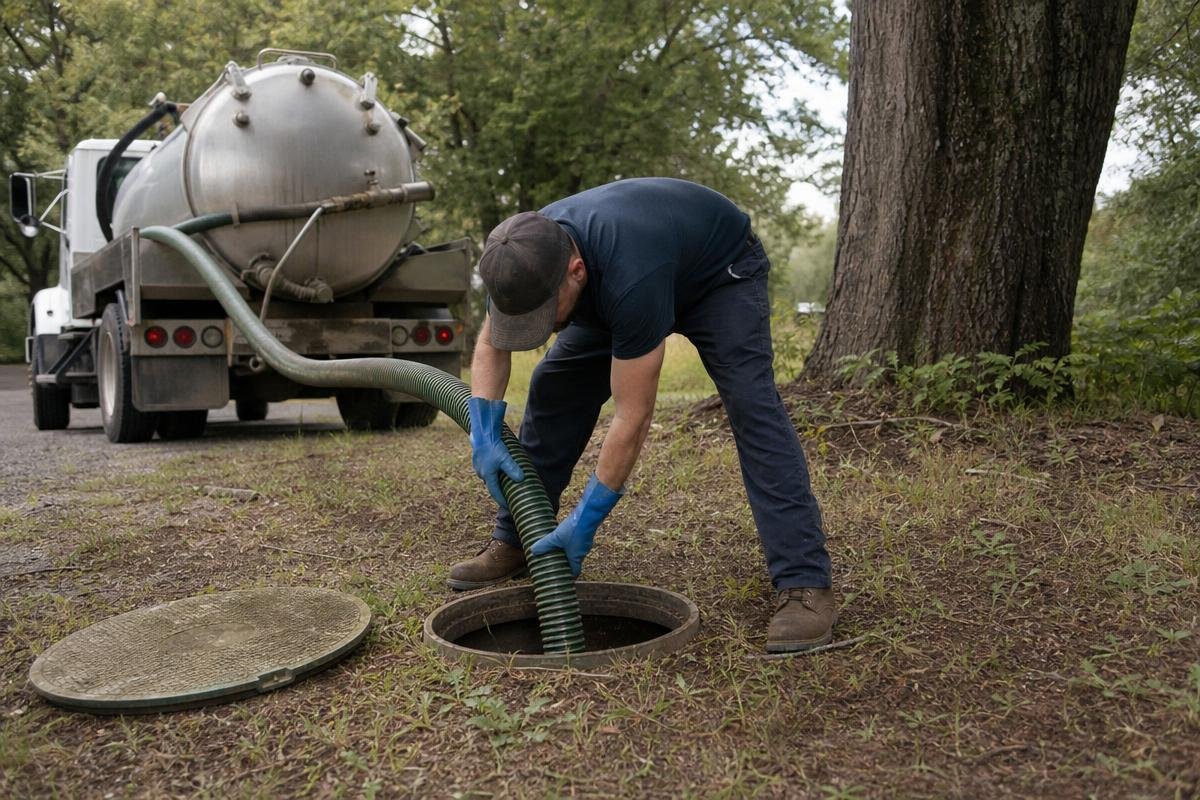
Your septic tank does not send a warning before it backs up. For rural properties in Ukiah and across Mendocino County, knowing the right septic tank pumping frequency is what separates a routine service call from a failed drain field and a repair bill that runs into the thousands. Older septic systems can differ substantially…
