
Ukiah winters catch a lot of homeowners off guard. Overnight lows in the upper 20s are common through the heart of winter, and homes built in the mid-20th century often have pipes running through uninsulated crawl spaces and exterior walls with almost no cold protection. Frozen pipes prevention is not complicated, but the mistakes that lead to burst pipes usually are. We put this guide together at AAA Organized Plumbing because we see the same six errors repeated every winter across Mendocino County, and every one of them is avoidable. Got a pipe that froze last winter? Let us check it before the next cold snap hits.
It is late November. The thermostat is dialed back to 60 because you are heading out for the holiday. The garden hose is still threaded onto the spigot out back. The crawl space vent you propped open in September is still open. You figure inland winters are mild. You figure you are fine.
You are not fine. The Ukiah Valley floor regularly drops cold enough overnight to freeze water inside an uninsulated pipe in a matter of hours, and hillside neighborhoods run colder still thanks to cold air drainage on clear nights. The freeze risk window up there is longer than most homeowners realize.
This is not a generic frozen pipes article. This is a list of the six specific mistakes we see Ukiah-area homeowners make every winter, and what frozen pipes prevention actually looks like here in the inland North Bay. Our team has responded to freeze and burst-pipe calls across Mendocino County for years, and if a pipe has already let go on you, our emergency plumbing team is available when you need us. But let us start before it gets to that point.
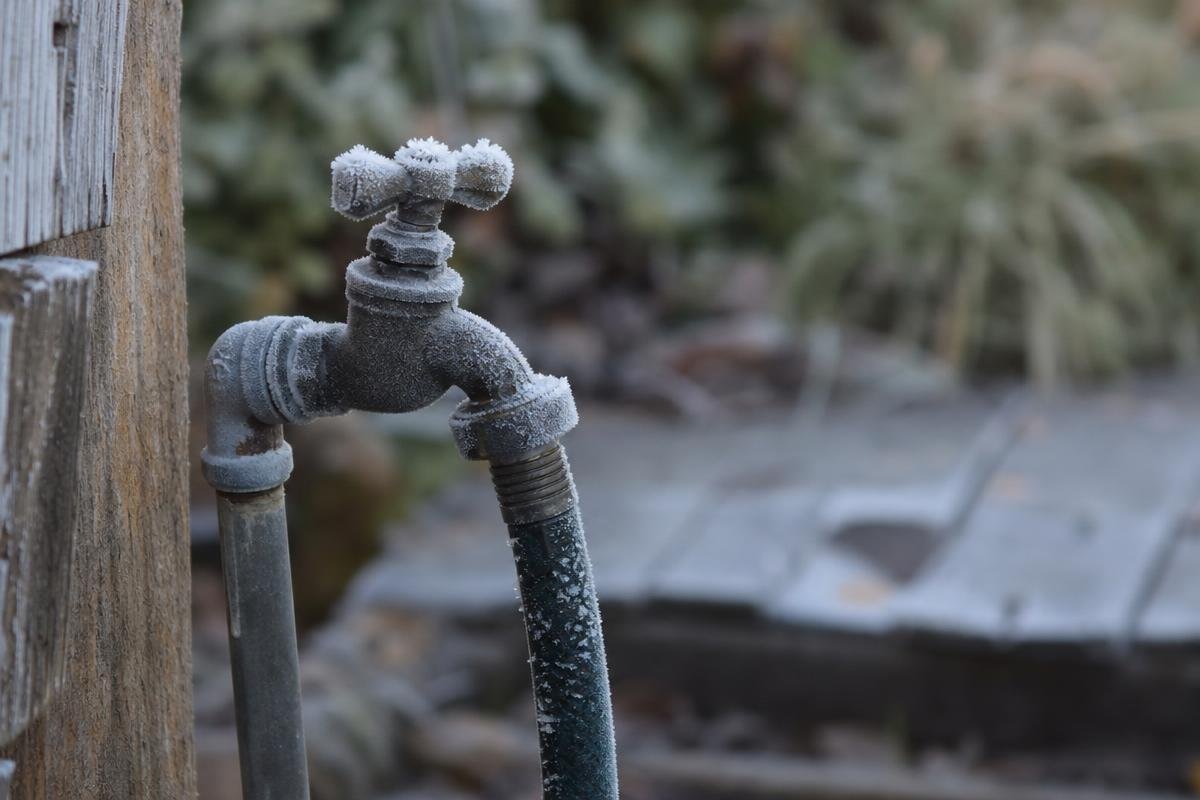
Most people hear “California” and assume frozen pipes are someone else’s problem. They are not. The inland valley position of this area puts it in a completely different climate category than the coast. There is no marine layer sitting between these neighborhoods and a hard winter cold front. When temperatures drop, they drop fast and stay down through the night.
Freezing weather can put uninsulated pipes at risk. Pipe-freeze risk depends on insulation, exposure, wind, and how long temperatures remain low. At that temperature, water inside a copper or PVC pipe expands with enough force to split a joint or crack a pipe wall. A hard freeze that holds overnight crosses that line more often than most homeowners realize.
Communities like Redwood Valley, Calpella, and Potter Valley sit on hillsides and valley edges where cold air drains downward on clear, still nights after a front passes. Higher-exposure properties may face greater freeze risk. That difference is enough to push a borderline night into genuine freeze territory. Our full guide on how to prevent frozen pipes in Mendocino County covers the regional temperature patterns in more detail.
A large share of homes in established neighborhoods here were built between the 1950s and 1970s. Crawl space insulation standards in that era were minimal, and pipe routing through exterior walls was common. Both conditions are still present in thousands of homes across the county today. Copper and galvanized steel pipes sitting in uninsulated crawl spaces are the first to go when temperatures drop.
Older pipes that already show pinhole leaks, discoloration, or reduced water pressure carry compounded risk. A freeze event does not just add stress to a healthy pipe. It finds the weakest point and splits it. If your home falls into this category, reviewing the 5 signs your Ukiah home needs repiping is a practical first step before winter sets in.
Not sure whether your crawl space piping can handle a hard freeze? Schedule a pre-winter pipe inspection with our team.
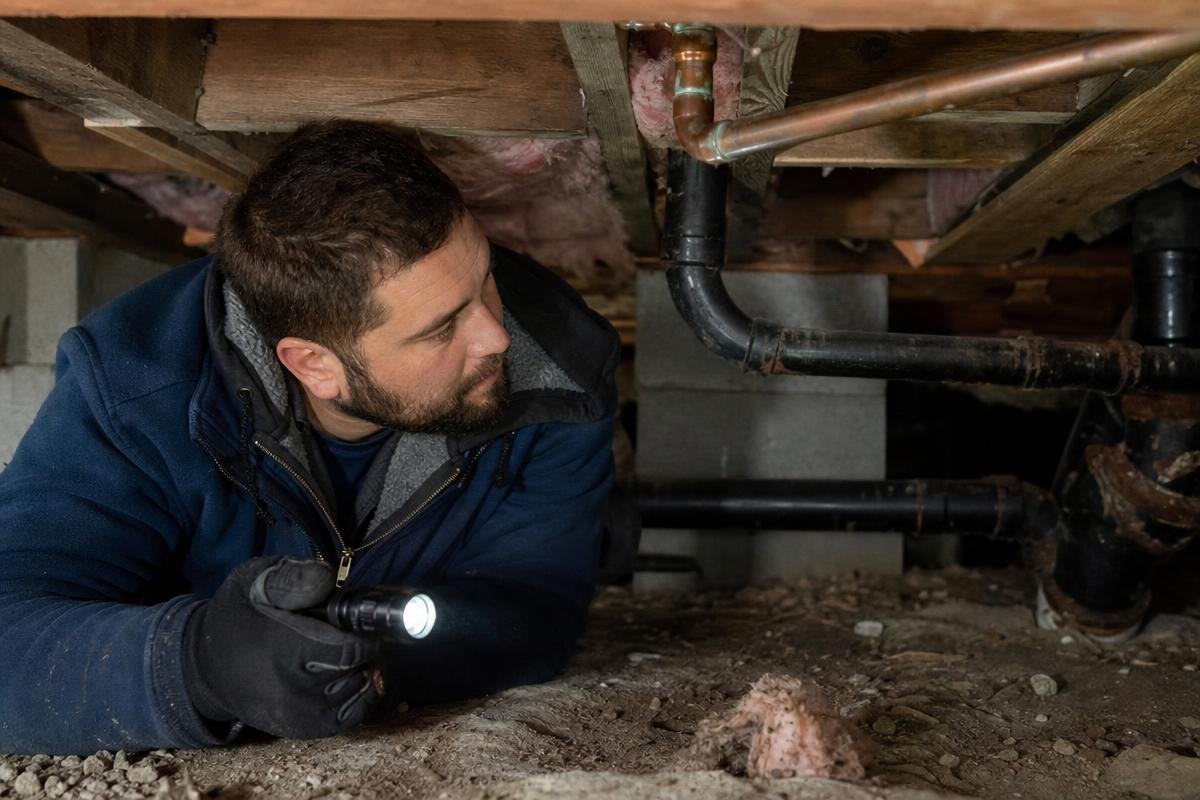
Most freeze events we respond to are not bad luck. They trace back to one of six specific mistakes made before the cold arrived. Here is what those mistakes look like and why each one matters.
A connected hose traps standing water inside the spigot body. When overnight temps fall into the upper 20s, that water freezes and expands back into the supply line inside the wall. Even frost-free bibs fail when a hose is left attached because the hose prevents the bib from draining. Fix: disconnect and drain all hoses before the first hard freeze, then close the interior shutoff valve feeding the outdoor spigot.
Setting the thermostat to 55°F before a holiday trip feels like a smart way to save on heating. It is not. Pipes routed through exterior walls track outdoor air temperature, not the temperature in the middle of the room. Follow your heating-system manufacturer’s guidance and use a safe temperature setting while the home is unoccupied. Let a faucet trickle at the fixture farthest from your main shutoff. Moving water through the longest pipe run is one of the simplest ways to prevent a burst pipe on a Ukiah winter night.
Homeowners insulate living areas and forget everything below the floor. As noted earlier, older homes here commonly have bare pipes with no insulation under the floor. Foam pipe insulation sleeves sized to match your pipe diameter are the minimum fix. Consult a qualified professional before changing crawl-space ventilation, since the right approach depends on the home and moisture conditions.
Older construction in the Hopland and Willits areas commonly routes supply lines through exterior-facing wall cavities where insulation has settled or was never installed. The symptom is specific: one faucet runs cold or slow on the coldest mornings while every other fixture runs normally. That pattern is actually useful information. It tells you exactly which wall cavity has a problem. Fixing it requires assessing the pipe routing before adding insulation, not after.
Closed cabinet doors block warm interior air from reaching pipes on exterior walls. On nights below 28°F, that is enough to cause a freeze under a kitchen or bathroom sink. Leave those cabinet doors open on cold nights. It costs nothing and takes five seconds.
Inspect heat tape according to the manufacturer’s instructions before cold weather. A failed tape gives you false confidence because it looks fine from the outside. Each fall, plug it in and feel for warmth within 30 seconds. Check the manufacturer label for wattage and thermostat rating since not all heat tape is rated for outdoor below-freezing exposure. If a pipe has already cracked from a previous freeze, heat tape will not seal it. That requires leak repair services before the next cold season arrives.
Don’t wait for a burst. Call before the next cold snap and get your pipes protected while there’s still time.
One faucet produces nothing but a trickle. Every other faucet in the house runs fine. That difference is actually useful information. It tells you exactly which branch of your plumbing is affected and gives you a starting point before you touch anything.
Start at the dead faucet and work backward toward the main shutoff. Feel along every exposed pipe you can reach. A frozen section will feel noticeably colder than the surrounding air, and you may see visible frost on the pipe surface. In older homes across the inland valley, the most common locations are under the kitchen sink on an exterior wall, along the garage wall, and along the foundation perimeter in the crawl space.
Before you apply any heat, open the faucet. Leave it open. As the ice melts, water and steam need somewhere to go. A closed faucet traps pressure behind the ice plug and dramatically increases the chance of a crack.
Use a hair dryer on low heat, an electric heating pad wrapped around the pipe, or warm towels applied directly to the pipe surface. Work from the faucet end back toward the frozen section, not the other way around. This lets meltwater escape as you go rather than building pressure behind it.
Never use an open flame, a propane torch, or a heat gun directly on a pipe. These cause thermal shock cracking and can ignite insulation inside the wall cavity. When it comes to burst pipe prevention, low, steady heat is consistently the only safe method for thawing.
Stop immediately if you cannot locate the frozen section, if the pipe runs inside a wall cavity, or if you hear hissing or dripping after thawing begins. That sound means the pipe has already cracked and water is entering the wall. Left unaddressed, structural damage can reach thousands of dollars within hours.
If you suspect a crack, shut off the main water supply and contact our emergency plumbing line right away. We are available around the clock. For help identifying whether water has already escaped into the structure, our guide on how to find a water leak underground in Ukiah covers what to look for before we arrive.
If you live in Redwood Valley or Calpella, aim to finish this list by mid-October. Those hillside communities cool off well ahead of the valley floor, and the freeze window opens earlier than most people expect. For homes closer to Willits or Covelo, the same urgency applies. Do not wait for the first frost warning to start checking things off.
Need help getting your plumbing ready before the first hard freeze? Call us at (707) 621-8282 and we will walk through what your home needs.
A freeze event does not always end when the temperature climbs back up. The damage can keep developing for weeks, and the plumbing failure you see in late winter often traces back to a cold snap that happened months earlier.
Freezing water can create enough pressure to damage plumbing components. Copper splits. PVC cracks. Joints blow apart. The burst does not always happen at the frozen section either. It often happens downstream, where trapped pressure has nowhere to go. A pipe that fails inside a wall can release hundreds of gallons before you notice wet drywall or a drop in water pressure.
Older galvanized and copper supply lines common in Potter Valley homes already have pipe walls thinned by years of corrosion. Those walls give way at lower pressures. If you see water damage and need fast help, our leak repair services are available for exactly this situation.
Even without a visible burst, freezing creates micro-fractures in the pipe wall. They are too small to leak right away. But under normal daily water pressure, those fractures widen. That pinhole leak you notice in spring most likely started during a January cold snap. Hard water scale compounds the problem by thinning the pipe wall from the inside, accelerating the timeline. You can read more about that mechanism in our article on How Hard Water in Mendocino County Damages Your Pipes Over Time.
If your home is showing repeated pinhole leaks after cold weather, that is a signal worth taking seriously. Our team can assess whether targeted repairs are enough or whether house repiping services make more sense for your situation.
Not every neighborhood in the inland North Bay carries the same freeze risk. Where your home sits, how old it is, and whether anyone is there during the coldest weeks of winter all change the picture significantly. Pipe insulation needs in Mendocino County vary more by location than most homeowners realize.
Potter Valley homes often run on wells, which means longer supply lines from the pump house to the fixtures and more exposed piping crossing unheated ground. Those homes sit where cold air pools on clear winter nights, running several degrees below the valley floor and pushing borderline nights into freeze territory. Nearby, a plumber covelo service call often involves the same rural pattern. If your property runs on a well, sump pump services should be part of your winterization plan, not an afterthought.
A plumber laytonville call faces similar or greater exposure. Real burst pipe prevention in these upper inland communities starts with acknowledging that they are genuinely colder than the valley floor, not just slightly cooler.
Older homes in central neighborhoods, many built before 1970, have original copper or galvanized supply lines with little crawl space insulation. The specific risk here is complacency. Being in town does not mean being protected.
Coastal vacation properties at plumber sea ranch and plumber fort bragg, ca face a different problem entirely. These homes sit empty during the coldest months. A burst pipe can go undetected for days, soaking floors, walls, and subfloor before anyone notices. Shutting off the main water supply and draining the system before an extended absence is the single most effective step you can take to winterize pipes and protect a property no one is watching.
Water freezes at 32°F, but real pipe damage starts at 28°F and below. That is when the freeze penetrates the pipe wall and pressure builds. Pipes in unheated crawl spaces and garages reach outdoor air temperature quickly, well before interior pipes are affected. In the inland communities around Hopland and Boonville, overnight lows in January can drop into the upper 20s after a clear-sky cold front moves through.
Yes. A slow, steady trickle keeps water moving through the longest pipe runs in your home. Focus on faucets connected to pipes that run through exterior walls or unheated spaces. You do not need a full stream. A thin, consistent flow is enough to help prevent frozen pipes from forming overnight.
Watch for reduced pressure at one specific faucet after a freeze, water stains on walls or ceilings, or the sound of running water inside a wall when no fixture is open. If your water meter spins with every fixture off, there is an active leak. Shut off the main valve and contact our team for leak repair services right away.
A space heater can safely warm an enclosed space like the cabinet under a sink, which indirectly warms the pipe. Do not aim it directly at a pipe from close range, and never leave it unattended near flammable materials. A hair dryer on low heat applied directly to the pipe gives you more control for targeted frozen pipe thawing.
Cost depends on pipe location, how much needs replacement, and whether water has reached surrounding materials. A straightforward section repair costs less than one requiring a wall or ceiling to be opened. Request an estimate. Call us at (707) 621-8282 and we will give you a clear number before any work begins.
Yes. We offer emergency plumbing around the clock, including service to Laytonville, Fort Bragg, Covelo, and Sea Ranch. If a pipe has already frozen or burst, call (707) 621-8282 any time. We are based at 1252 Airport Park Blvd STE A4 in Ukiah and serve communities across the county. We will walk you through the next step before we even arrive.
Call (707) 621-8282 to speak with our team directly. We’re ready to answer your questions, walk you through your options, and help you find the right solution for your needs. Whether you’re just starting to plan or ready to move forward, we’ll make the process simple and stress-free. Reach out today and let’s talk about how we can help.
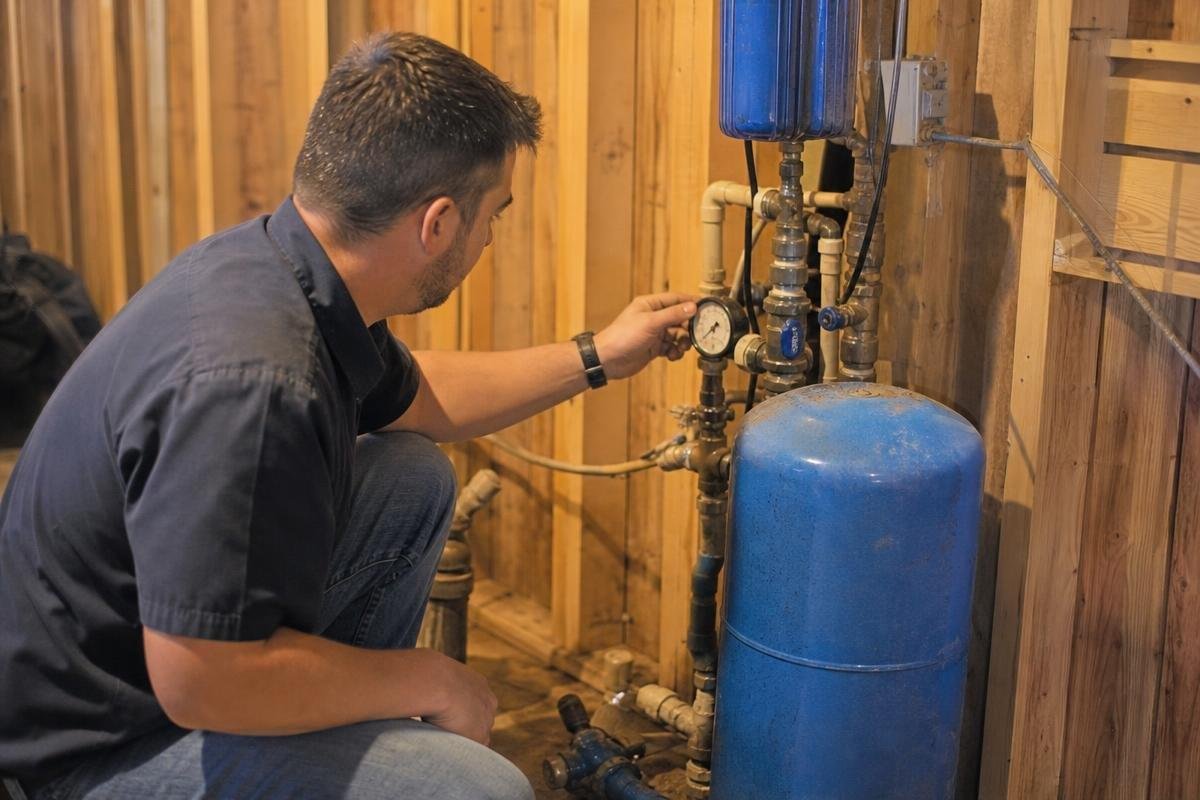
You may need well pump repair in Ukiah when your faucets sputter, the shower loses pressure, or water stops throughout the house. On private well properties in and around Ukiah, including rural areas such as Redwood Valley, these symptoms may involve the well pump, pressure tank, controls, a supply-line leak, or the well’s available water.…
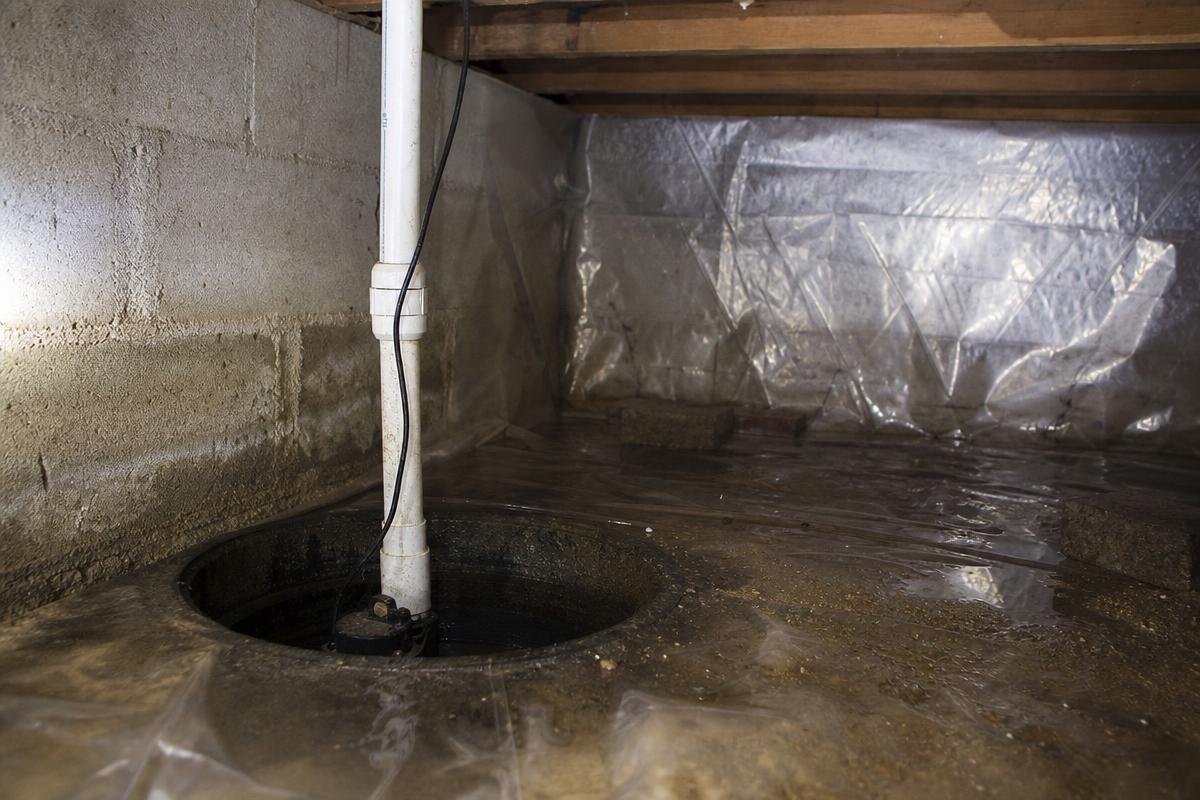
Water stains on a crawl-space wall, a damp smell after hard rain, or water collecting near the foundation can mean you need a sump pump. In Ukiah and nearby Mendocino County communities, winter storms, hillside runoff, valley-floor drainage patterns, irrigation, and downspouts that empty too close to the house can all contribute. AAA Organized Plumbing…
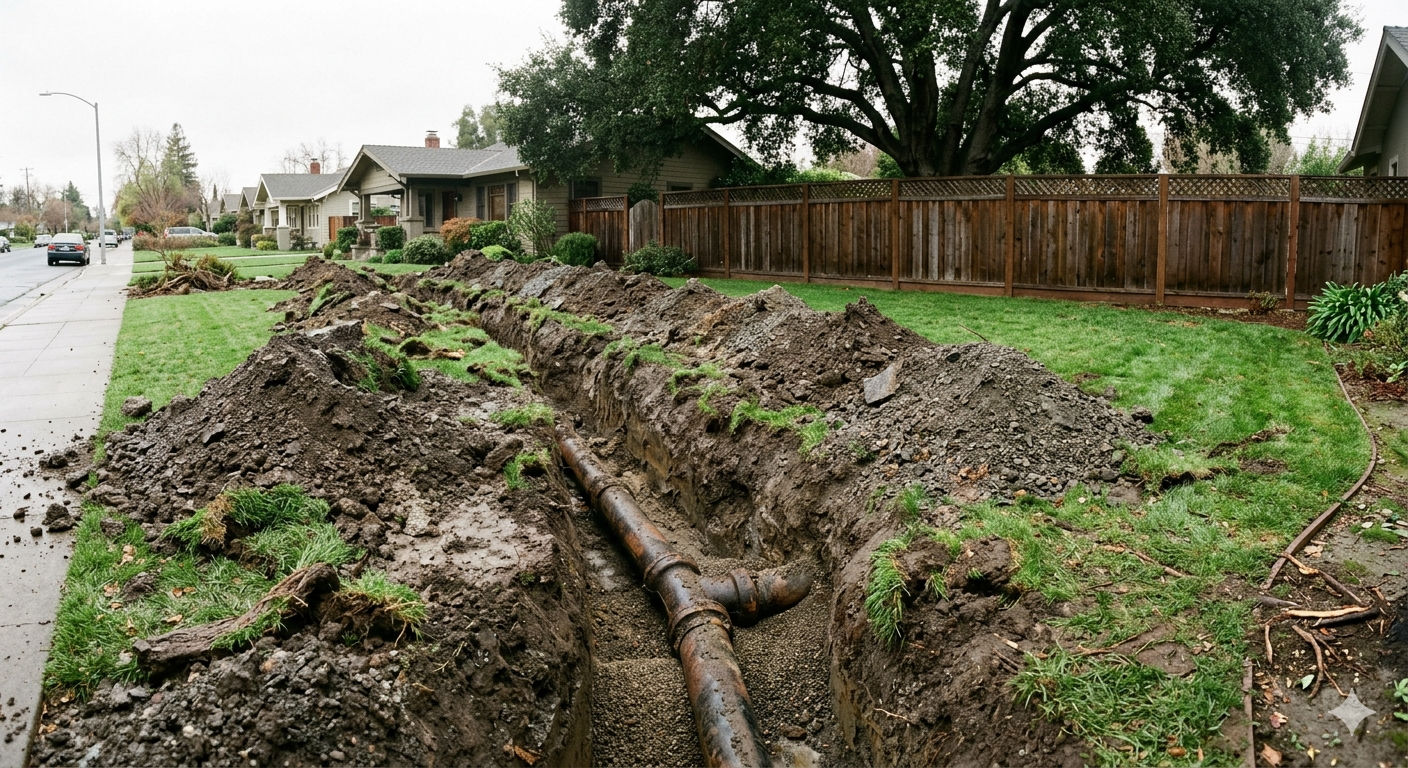
A failing sewer line forces a decision most homeowners are not prepared to make quickly. The pipe is underground, you cannot see it, and two very different repair approaches are on the table. One involves digging a trench across your yard. The other threads a solution through the existing pipe without disturbing the surface above…
