
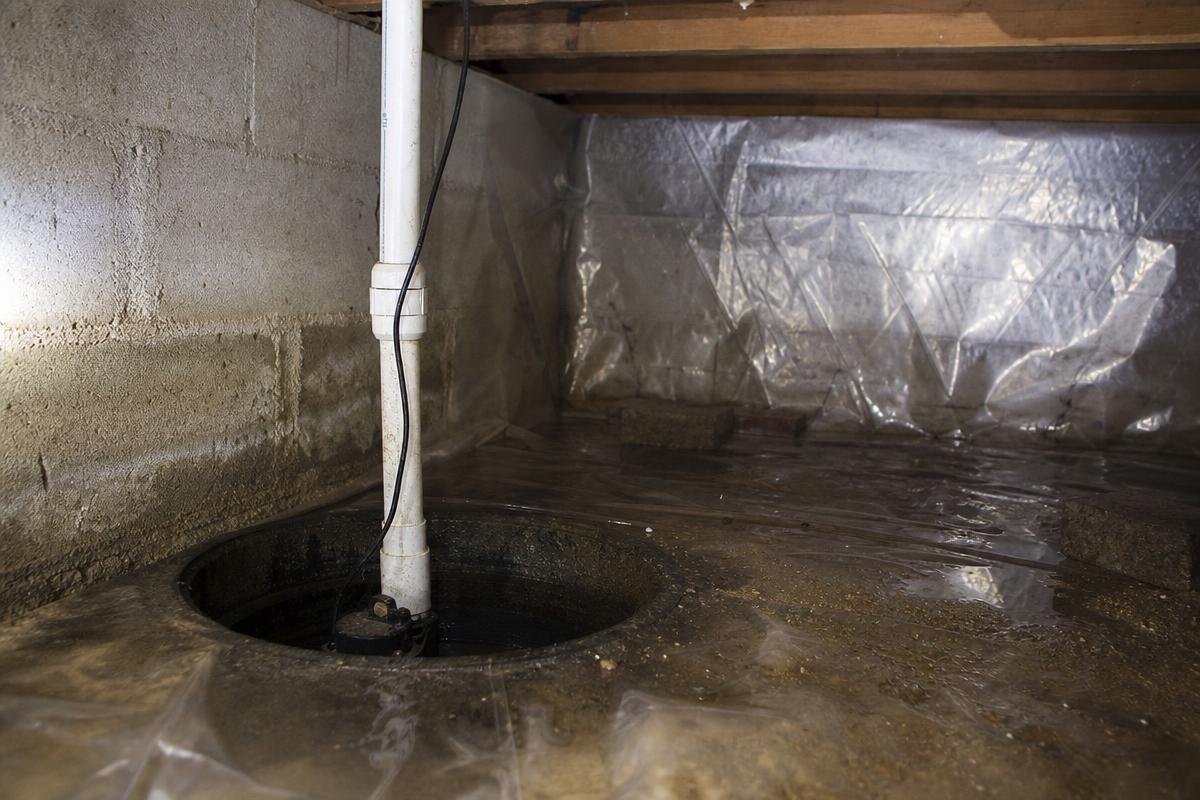
Water stains on a crawl-space wall, a damp smell after hard rain, or water collecting near the foundation can mean you need a sump pump. In Ukiah and nearby Mendocino County communities, winter storms, hillside runoff, valley-floor drainage patterns, irrigation, and downspouts that empty too close to the house can all contribute. AAA Organized Plumbing starts by identifying where the moisture is coming from before recommending a pump, drainage correction, leak repair, or a combination of solutions.
Schedule a crawl-space moisture inspection to identify the source of water and the right next step.
A crawl space or basement may need a sump pump when water repeatedly reaches the lowest point of the structure and does not have a dependable way to leave. Standing water, saturated soil, wet vapor barriers, and damp foundation walls can contribute to wood deterioration, odors, insulation damage, and mold growth. The pump removes collected water from a controlled basin before it sits beneath the home.
In the Ukiah Valley, a flat lot can hold runoff near the house when surface drainage is limited. On properties closer to hillsides or sloped terrain in Mendocino County, water can move downhill toward the structure during heavy rain. The cause matters because a pump manages collected water, while drainage corrections reduce the amount of water reaching the building.
A sump basin is a lined pit installed at the low point of the crawl space or basement. Water can enter through surrounding soil, floor drainage, connected drain lines, or moisture moving through foundation walls. The basin gives that water one controlled place to collect rather than allowing it to spread below the home.
As the water level rises, a float switch activates the pump. The pump sends water through a discharge line that carries it away from the foundation. This is a key part of basement flooding prevention, but the discharge point must be planned correctly.
Our team can inspect the water source and explain sump pump installation in Ukiah for your property.
A sump pump can reduce water below the home, but it does not replace surface grading, roof runoff control, or repairs to failed exterior drainage. Lot slope, downspout discharge, irrigation leaks, crawl-space elevation, and neglected drains all affect how much water reaches the basin.
That distinction matters. A pump handles collected water. Drainage work limits the water reaching the structure in the first place. If water is actively entering your home, our emergency plumbing can help assess the immediate problem.
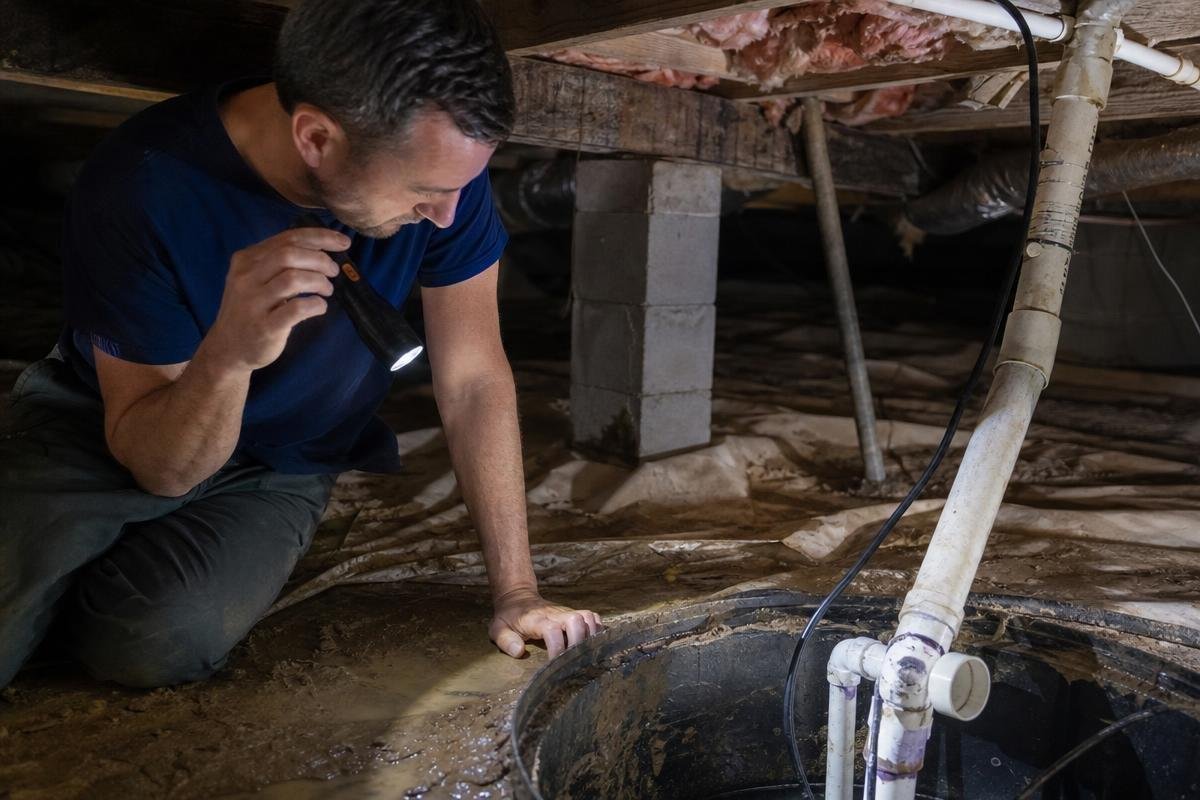
What are the signs a sump pump is needed? Look for repeat water at the same low point, a damp or musty under-home area, a wet vapor barrier, staining near foundation walls, unexplained moisture, a basin that will not empty, or an existing pump that will not start or runs continuously.
Water returning to one location after storms or irrigation often shows where the property naturally drains or where water is entering. Note whether it appears only after rain, after sprinklers run, or even in dry weather. That pattern helps distinguish surface runoff from irrigation issues, plumbing leaks, or groundwater.
A musty odor can mean moisture has been present long enough to affect framing, insulation, and stored materials. A pump may be appropriate when water is actually collecting, but a moisture review should also look for wet soil, drainage failures, missing vapor-barrier coverage, and leaking plumbing lines.
A wet vapor barrier can mean water is collecting beneath the home instead of draining away. Plastic does not remove water. It separates some ground moisture from the space above it, so pooling on top of the barrier is a sign to investigate the source.
Moisture near foundation walls can be caused by runoff, groundwater, or water entering below grade. Watch for damp concrete, staining, peeling finishes, or puddles along the wall after wet weather. Downspouts, patio slopes, and soil grade should direct water away rather than toward the structure.
Water without an obvious plumbing leak can mean groundwater intrusion, poor drainage, or runoff. It can also be a hidden supply or drain leak. Our team can diagnose the source before recommending a pump, including leak repair services if plumbing is the cause.
A full basin that does not empty can mean pump failure, a blocked discharge line, a failed float switch, or a pump that cannot keep up. A check valve that leaks or is installed incorrectly can also allow water to fall back into the basin after each cycle. This needs prompt attention because capacity depends on actual inflow and piping conditions, not a universal horsepower number.
A pump that runs constantly can mean it is undersized, its float is stuck, the outlet line is obstructed, or water is returning through the discharge line. A pump that will not start may have an electrical, switch, or motor problem. If your sump pump is not starting, running continuously, or failing to drain, schedule an inspection through our sump pump installation service so the system and water source can be evaluated together.
The right pump depends on the basin, available space, expected water volume, and discharge route. We also look at lot slope, roof runoff, irrigation, crawl-space elevation, electrical access, and how easy the unit will be to maintain. A property-specific review helps avoid an undersized pump or a system that cannot move water where it needs to go.
A submersible pump sits inside the sump basin with a sealed motor. It is usually quieter because the basin contains much of the operating sound. This is often a practical option where the basin has enough depth and access is available for future service.
A pedestal pump has its motor above the basin and its pump intake below. That layout can fit certain shallow basin configurations and makes the motor easier to reach. It may be louder, so the location and your noise tolerance matter.
A battery backup pump adds protection if the primary pump fails or electrical power is unavailable. It is not a replacement for correct drainage or a properly sized primary pump. It is an added layer for a property where water entry could cause damage, especially during a winter storm or outage.
Horsepower alone does not tell us whether a pump can keep up. Pump selection considers incoming water volume, vertical lift, discharge distance, pipe diameter, fittings, check-valve placement, electrical setup, and the final outlet location.
A strong pump can still underperform if the pipe run is too restrictive, the check valve fails, or the discharge route sends water back toward the home. For our Ukiah sump pump installation service, the equipment and piping are matched to the property rather than chosen from a shelf label alone.
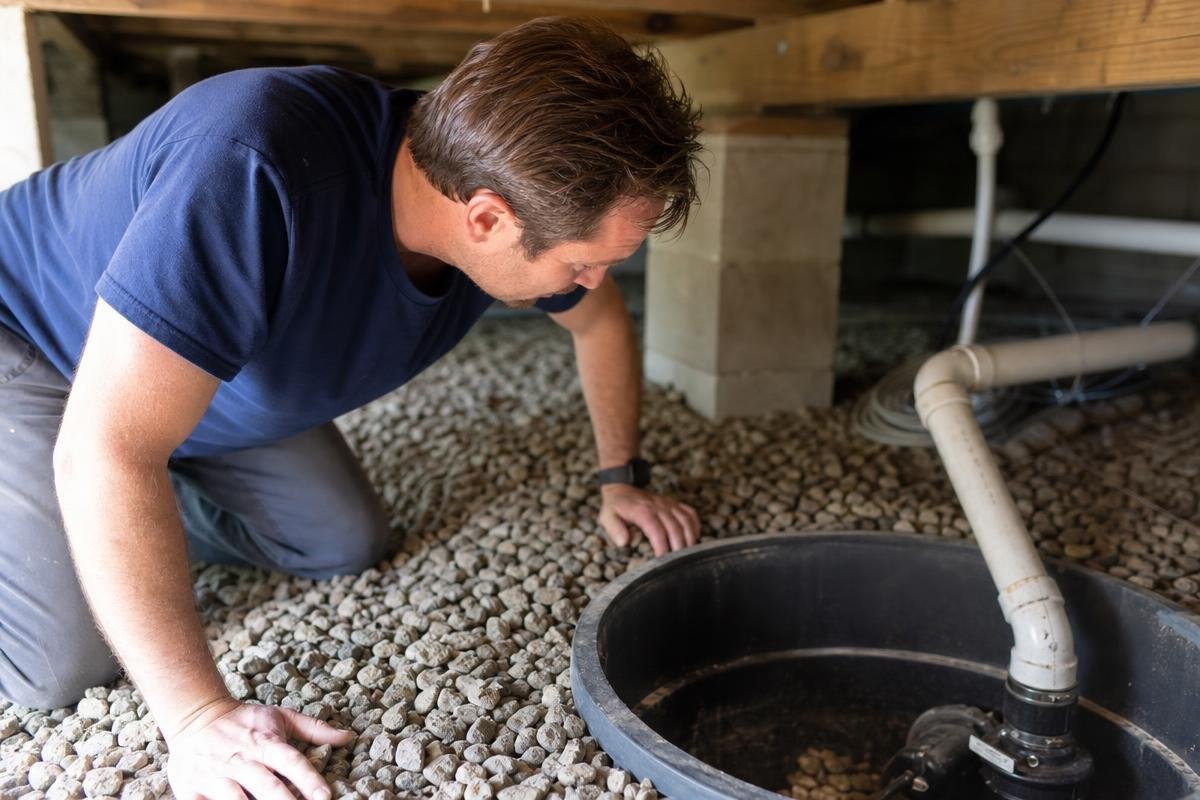
A professional installation starts by identifying where water enters and where it can safely discharge. For sump pump installation in Ukiah, CA, we inspect the property before selecting equipment or placing a basin. That approach supports basement flooding prevention without sending water back toward your foundation.
We check crawl-space or basement access, floor conditions, visible moisture patterns, existing drains, electrical availability, roof runoff, irrigation, and lot slope. Helpful homeowner observations include whether water appears after a specific storm, after irrigation, or during dry weather, and whether it has an odor or discoloration.
Slow drains, sewer odors, or backups can look like an under-home drainage problem. If those symptoms are present, we may recommend checking sewer line services before installing a pump that cannot correct a blocked sewer line.
After finding the likely water path, we plan the sump basin location and outlet route. The system may include a basin, pump, lid where appropriate, discharge pipe, and check valve. The route should carry water far enough from the foundation that it cannot return to the basin or saturate soil beside the home.
Discharge routing must be evaluated on site. It should not create pooling near a neighbor’s property, cross walkways where it can create a slipping hazard, or connect to a sewer line unless that connection is specifically permitted. Local requirements and lawful drainage destinations can vary, so permit needs and final routing should be confirmed before installation.
Every Ukiah property needs its own plan. Crawl-space elevation, nearby hard surfaces, landscape grading, and available drainage paths all affect the installation. Our sump pump installation service starts with that site-specific review.
We test the float, pump activation, discharge flow, and check-valve performance before the job is complete. The pump should switch on as water rises, move water through the outlet line, and prevent water from running back into the basin after shutoff.
A working test matters because a pump is only useful if the full system moves water where it needs to go. For urgent water problems, our team also provides 24/7 emergency plumbing service.
Need a sump pump and drainage assessment for water under your home? Call AAA Organized Plumbing at (707) 621-8282.
A full basin, a humming motor, or water returning after the pump stops are warning signs. A failed pump can be as serious as having no pump at all. For sump pump repair in Ukiah, we check the pump, basin, discharge route, check valve, and the water source before recommending repair or sump pump replacement.
A technician should check for a clogged intake screen, debris around the impeller, a closed or blocked outlet, or a failed check valve. Do not reach into or handle a connected pump. A worn impeller can let the motor run without moving enough water. Water left in the basin can overflow into the area below the home.
A pump running all the time may have a stuck switch, blocked discharge piping, or equipment that cannot keep up with inflow. Persistent operation can also point to roof runoff, irrigation, lot slope, or drainage maintenance issues. A site review should address both the equipment and the reason water is reaching the basin.
A float switch should rise with the water level and start the pump. If it catches on the basin wall, a tangled cord, or debris, the pump may not start. Electrical failures also need professional testing.
Water must discharge safely away from the foundation to an approved location. Inspect the outlet route for mud, leaves, crushed pipe, or damaged exposed sections. If water falls back into the basin soon after shutoff, the check valve may be leaking or installed in the wrong orientation. A blocked or recirculating outlet can make a functioning pump appear inadequate.
Do not enter standing water or touch electrical equipment that is wet. Turn off the electricity only from a dry, safe location. Contact emergency services or the utility for an immediate electrical hazard, then contact a plumber. AAA Organized Plumbing is located at 1252 Airport Park Blvd STE A4, Ukiah, CA 95482.
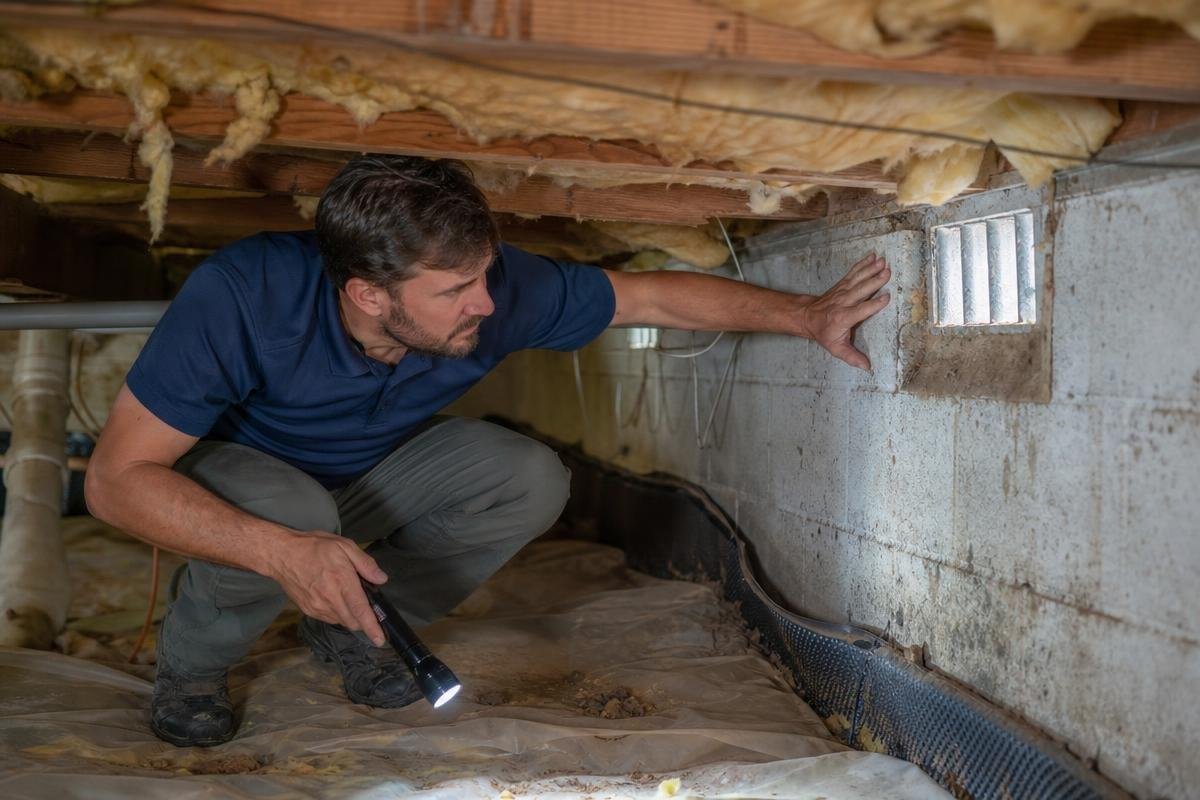
One property stays dry through winter while another collects damp soil and standing water after a single storm. The difference is often the layout of the lot, roof drainage, soil conditions, and the route water follows across the property, not simply the age of the house.
Redwood Valley, Calpella, Potter Valley, and Ukiah properties can drain very differently. Valley-floor homes may contend with water lingering on flatter ground, while hillside or bench properties can receive runoff moving downhill toward the structure. Lot slope, nearby hardscape, crawl-space elevation, roof runoff, irrigation, and neglected drains all change where excess water goes.
A downspout that empties beside the foundation can create the same damp conditions as a groundwater problem. A sump pump may help when water is collecting at the lowest point, but downspout routing, grading corrections, or drainage improvements may be the first fix.
Groundwater usually enters from below or through foundation openings. Surface runoff often appears after rain or irrigation. A hidden plumbing leak can keep the area wet even during dry weather, while a sewer backup may bring odor, dark water, or slow drains inside.
Those causes need different repairs. We may recommend leak repair services, drain work, or sewer line services before recommending a pump. That diagnosis supports real basement flooding prevention instead of adding equipment that does not address the source.
An inspection helps us trace where the water starts, how it moves, and what changes after rain or irrigation. We check visible piping, drainage paths, crawl-space conditions, and signs of backup or leakage.
If you need a sump pump, the recommendation should match the water source, basin location, power needs, and discharge route. Contact our team for sump pump installation guidance in Ukiah and nearby Mendocino County communities.
No. A sump pump may be appropriate when water repeatedly collects at a low point and source-control or drainage measures alone cannot manage it. Lot slope, roof runoff, irrigation, and crawl-space elevation all affect the answer.
Not by itself. A sump pump removes collected water, but drainage and moisture-control work may also be necessary. The discharge line must send water away from the home, not back toward the foundation.
Leak detection can separate a plumbing leak from groundwater or surface runoff. A technician can inspect supply lines, drain piping, and water patterns before recommending leak repair services or a pump.
It depends. A battery backup can keep a pump operating during an outage, but whether you should add one depends on the property and the consequences of a power failure. The battery, pump capacity, and discharge routing must be selected and maintained for your property.
Follow the manufacturer’s testing schedule, and test it by slowly adding water to the basin and confirming the float activates, the pump runs, and water exits outside. Test again before the rainy season and after any repair. If water keeps collecting under your home, your pump will not turn on, or the basin fills faster than it empties, call AAA Organized Plumbing at (707) 621-8282. Our team provides sump pump installation in Ukiah, plus 24/7 emergency plumbing help from 1252 Airport Park Blvd STE A4, Ukiah, CA 95482.
Call (707) 621-8282 to schedule an assessment for recurring moisture, a failed pump, or water collecting below your home. We can help Ukiah and nearby Mendocino County property owners identify the source, evaluate drainage and discharge options, and choose the right next step for their needs. Reach out today to request a sump pump and drainage assessment.
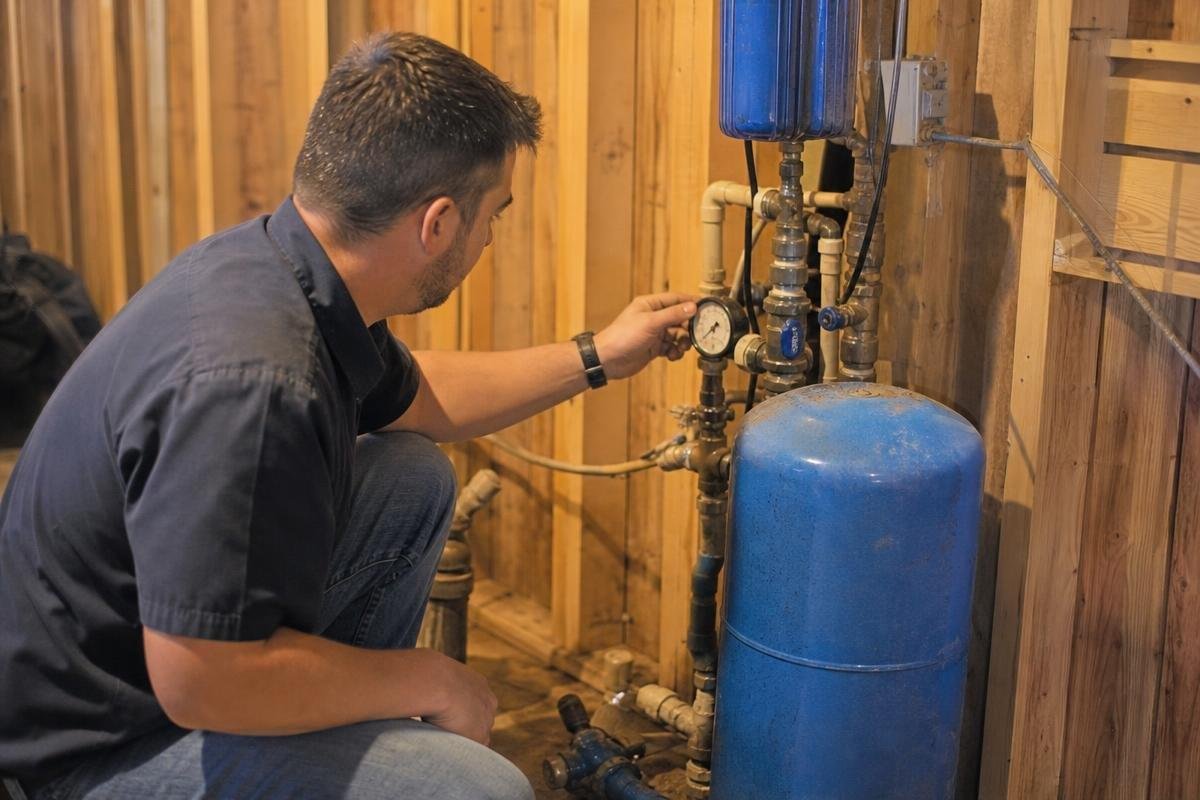
You may need well pump repair in Ukiah when your faucets sputter, the shower loses pressure, or water stops throughout the house. On private well properties in and around Ukiah, including rural areas such as Redwood Valley, these symptoms may involve the well pump, pressure tank, controls, a supply-line leak, or the well’s available water.…
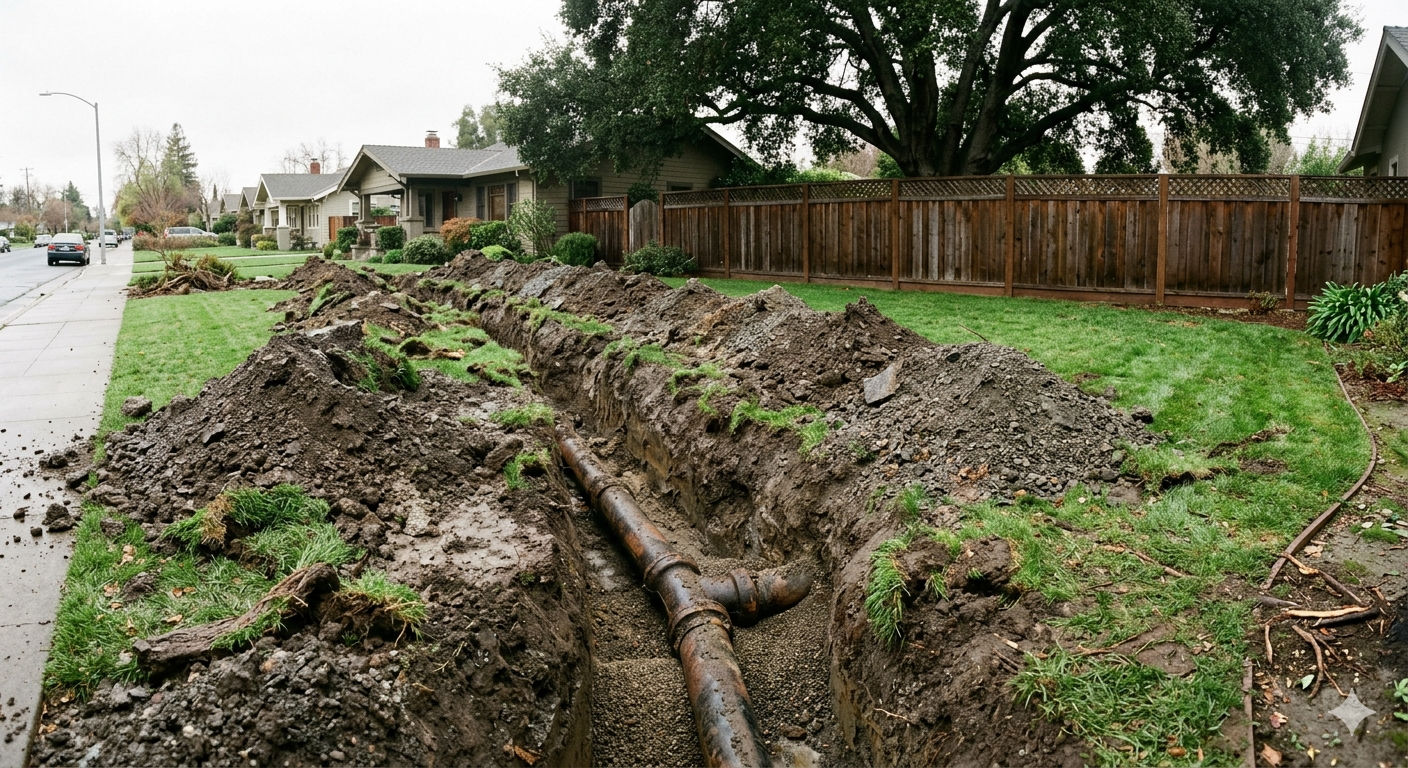
A failing sewer line forces a decision most homeowners are not prepared to make quickly. The pipe is underground, you cannot see it, and two very different repair approaches are on the table. One involves digging a trench across your yard. The other threads a solution through the existing pipe without disturbing the surface above…
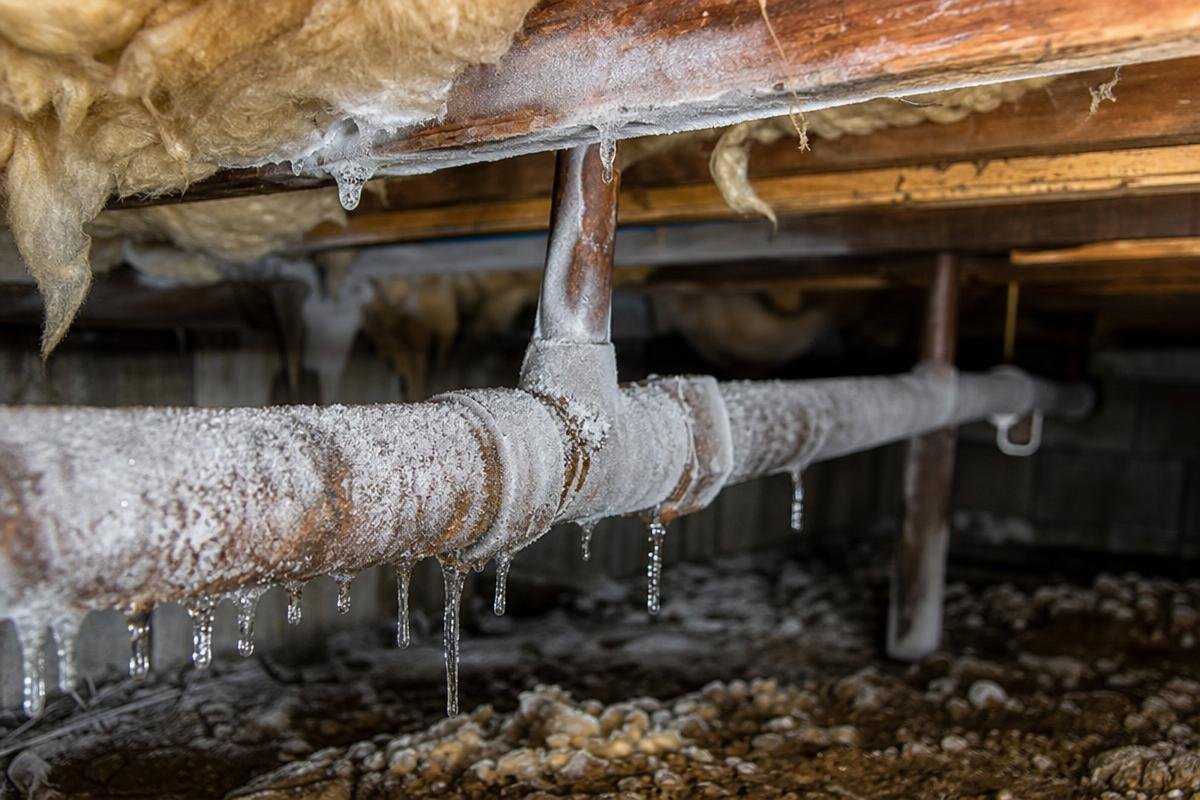
Ukiah winters catch a lot of homeowners off guard. Overnight lows in the upper 20s are common through the heart of winter, and homes built in the mid-20th century often have pipes running through uninsulated crawl spaces and exterior walls with almost no cold protection. Frozen pipes prevention is not complicated, but the mistakes that…
