
Ukiah and the broader Mendocino County area have a significant share of mid-century housing stock, much of it originally plumbed with galvanized steel that was standard through the 1970s. Those pipes were built to last, but not forever. After 50 or more years of carrying water through mineral-rich local supplies, they corrode from the inside out, and the problems that follow are hard to ignore once they start.
Knowing the warning signs early can save you from a burst pipe, a flooded room, or years of mounting repair bills. Below are the five most common indicators that a whole-house repipe is the right move, along with a clear picture of what the process involves.
Brown, orange, or reddish water is one of the clearest signals that galvanized steel pipes are corroding from the inside. The discoloration comes from iron oxide, or rust, flaking off the pipe walls and entering the water stream. You may notice it most strongly in the morning or after a period when water has been sitting still in the lines.
If flushing the tap for a minute clears the color and the problem seems limited to one fixture, the source might be localized, possibly a water heater. Our water heater services can help sort that out.
But if rust-colored water appears consistently from multiple taps on both hot and cold lines, the problem runs through the whole supply system. That is a systemic issue, not a one-fixture repair.
Beyond the aesthetics, corroding galvanized pipes can introduce elevated iron levels that stain sinks, toilets, and laundry, and in older homes with mixed materials, there is added concern about lead-containing fittings that may accompany the original steel piping.
Galvanized steel corrodes from the inside out, and as it does, mineral deposits and rust accumulate on the interior walls. Over decades, that buildup narrows the effective diameter of the pipe, reducing water flow to a fraction of what it should be. The result is weak pressure at the showerhead, sluggish faucets, and appliances like dishwashers and washing machines that take much longer to fill than they used to.
Uneven pressure is a particularly telling sign. If pressure is strong at one end of the house and barely adequate at the other, it often means the restriction is not uniform, pointing to advanced corrosion concentrated in specific runs of pipe rather than a single obstruction that can be cleared.
Low pressure is not always a pipe issue. Before assuming the worst, a licensed Ukiah plumber can inspect the system and confirm whether the pressure drop is coming from the pipes, the pressure regulator, or a supply issue. If corrosion is confirmed throughout the lines, repiping is the only durable fix.
A single leak in a specific fitting or joint is often a localized repair. But when leaks start appearing in different rooms, on different fixtures, or at irregular intervals over months, that pattern tells a different story. It means the pipes themselves are failing, not isolated connections.
Older galvanized steel and polybutylene pipes develop pinhole leaks and small fractures as corrosion eats through the pipe walls. Each patch you make buys some time, but the underlying material continues to degrade. You may find yourself calling for leak repair three or four times a year, spending several hundred dollars each visit, and still facing a system that will keep failing.
Hidden leaks are the more serious concern. Pipes running inside walls or below floors can seep slowly for months before visible water damage appears. By the time staining shows up on a ceiling or a wall feels soft to the touch, mold may already be growing behind the surface. If you suspect underground water leaks in Ukiah or hidden leaks inside your structure, get a professional inspection as soon as possible.
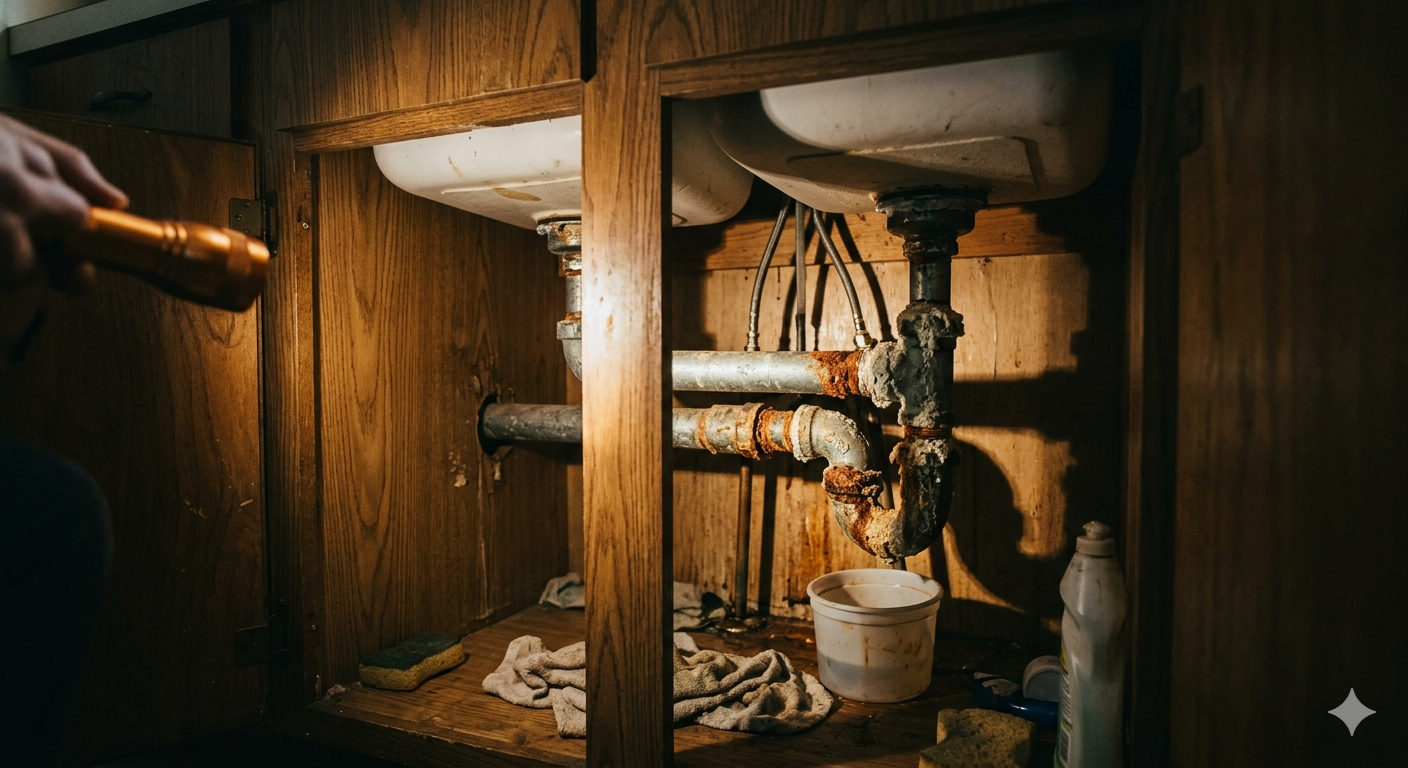
Not all signs require opening a wall. Where pipes are accessible, such as under sinks, in utility rooms, crawl spaces, or near the water heater, a visual inspection can reveal a great deal about the condition of the rest of the system.
On copper pipes, look for blue-green staining or powdery deposits around fittings and joints. That discoloration indicates active corrosion and often accompanies pinhole leaks that have not yet caused visible water damage. On galvanized steel, orange or brown streaking along the pipe surface signals oxidation on the exterior, which usually reflects a more severe deterioration inside. White or yellowish mineral crusting around fittings points to ongoing micro-leakage.
Finding any one of these signs at a single location is worth monitoring. Finding them at multiple points throughout the accessible plumbing is a strong indicator that the entire system has reached the same stage of deterioration. What you see under the sink is generally representative of what you cannot see inside the walls.
Galvanized steel pipes typically have a service life between 40 and 70 years, depending on water chemistry, installation quality, and whether the lines run through damp conditions. Much of Ukiah’s housing stock from the 1940s through the 1970s was plumbed with galvanized steel as the standard material of the era. If your home was built during that period and has never been repiped, the original supply lines are now well past their designed lifespan.
This applies even when the symptoms above are mild or absent. Pipes that look tolerable on the outside can be heavily restricted or structurally thin on the inside. Age alone is a meaningful risk factor, and proactive replacement avoids the scenario where a pipe fails catastrophically rather than giving you gradual warning signs.
Homes built in the 1980s with polybutylene pipes face a different but equally serious problem. That material was widely used through the early 1990s before it was found to degrade when exposed to chlorine compounds in municipal water, causing unexpected failures. If your home is in that construction window and still has the original gray plastic supply lines, replacement is strongly recommended regardless of whether you have noticed problems yet.
A whole-house repipe typically takes between three and seven days for a single-family home, depending on size, layout, and how accessible the existing pipes are. Work happens in stages, and a professional crew will try to maintain water access to at least part of the home throughout most of the project, switching to the new system at the end when everything has been installed and tested.
The two most common modern materials used in residential repiping are PEX and copper. PEX, cross-linked polyethylene, is flexible, corrosion-resistant, and significantly faster to install, which reduces labor costs. Copper has a longer track record and is preferred in some local markets or by homeowners who want the most proven material. Both are durable, safe options for potable water supply lines. A licensed plumber can walk you through which makes more sense for your home’s layout and your budget.
This is the part most homeowners are concerned about. Some drywall access is usually necessary, particularly in homes where pipes run inside walls rather than through attics or crawl spaces. A reputable contractor makes targeted, clean cuts rather than opening large sections, protects flooring and furniture, and restores the openings before the job is complete. In homes with accessible attic or crawl space runs, wall cuts can often be minimized.
Once the new lines are installed, the system is pressure-tested before water is restored. You can expect noticeably improved water pressure, clear water from every tap, and no more recurring leak calls. The new piping also adds value if you plan to sell, removing a common inspection flag on older Ukiah homes.
If a pipe has already failed and you need immediate help, our emergency plumbing team is available to respond quickly. For issues that may also involve your drain lines, it is worth reviewing the 7 signs of a clogged sewer line in Ukiah we see most often in Ukiah homes. For homes where past leaks have left crawl spaces vulnerable to moisture, sump pump installation is often a smart addition to a full repipe project.
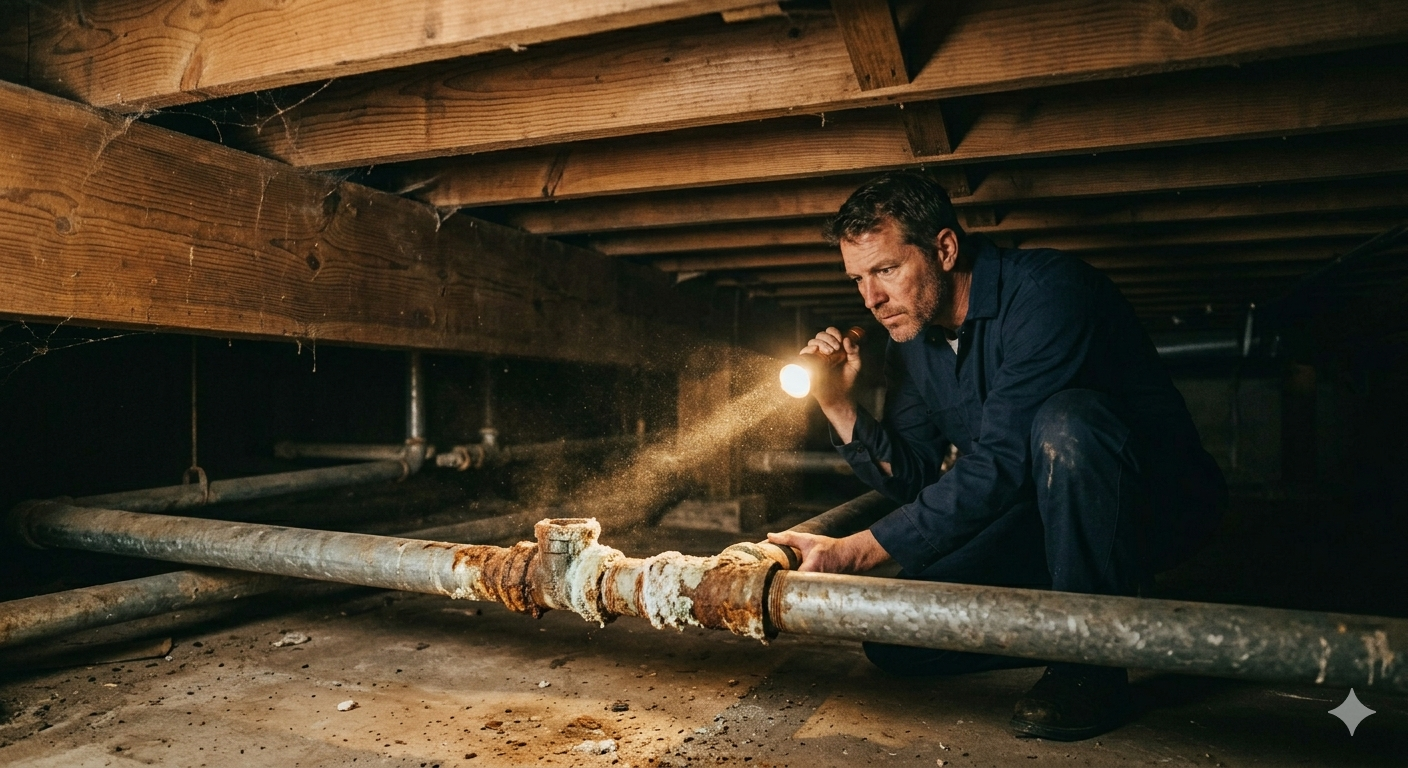
Galvanized pipes are steel-gray in color and magnetic. Hold a magnet to any exposed pipe, typically under a sink or near the water heater. If it sticks, you likely have galvanized steel. Copper pipes are reddish-brown and non-magnetic. PEX is flexible and usually gray, white, or color-coded red and blue.
Yes, partial repiping is an option when only a section of pipe is failing, or when the goal is to reroute around a specific problem area. However, if multiple signs of degradation appear throughout the home, partial repiping often provides temporary relief while leaving the underlying issue in place. A full inspection helps determine whether targeted or whole-house replacement is the more cost-effective path.
Most whole-house repiping projects in Ukiah are completed within two to four days, depending on the size of the home and the number of fixtures. Our team works efficiently to minimize disruption, and we walk you through the timeline before work begins so you can plan accordingly.
A skilled crew works to keep water available to at least part of the home throughout the project. Full water shutoff, when needed, is typically limited to specific work phases. You will be briefed on the schedule before the job begins so you can plan for bathroom use, cooking, and showering during the process.
Yes. Whole-house repiping is a permitted project in Mendocino County. A licensed contractor will pull the required permit and schedule inspections as part of the job. Permitted work protects you if you sell the home, as a documented repipe with a passed inspection is a material disclosure item that buyers and their agents look for.
PEX piping carries an expected service life of 25 to 50 years under normal conditions, with many manufacturers offering longer warranties. Copper can last 50 years or more. Either option significantly outlasts the galvanized steel or polybutylene it replaces, and both materials resist the internal corrosion that shortens the life of older pipe types.
If your home is showing any of the signs above, or if you are not sure what you have behind your walls, a professional inspection is the right starting point. Our team provides thorough assessments and honest recommendations, whether that means a full repipe, a targeted repair, or confirmation that your system is in better shape than you feared.
Contact AAA Organized Plumbing or call us at (707) 621-8282 to schedule your assessment or request a callback before booking.
AAA Organized Plumbing is a licensed plumbing contractor serving Ukiah and communities throughout Mendocino County. The team handles everything from routine repairs to full residential repiping, with a focus on clear communication, proper permits, and work that holds up over time. Whether you need a same-day Ukiah plumber or a comprehensive assessment of aging supply lines, AAA Organized Plumbing brings the expertise and local knowledge to get it done right.
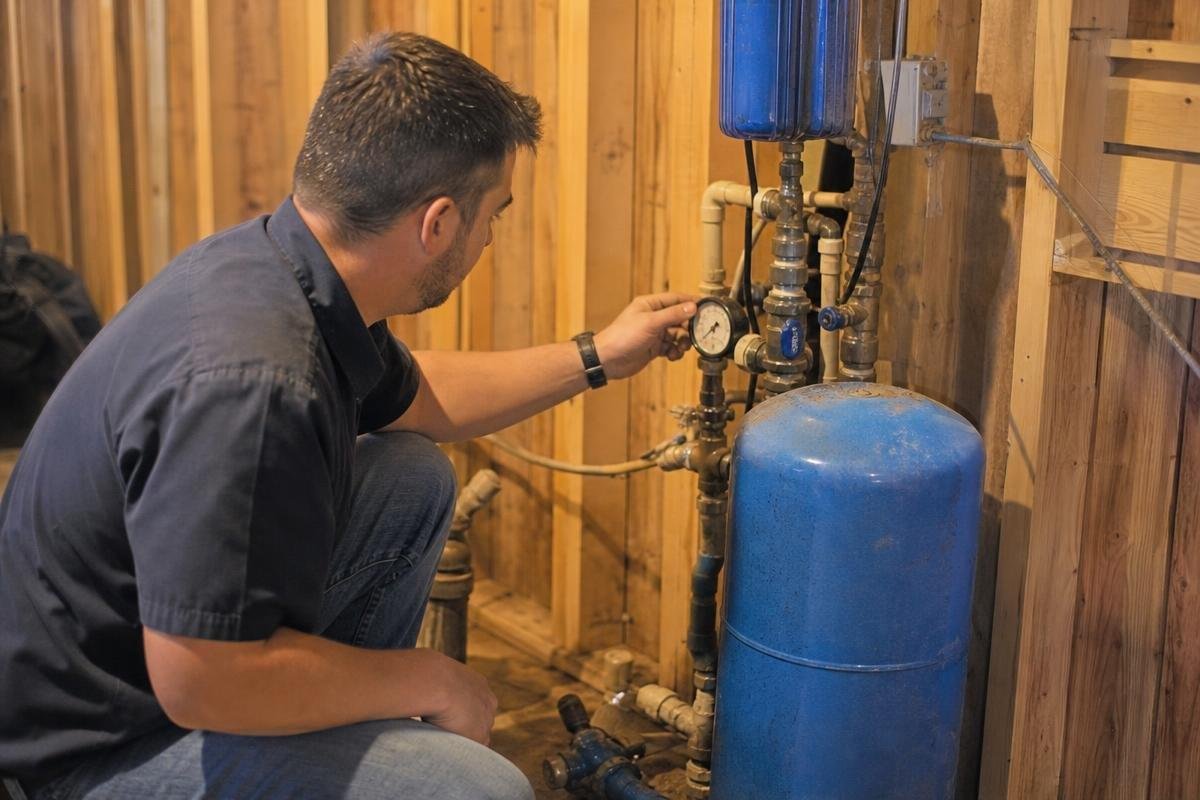
You may need well pump repair in Ukiah when your faucets sputter, the shower loses pressure, or water stops throughout the house. On private well properties in and around Ukiah, including rural areas such as Redwood Valley, these symptoms may involve the well pump, pressure tank, controls, a supply-line leak, or the well’s available water.…
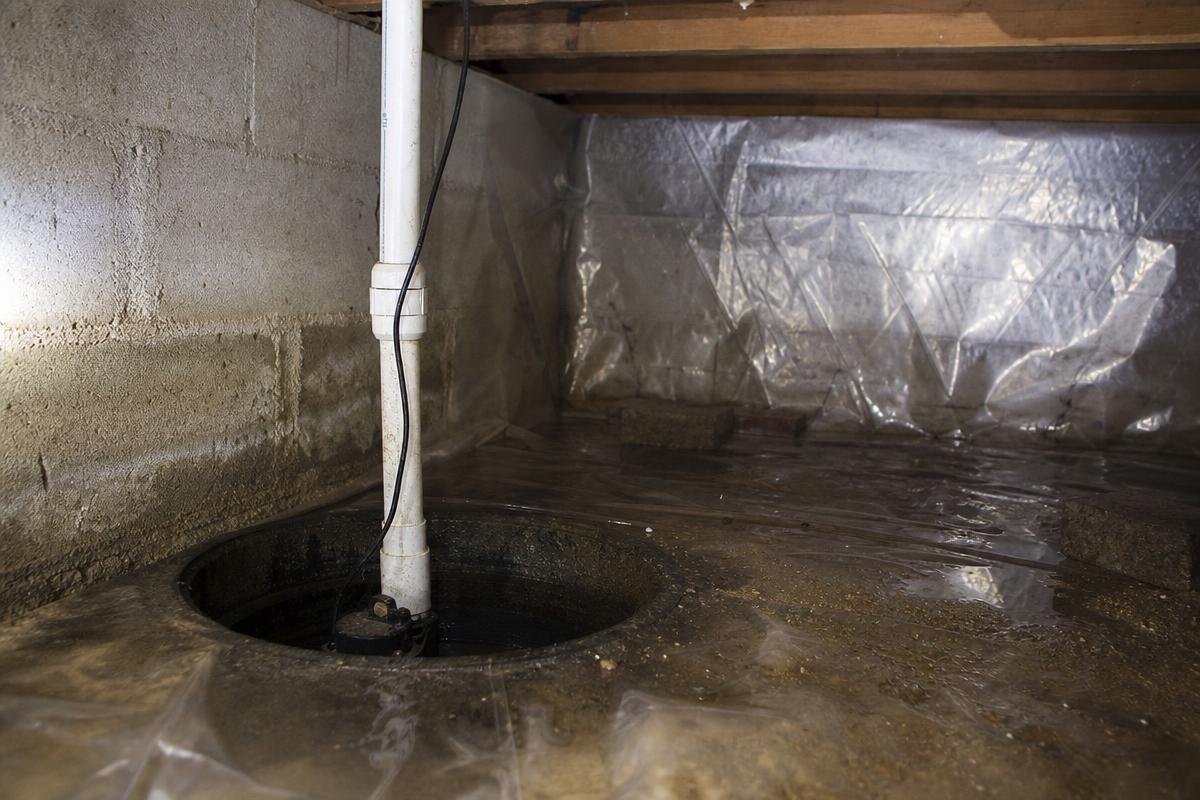
Water stains on a crawl-space wall, a damp smell after hard rain, or water collecting near the foundation can mean you need a sump pump. In Ukiah and nearby Mendocino County communities, winter storms, hillside runoff, valley-floor drainage patterns, irrigation, and downspouts that empty too close to the house can all contribute. AAA Organized Plumbing…
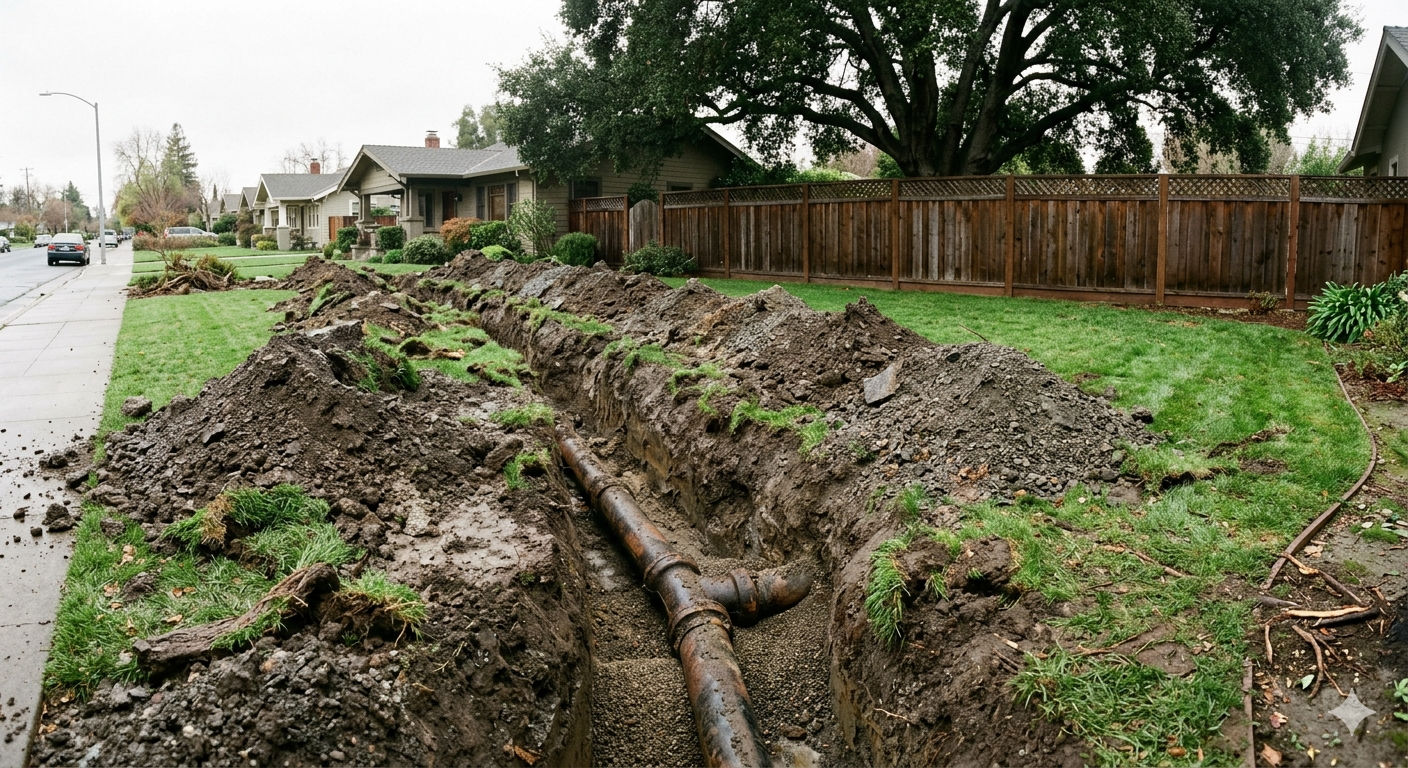
A failing sewer line forces a decision most homeowners are not prepared to make quickly. The pipe is underground, you cannot see it, and two very different repair approaches are on the table. One involves digging a trench across your yard. The other threads a solution through the existing pipe without disturbing the surface above…
