
Every year, homeowners across Napa, St. Helena, Yountville, and Calistoga receive a notice from their water provider reminding them to schedule their annual backflow preventer test. Most file it away and forget it. Some are not entirely sure what a backflow preventer is, let alone why it needs testing every twelve months.
The notice is not optional. Backflow testing is a legal requirement under both California state law and City of Napa regulations, and skipping it carries real consequences, from fees billed directly to your water account to potential service interruption. More to the point, a failed backflow preventer can allow contaminated water to reverse course and enter your home’s drinking supply, or in a worst-case scenario, affect neighbors connected to the same main.
Napa Valley’s particular mix of older homes, active irrigation systems, and agricultural surroundings makes this more than a bureaucratic checkbox. Here is what the requirement actually means, what the test involves, and what you need to do to stay compliant.
Your home’s plumbing system is designed to move water in one direction: from the municipal supply main, through your meter, and into your home. Backflow is what happens when that direction reverses, when water flows backward from your property into the public water supply.
Two conditions cause it. The first is backsiphonage, which occurs when pressure in the main drops suddenly, typically due to a main break, heavy demand from a nearby fire hydrant, or a pump failure. The drop creates a vacuum effect that pulls water backward from connected properties. The second is backpressure, which occurs when the pressure on your property’s side exceeds the supply pressure, common in homes with booster pumps, elevated irrigation systems, or heated water systems.
The concern is what gets pulled back with the water. Irrigation lines run through soil that contains fertilizers, pesticides, and bacteria. Older homes may have hose connections near chemicals or garden treatments. In agricultural Napa Valley, where properties often border vineyards and use fertilizer-fed drip systems, the contamination potential is higher than in a typical suburban neighborhood. A functioning backflow preventer stops any reverse flow before it reaches the main. A failed one does not.
Backflow prevention in California is governed by the California Code of Regulations, Title 17, Article 2, Section 7605. The law requires that backflow prevention devices be tested at least once per year by a certified tester, covering all devices that protect the public drinking water supply.
The City of Napa enforces this at the local level with its own backflow prevention program. All installed backflow prevention devices must be tested annually by a certified backflow prevention tester and immediately repaired if necessary. Notifications are sent to water customers each year regarding this testing requirement. Napa The responsibility for scheduling and paying for the test falls entirely on the property owner, not the water utility.
As of July 1, 2025, every backflow tester in California must be certified by a Water Board-recognized group, which requires passing both written and hands-on exams. That means you cannot simply hire a general handyman or an uncertified contractor to run the test and submit the results. The tester must hold current state certification, and the results must be filed with the water authority.
The testing window and submission deadline varies slightly by jurisdiction within the valley. When you receive your annual notice, it will include a deadline date. Most water districts want results submitted before the specified due date, with the tester typically filing the report directly on your behalf, though you should always ask for a copy for your own records.
Not all backflow preventers are the same, and the type installed on your property determines the level of protection it provides and what the test procedure involves.
The RPZ is the most common device found on domestic water service connections in Napa Valley and the type the City of Napa most frequently requires. It contains two independently operating check valves with a differential pressure relief valve between them. The relief valve opens to release water if pressure inside the zone rises in a way that could cause backflow. This makes the RPZ the highest-protection device available for residential use and the one required in situations where contamination risk is considered significant.
RPZ assemblies must be installed above ground, which means you have likely seen yours near your water meter or along an exterior wall. The relief valve will occasionally discharge a small amount of water during normal operation, this is not a malfunction. It is the device working as designed.
The double check valve uses two spring-loaded check valves in series to stop reverse flow. DCVAs work well for moderate hazard situations and are commonly used in irrigation systems and fire sprinkler systems. Unlike the RPZ, the double check has no relief valve, making it a closed system. It can be installed below ground in some jurisdictions, which is why you may not realize you have one, it may be in a ground-level box near your irrigation connection.
The PVB is the most common device on residential irrigation-only lines. It consists of an inlet shutoff valve, a single valve body with a pressure vacuum breaker, a check valve, two test cocks, and an outlet shutoff valve. Sprinkler School PVBs must be installed at least twelve inches above the highest point in the irrigation system they protect. They are simpler and less expensive than RPZ devices but offer a lower level of protection, which is appropriate for standard residential irrigation applications without elevated hazard conditions.
If your property has both a domestic water connection and a separate irrigation line, you may have two different devices, one for each connection, each requiring its own annual test.
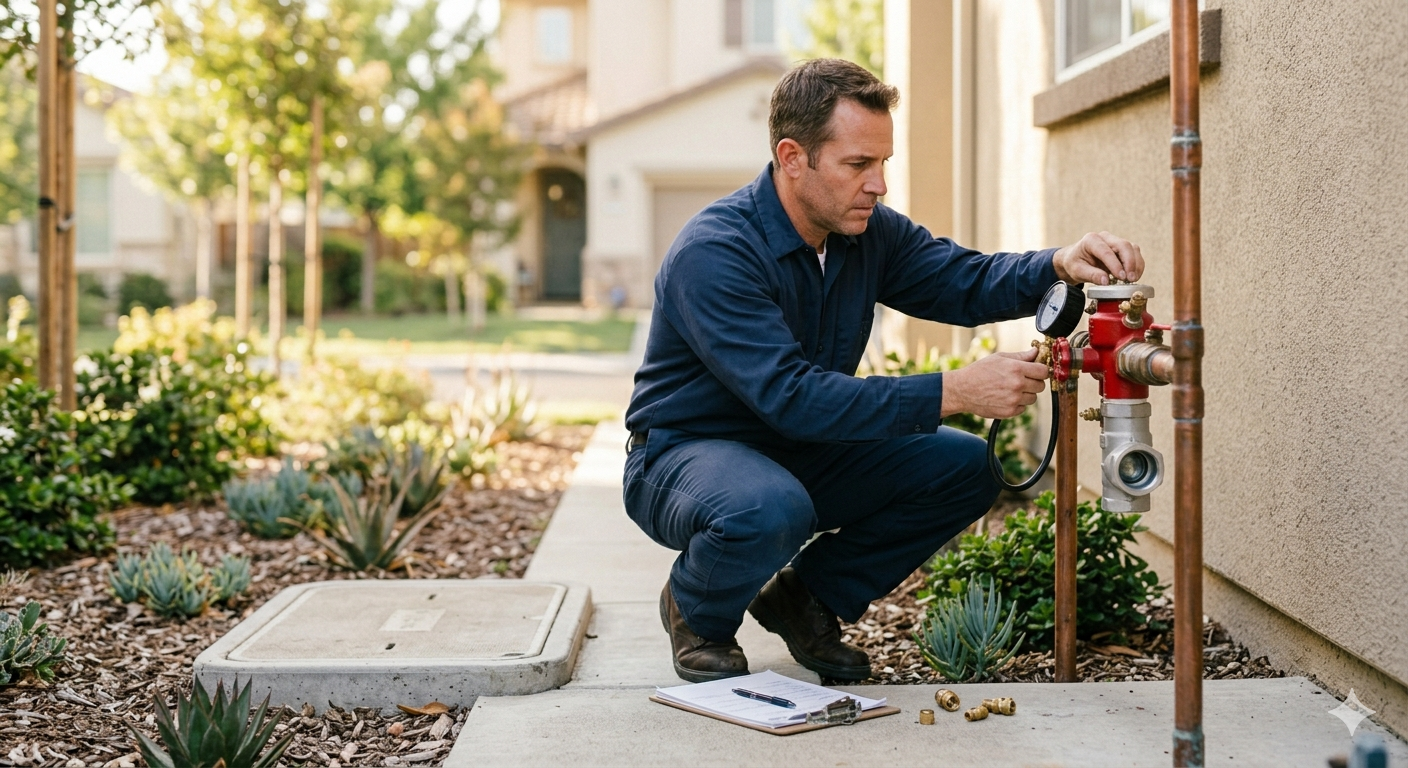
A certified backflow test is not an involved procedure for the homeowner. The tester handles everything, and most residential tests take under 30 minutes from arrival to completion.
The tester will locate the device, attach calibrated differential pressure gauges to the test cocks on the assembly, and measure how each internal component responds under controlled conditions. For an RPZ, this means verifying that both check valves hold under pressure and that the relief valve opens at the correct differential. For a double check valve, both check valves are tested independently. For a PVB, the air inlet valve and check valve are both checked.
The water utility will typically mail both a written notice and a backflow test form to each affected customer when it is time for the annual test. Los Angeles County You provide that form to your tester before the appointment. After completing the test, the tester fills out the form, notes the results for each component, signs it, and submits it to the water authority. If everything passes, you receive a copy and your compliance is logged for the year.
If the device fails, the tester will document which component did not meet the required threshold. A common failure is a check valve that does not hold pressure properly due to debris, worn seals, or age. In many cases, a failed component can be repaired on the spot or shortly after, new seals, a cleaned valve seat, or a replaced check valve module. If the device itself has deteriorated beyond repair, full replacement is necessary before the water authority will log compliance.
A failed test is not something to ignore. The water meter may be locked in position until passing results are received, meaning water service is suspended until the device is repaired and retested. Our leak repair team can assess any associated plumbing concerns discovered during or after a backflow inspection.
Missing the deadline on your backflow test notice is not a situation that resolves itself quietly. Failure to comply with annual testing will result in a red tag notice and require the City to dispatch a certified tester, resulting in a fee charged on the water customer’s bill. That fee is typically higher than what a private certified tester charges, so non-compliance ends up costing more than simply scheduling the test on time.
Beyond the fee, persistent non-compliance can escalate to water service interruption. Water service interruption is possible for persistent violations, and some water districts may add testing fees directly to your water bill if you miss deadlines.
There is also a liability consideration. If a backflow event occurs and it is later established that your preventer was untested and non-functional, the property owner bears responsibility for any resulting contamination. In a valley where properties sit close together and share water mains, that is not a theoretical concern.
If you have received a notice and are past the deadline, the right step is to schedule a certified test immediately rather than waiting for a red tag. A Napa plumber with backflow certification can often accommodate same-week appointments for compliance testing. For related plumbing issues, our team also handles drain cleaning in Napa, CA and provides emergency plumbing in Napa, CA around the clock.
Annual testing confirms that the device is working. A few simple habits protect it in the months between tests.
If water quality concerns have come up alongside backflow issues, our water treatment services can assess whether additional filtration or treatment is appropriate for your property.

The property owner bears full responsibility for both. The water utility sends a notice and provides the test form, but it does not schedule or pay for the test on your behalf. You contract a certified tester, provide the form, and ensure results are submitted before the deadline. If you miss the deadline, the City may dispatch its own tester at a higher fee and bill it directly to your water account.
Start by locating the device, most are installed near the water meter, along an exterior wall, or inside an irrigation valve box near the property line. An RPZ assembly is the largest of the common types and has a visible relief valve on its body. A pressure vacuum breaker is smaller and typically installed vertically on an irrigation line. A double check valve assembly often sits in a ground-level box and has no external relief valve. If you are unsure, a certified Napa plumber can identify the device type and tell you what test and repair history, if any, is on file with the water authority.
Most residential backflow tests take between 20 and 30 minutes. The tester attaches calibrated gauges, checks each internal component, documents the results, and completes the paperwork. You do not need to be present for the test itself, though you do need to ensure the tester has access to the device and that the water is on.
The tester documents which component failed and what the measured reading was. In many cases, a failed check valve or worn seal can be repaired during the same visit or shortly after with a repair kit. If the device is old and beyond repair, a replacement unit must be installed and then retested before compliance is logged. Do not use your irrigation system or the affected water line between a failed test and the completed repair, as the device is not providing the protection required.
The annual testing requirement applies across Napa Valley, but the specific enforcement program, notice schedule, and fee structure may vary by water district. St. Helena, Yountville, American Canyon, and unincorporated Napa County areas each have their own water service providers, though all follow California Title 17 as the baseline. Check the notice you received for the name of your water district and its specific deadline and submission instructions.
No. California law requires that backflow preventer testing be performed by a certified tester using calibrated gauges. Self-testing is not recognized by water authorities, and self-reported results will not be accepted for compliance purposes. The certification requirement exists because an inaccurate test provides a false sense of security, a device that appears functional to the untrained eye may be failing under the precise pressure thresholds the test is designed to detect.
If you have received an annual notice and need to schedule your test, or if your device failed a recent inspection and needs repair or replacement, our team is ready to help. We serve homeowners throughout Napa Valley, including Napa, St. Helena, Yountville, and Calistoga.
Contact AAA Organized Plumbing or call us at (707) 320-5800 to schedule your backflow test or request a same-day callback.
AAA Organized Plumbing is a licensed plumbing contractor serving communities throughout Napa Valley and the greater North Bay region. From backflow testing and preventer repair to full residential plumbing services, the team brings certified expertise and clear communication to every job. Whether you are in Napa, Yountville, or anywhere in between, AAA Organized Plumbing is the local team you can count on to keep your home’s water system safe, compliant, and working right.
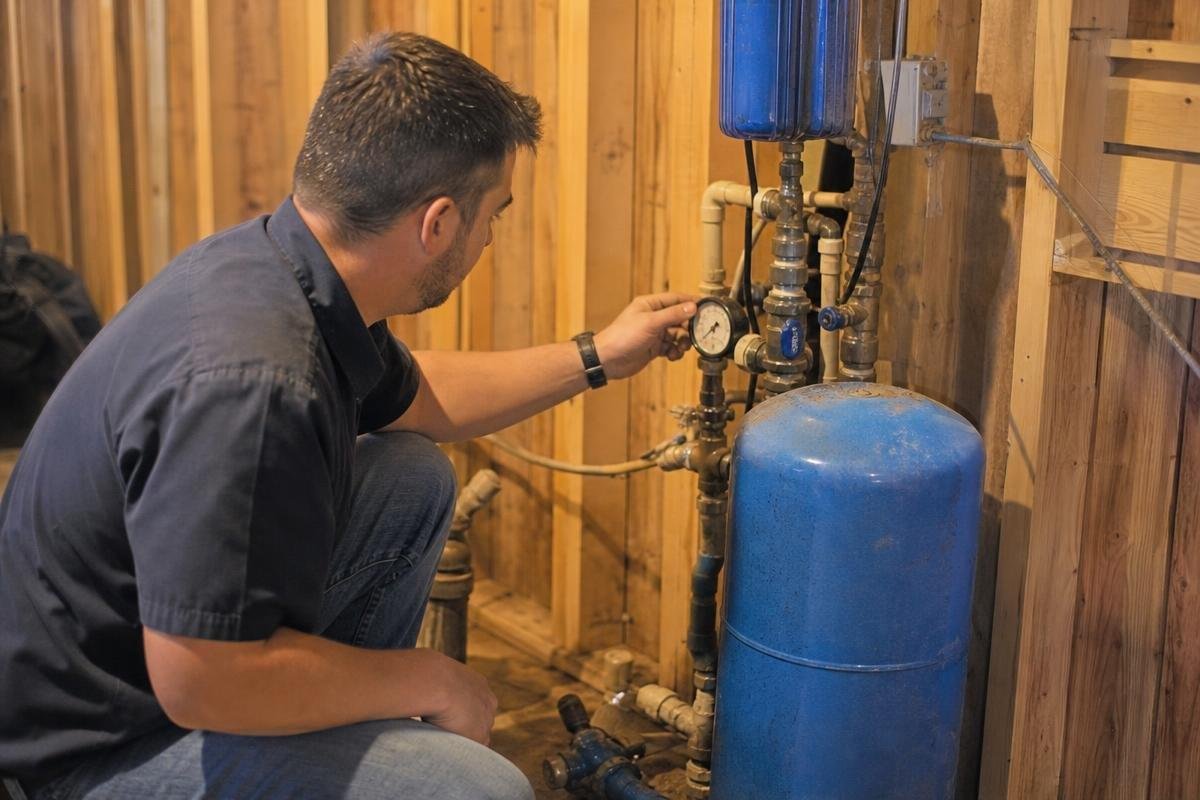
You may need well pump repair in Ukiah when your faucets sputter, the shower loses pressure, or water stops throughout the house. On private well properties in and around Ukiah, including rural areas such as Redwood Valley, these symptoms may involve the well pump, pressure tank, controls, a supply-line leak, or the well’s available water.…
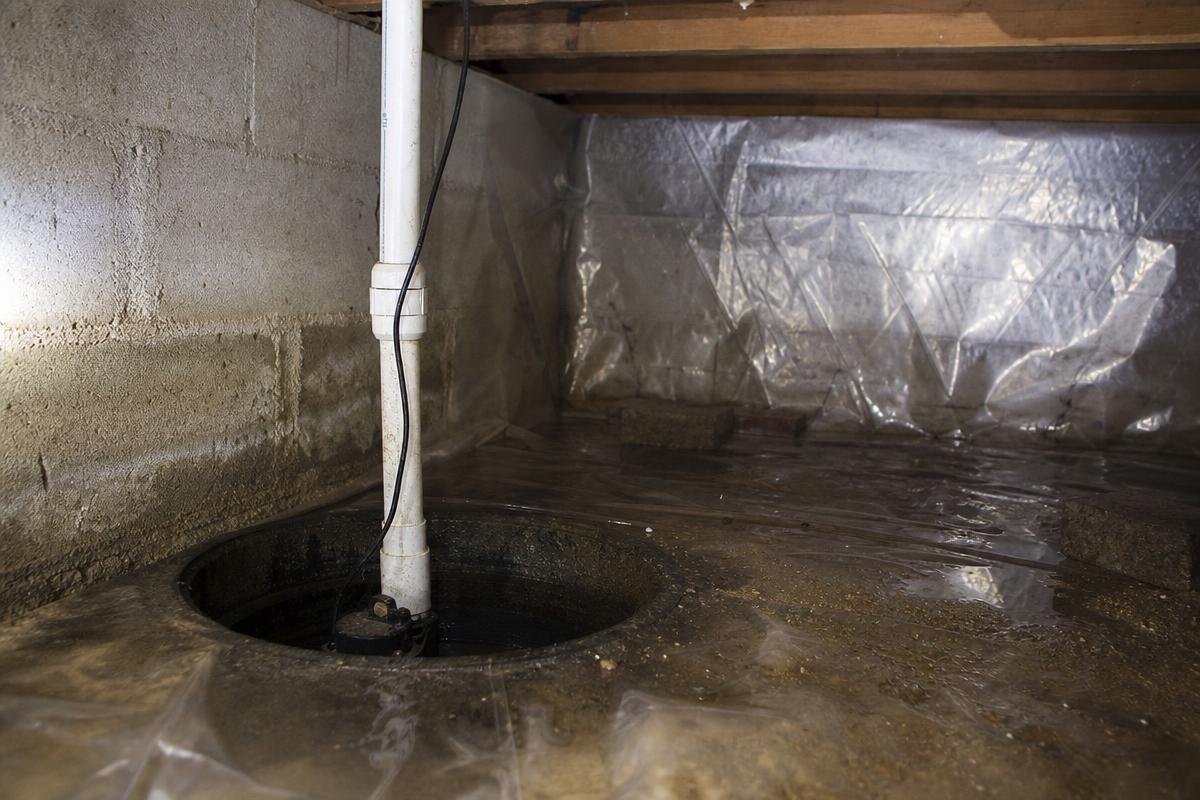
Water stains on a crawl-space wall, a damp smell after hard rain, or water collecting near the foundation can mean you need a sump pump. In Ukiah and nearby Mendocino County communities, winter storms, hillside runoff, valley-floor drainage patterns, irrigation, and downspouts that empty too close to the house can all contribute. AAA Organized Plumbing…
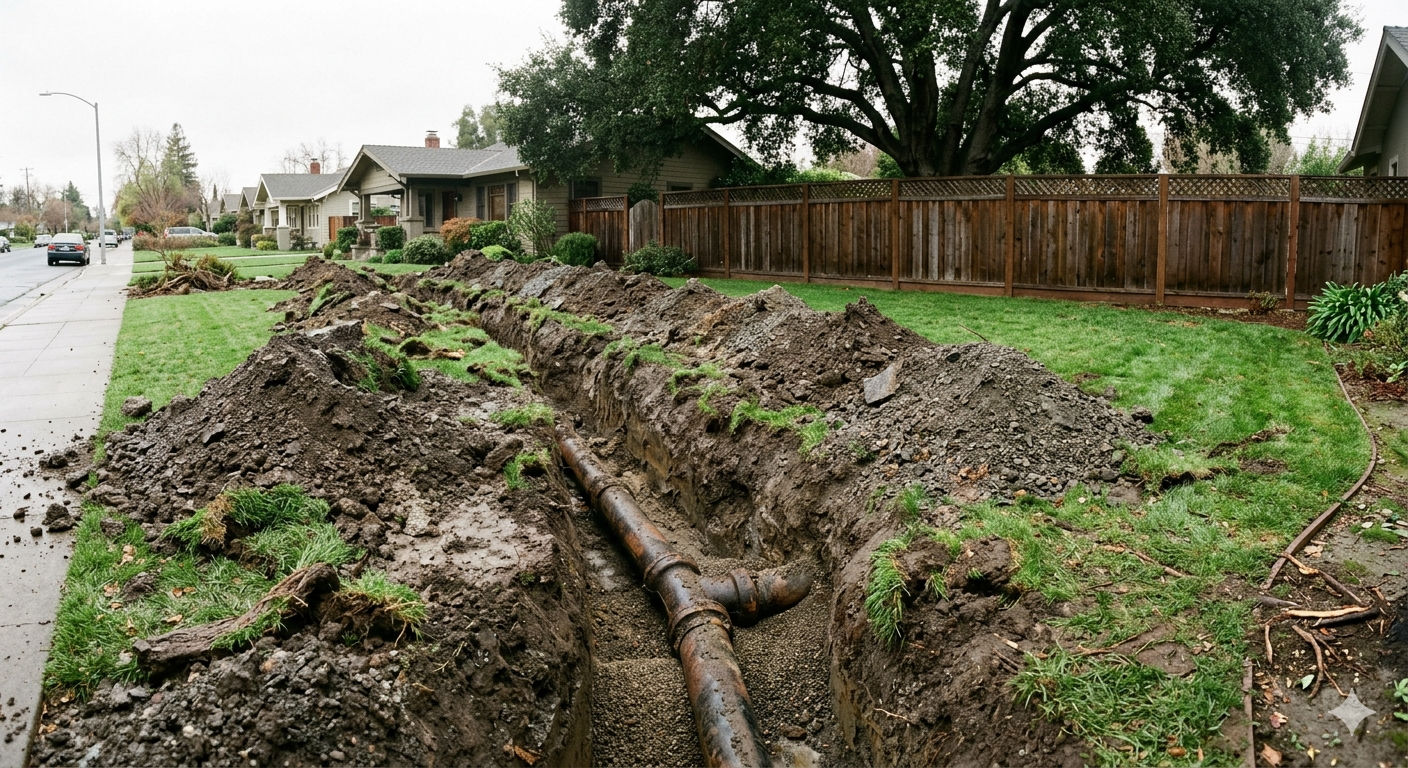
A failing sewer line forces a decision most homeowners are not prepared to make quickly. The pipe is underground, you cannot see it, and two very different repair approaches are on the table. One involves digging a trench across your yard. The other threads a solution through the existing pipe without disturbing the surface above…
