
The white crust around your showerhead. The chalky ring inside your toilet bowl. The water heater that rumbles when it fires up. Most Mendocino County homeowners chalk these up to normal aging or routine maintenance issues. They are not. They are symptoms of hard water working through your plumbing system, and left unaddressed, they add up to shortened appliance lifespans, higher energy bills, and plumbing repairs that could have been avoided.
Ukiah’s water measures 6.0 grains per gallon of hardness, placing it firmly in the moderately hard category. That number sits below the threshold of the most severe hard water problems, but it is more than enough to cause measurable, cumulative damage to pipes, water heaters, fixtures, and appliances over the years a typical family lives in a home. Communities on private wells in areas like Redwood Valley, Calpella, and Potter Valley can see hardness levels that vary considerably depending on the local geology, sometimes running harder than the municipal supply.
Understanding what is in your water, where it comes from, and what it is quietly doing inside your plumbing is the first step toward protecting your home.
Hard water is not contaminated water. It is simply water that has absorbed elevated concentrations of dissolved minerals, primarily calcium and magnesium, as it moves through rock and soil on its way to your tap.
The Russian River watershed flows through the Ukiah Valley, where groundwater sources include alluvial deposits containing calcium-bicarbonate and magnesium-bicarbonate water. CA Lake Mendocino, fed by the East Fork of the Russian River, serves as the primary surface water source for Ukiah’s municipal supply. As water moves through this geology, it picks up calcium and magnesium carbonate compounds that remain dissolved and invisible until the water is heated or evaporates, at which point those minerals crystallize out of solution and deposit onto whatever surface they contact.
Water hardness is measured in grains per gallon or milligrams per liter. Water above 7 GPG is considered hard. At 6.0 GPG, Ukiah’s municipal water sits just below that threshold, in the moderately hard range. That distinction matters because it means the damage is real and progressive, but it also means that relatively modest interventions, a whole-home softener, regular water heater maintenance, annual drain cleaning, can significantly reduce the long-term impact without the more aggressive treatment required in areas with extremely hard water.
Homeowners on private wells in rural parts of Mendocino County should have their water tested independently, as well water hardness is highly localized and can exceed municipal levels significantly depending on the depth and formation of the aquifer.
The damage hard water does to pipes is not dramatic. There is no single event, no obvious failure. It is a slow, steady process of mineral accumulation that plays out over years, and by the time the symptoms become impossible to ignore, the buildup is already substantial.
Limescale gradually narrows the diameter of pipes, restricting water flow and reducing water pressure throughout the home. In severe cases, the scale can become so thick that it entirely blocks sections of piping, leading to clogs and potential water damage. Lab on Web
The timeline matters here. In the first two years, scale begins forming on the interior walls of pipes and water heater efficiency starts to drop, though pressure changes are not yet noticeable. Between two and five years, slight reductions in water pressure or sputtering faucets may appear, and faucet aerators may need frequent cleaning. After five or more years without water softening, scale buildup becomes significant, and in steel or galvanized pipes, corrosion can accelerate, leading to pinhole leaks. Thathvacguy
That last point deserves attention for Mendocino County homeowners specifically. The minerals in hard water can accelerate corrosion in metal pipes, leading to pinhole leaks and eventual pipe failure years earlier than expected, particularly in older homes with galvanized or copper plumbing. Thathvacguy A significant portion of Ukiah’s housing stock predates the 1980s, meaning galvanized steel supply lines are still in service in many homes. Hard water does not cause those pipes to fail on its own, but it does accelerate the process considerably.
If your home is already showing signs of pinhole leaks or recurring pressure issues in older pipes, the combination of age and hard water damage may mean that targeted leak repair is only a temporary fix. In those cases, a conversation about repiping is worth having before a failing section causes water damage behind a wall. For homes with crawl space plumbing, pairing that conversation with a look at sump pump installation adds another layer of protection against water accumulation from ongoing pipe leaks.
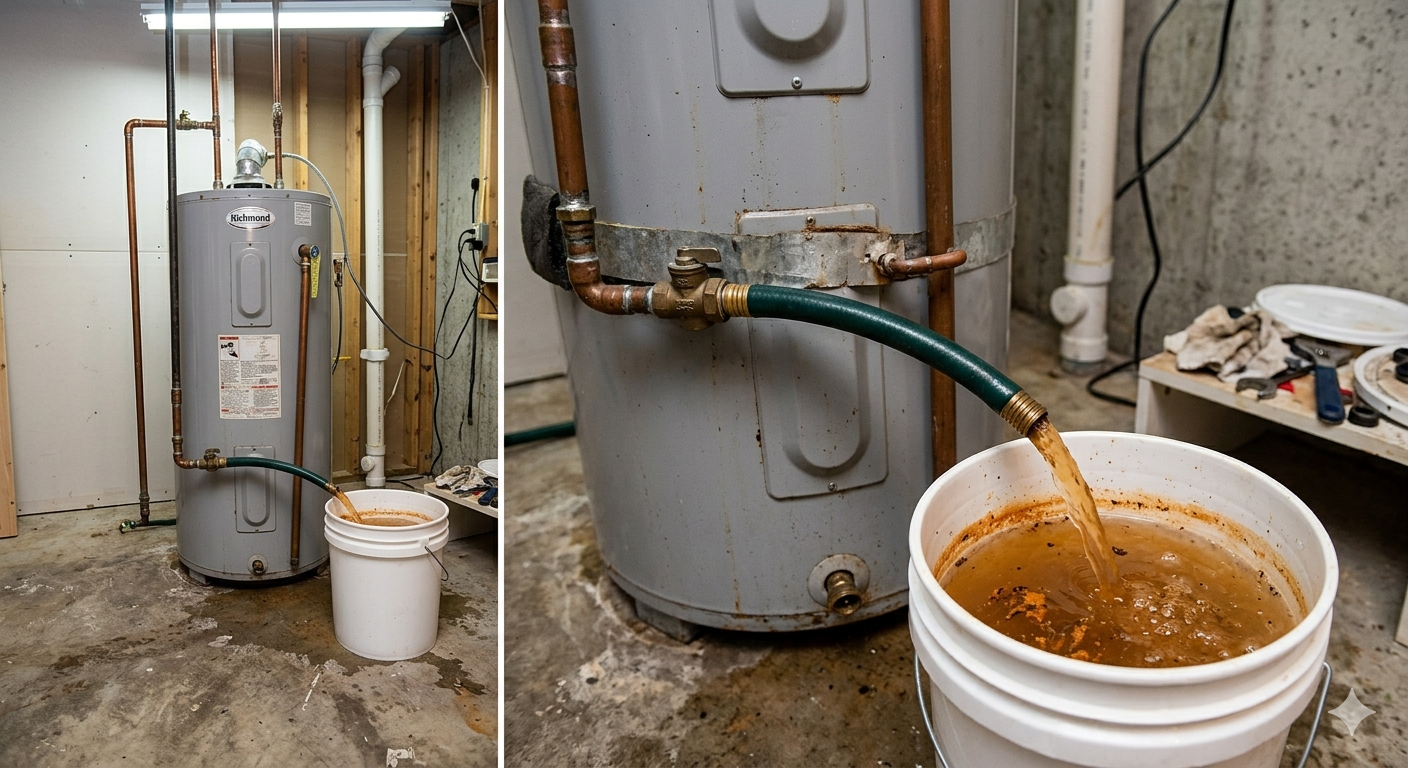
Your water heater is where hard water causes its most expensive damage. Heat accelerates mineral precipitation dramatically, the hotter the water, the faster dissolved calcium and magnesium crystallize and settle. In a tank-style heater, that sediment accumulates at the bottom of the tank, directly between the burner and the water it needs to heat.
A water heater with just one quarter inch of scale buildup can consume up to 40% more energy than a clean unit, according to the U.S. Department of Energy. Most Mendocino County homeowners will never see that scale because it forms inside the tank, but they will feel it in their energy bills and eventually in the performance of the unit itself.
A water heater that should last 10 to 15 years might only last 6 to 8 years with untreated hard water. That is not a marginal reduction. It means replacing a major appliance five to seven years earlier than the manufacturer’s lifespan suggests, and doing it more than once over the course of owning a home.
The warning sounds are worth knowing. A rumbling, popping, or cracking noise from a tank-style heater during heating cycles is sediment being disturbed as water beneath the layer tries to heat and push through. By the time those sounds are noticeable, the buildup is already affecting efficiency. Our water heater services include tank flushing that removes accumulated sediment before it hardens and compounds the problem. Annual flushing is one of the most cost-effective habits a Mendocino County homeowner can adopt. Tankless water heaters are not immune either.
Scale can coat the heat exchanger, reducing efficiency and, if left unchecked, causing the unit to fail prematurely. Tankless units require descaling on a schedule that depends on local water hardness, in moderately hard water like Ukiah’s, descaling every one to two years is a reasonable baseline.
The visible signs of hard water show up on fixtures long before the damage inside pipes and water heaters becomes apparent. White, chalky deposits form around faucets and showerheads, clogging them and shortening the lifespan of water-using appliances like your water heater, dishwasher, and washing machine. Rayneofthewinecountry
Those white deposits on the showerhead are not just cosmetic. The mineral buildup restricts the flow openings, reduces spray pressure, and eventually requires the entire fixture head to be replaced rather than simply cleaned. Aerators on kitchen and bathroom faucets clog on the same schedule, and because they are small and easy to ignore, homeowners often replace them repeatedly without addressing the underlying water chemistry.
Hard water buildup causes dishwashers, washing machines, and water heaters to work less efficiently and significantly decreases their overall lifespan. AHS Dishes come out of the dishwasher with white film or water spots even after a full cycle. Washing machines work through detergent faster because hard water minerals interfere with soap’s ability to lather, meaning more product is needed to achieve the same cleaning result. Over years, that adds up to a measurable increase in both detergent costs and appliance wear.
For faucets and fixtures specifically, our faucet services can address active damage from scale and a whole-home treatment approach prevents the cycle from starting again after repairs are made.
Hard water damage announces itself through a consistent set of symptoms. If several of the following describe your home, your water hardness is actively working against your plumbing:
If slow drains are part of the picture, our drain cleaning service can clear existing buildup from drain lines. For more persistent or widespread mineral accumulation in supply lines, hydro-jetting is an effective option for clearing scales that standard cleaning cannot reach.
Hard water damage is progressive, but it is also preventable. The right approach depends on how far along the damage is and what your long-term goals are for the home.
The lowest-cost starting point is building a maintenance routine that slows mineral accumulation without requiring any equipment purchase. Flushing your tank water heater once a year removes sediment before it hardens and compounds. Cleaning aerators and showerheads every few months with a vinegar soak dissolves surface deposits before they restrict flow. Scheduling periodic drain cleaning keeps drain lines clear of the mineral film that forms alongside soap scum and organic debris.
Maintenance alone does not stop hard water damage, it manages it. If you plan to stay in your home long-term, relying exclusively on maintenance means accepting ongoing repair costs and shorter appliance lifespans. It is a reasonable approach for rental properties or homes where a full treatment system is not yet financially practical.
Point-of-use filters installed at specific taps, typically the kitchen sink or a dedicated drinking water line, remove minerals and other dissolved solids from the water at that location only. They are effective for improving drinking water quality but do not protect pipes, the water heater, or appliances connected elsewhere in the home.
Reverse osmosis systems fall into this category and are worth considering if drinking water quality is the primary concern. They are often paired with a whole-home softener rather than used as a standalone solution for plumbing protection.
A whole-home water softener is the most effective long-term solution for preventing hard water damage throughout the plumbing system. Installed between the water source’s main line and the internal plumbing, a softener works through ion exchange, as water passes through a resin tank, the calcium and magnesium ions that cause hardness are exchanged for sodium ions, effectively removing the hardness minerals before they reach any fixture, appliance, or pipe in the home. AHS
For most homes with moderate to hard water, a water softener system pays for itself within three to five years through energy savings, reduced appliance repair costs, and extended plumbing lifespan. Thathvacguy In a home with moderately hard water like Ukiah’s, a properly sized softener reduces or eliminates scale formation in pipes, eliminates sediment accumulation in the water heater, and restores the effectiveness of soaps and detergents throughout the home.
Salt-free water conditioners are an alternative for homeowners who prefer to avoid sodium addition. These systems do not remove hardness minerals but alter their crystalline structure to prevent them from bonding to pipe walls. They are less effective than ion-exchange softeners in moderate to hard water conditions but offer a viable option for households on low-sodium diets or those with specific preferences about salt use. Our water treatment team can assess your water hardness and recommend the right system for your home’s size and specific water profile.
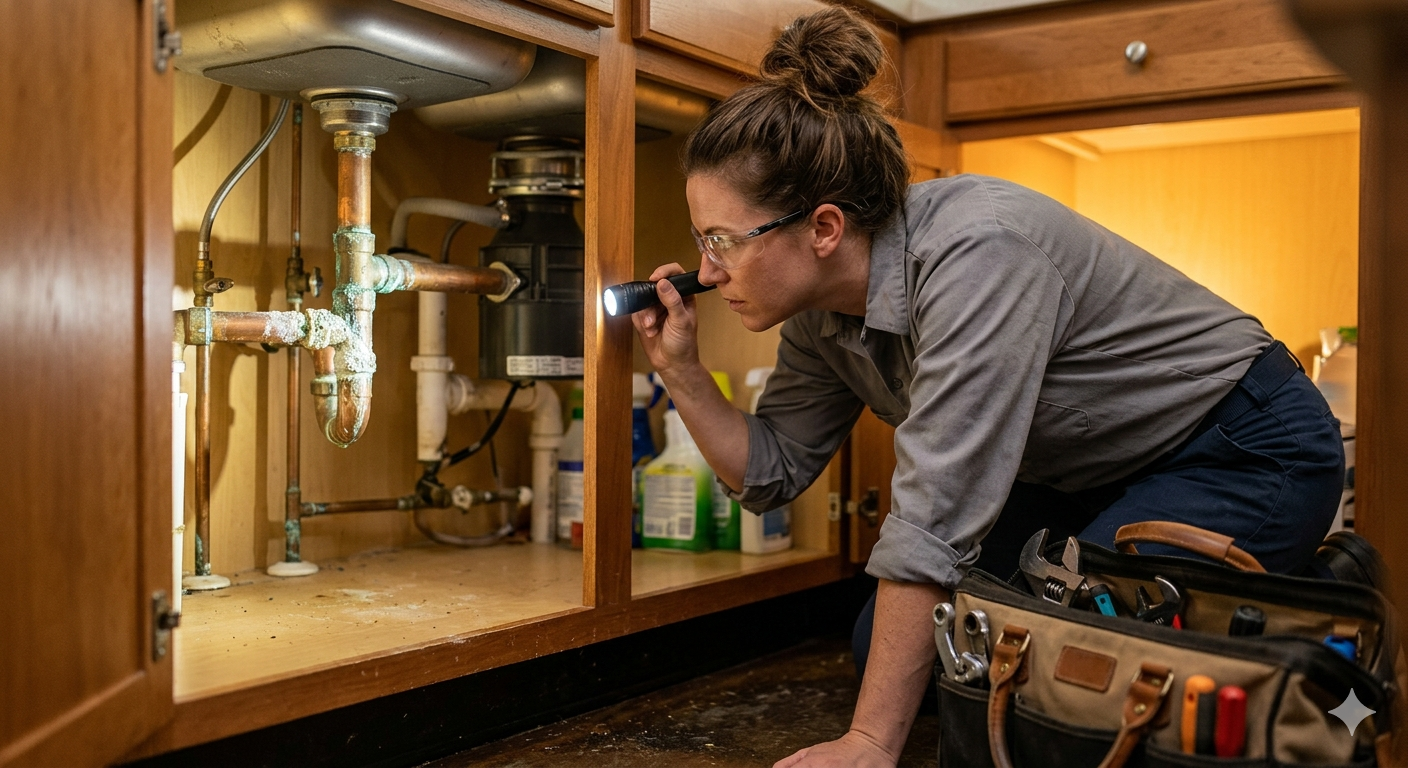
A water hardness test is the only reliable way to know your specific level. Basic test strips are available at hardware stores and give a rough reading. For a more precise result, a water quality test through a licensed plumber or water treatment professional measures hardness in grains per gallon and identifies other dissolved minerals present. Municipal customers in Ukiah can also review the city’s annual water quality report, which includes hardness data, though well owners need independent testing since well water hardness varies by location.
No. Hard water is not a health hazard for the vast majority of people. Calcium and magnesium are naturally occurring minerals that are safe to consume at the levels found in Mendocino County’s water supply. The concern with hard water is entirely about its effect on plumbing, appliances, and home maintenance costs, not on human health.
In many cases, yes. Hydro-jetting uses high-pressure water to blast mineral deposits and other buildup from the interior of supply and drain lines, restoring flow without requiring pipe replacement. The effectiveness depends on how long the scale has been accumulating and whether any corrosion has developed alongside it. A camera inspection before hydro-jetting can confirm the condition of the lines and determine whether clearing the buildup is sufficient or whether a section needs replacement.
A properly sized and maintained water softener will not damage your plumbing. Softened water is slightly more corrosive to some metals than hard water because the removed minerals provided a thin protective coating, but this is generally not a concern with modern copper, PEX, or CPVC supply lines. If your home has older galvanized steel pipes, discuss the material with your water treatment installer so the system can be configured appropriately.
Possibly. In moderately hard water conditions, meaningful scale buildup inside a tank water heater can develop within two to three years without regular maintenance. Annual flushing removes that sediment before it hardens into a solid layer that insulates the heating element. If your unit has never been flushed and is more than two years old, scheduling a flush with a Ukiah plumber is a worthwhile step regardless of whether you pursue a whole-home softener.
It can be. Municipal water hardness in Ukiah is relatively stable at around 6.0 GPG because it blends sources across the system. Private well water hardness depends entirely on the local geology and aquifer depth, and in parts of Mendocino County, particularly inland areas with older alluvial formations, well water can run significantly harder than the municipal supply. If your home is on a well and you have not had your water tested recently, a hardness test is the right starting point before choosing any treatment approach.
If you have noticed the signs of hard water damage in your home, scale on fixtures, declining water pressure, a water heater that sounds like it is working too hard, the right first step is a professional assessment. Our team can evaluate your plumbing, check your water heater for sediment buildup, and recommend a treatment approach that fits your home and budget.
Contact AAA Organized Plumbing to schedule a water assessment or discuss water treatment options for your Mendocino County home.
AAA Organized Plumbing is a licensed plumbing contractor serving Ukiah and communities throughout Mendocino County, including Willits, Fort Bragg, Laytonville, Redwood Valley, and the surrounding area. From water treatment system installation and water heater maintenance to full residential repiping, the team brings local knowledge and honest recommendations to every job. When you need a dependable Ukiah plumber who understands the specific water conditions in this region, AAA Organized Plumbing is the call to make.
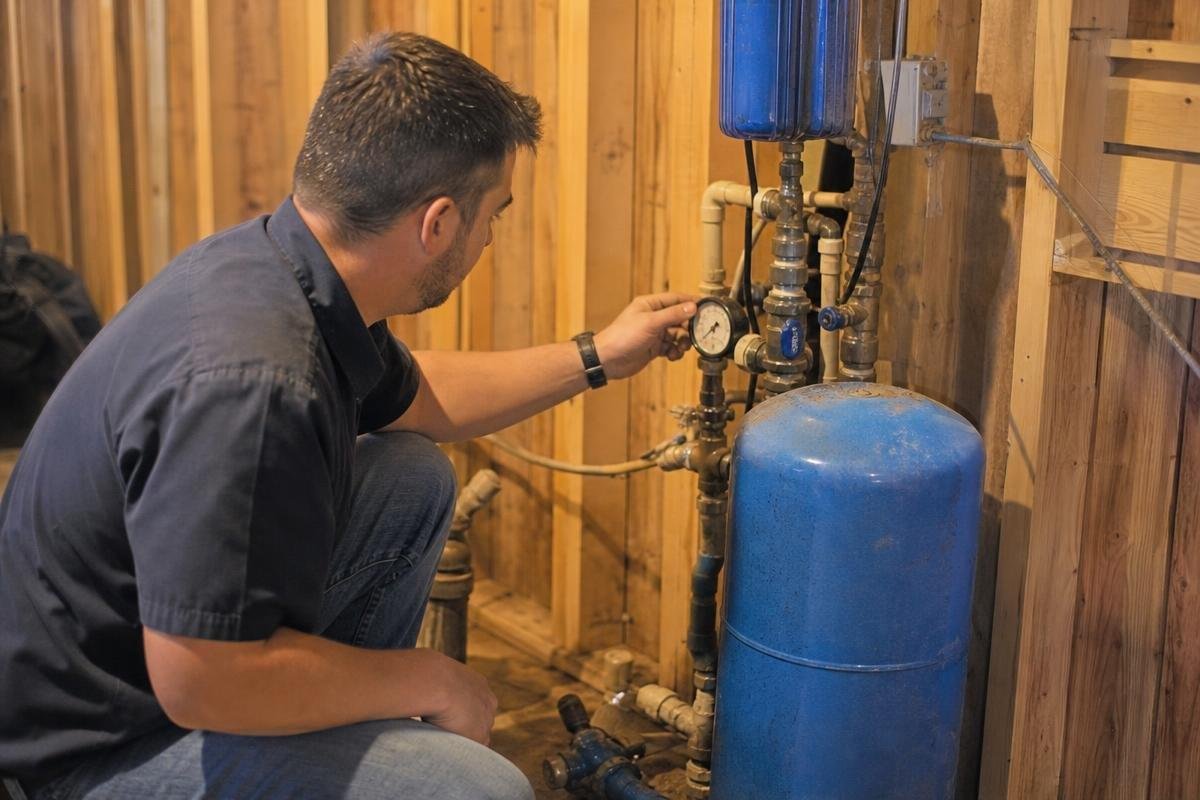
You may need well pump repair in Ukiah when your faucets sputter, the shower loses pressure, or water stops throughout the house. On private well properties in and around Ukiah, including rural areas such as Redwood Valley, these symptoms may involve the well pump, pressure tank, controls, a supply-line leak, or the well’s available water.…
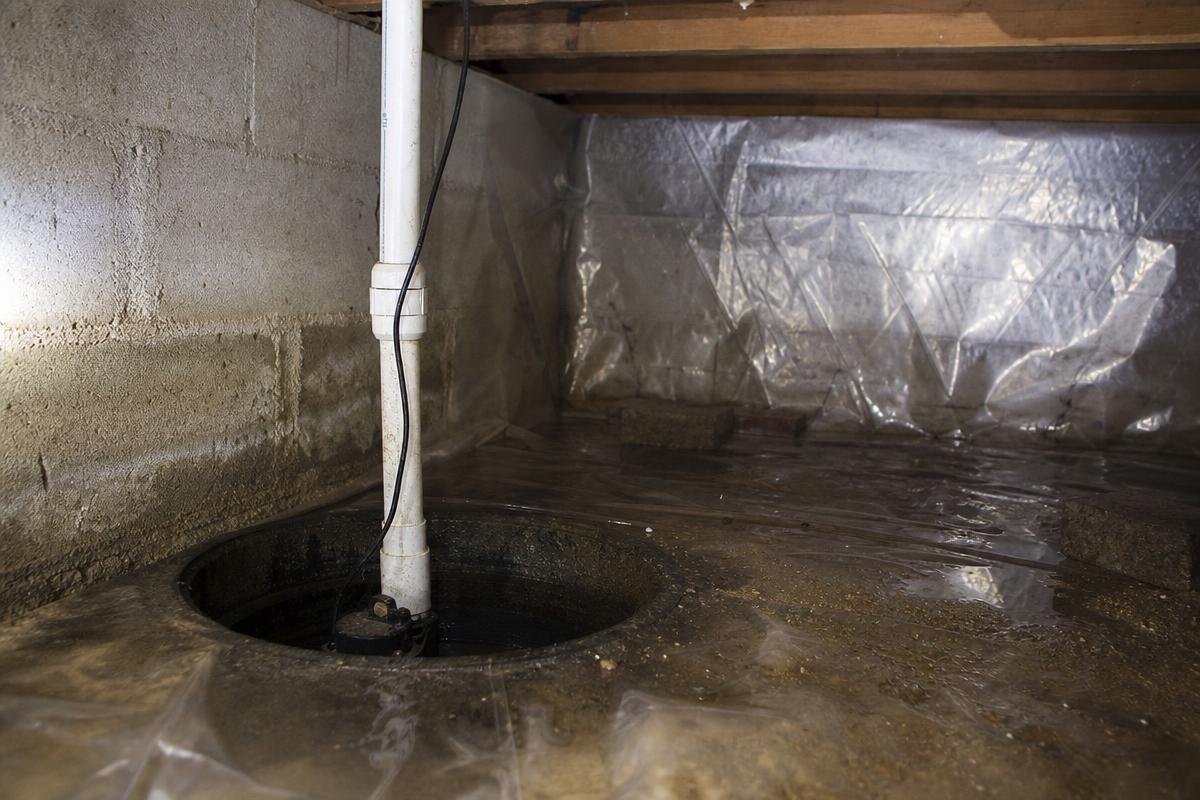
Water stains on a crawl-space wall, a damp smell after hard rain, or water collecting near the foundation can mean you need a sump pump. In Ukiah and nearby Mendocino County communities, winter storms, hillside runoff, valley-floor drainage patterns, irrigation, and downspouts that empty too close to the house can all contribute. AAA Organized Plumbing…
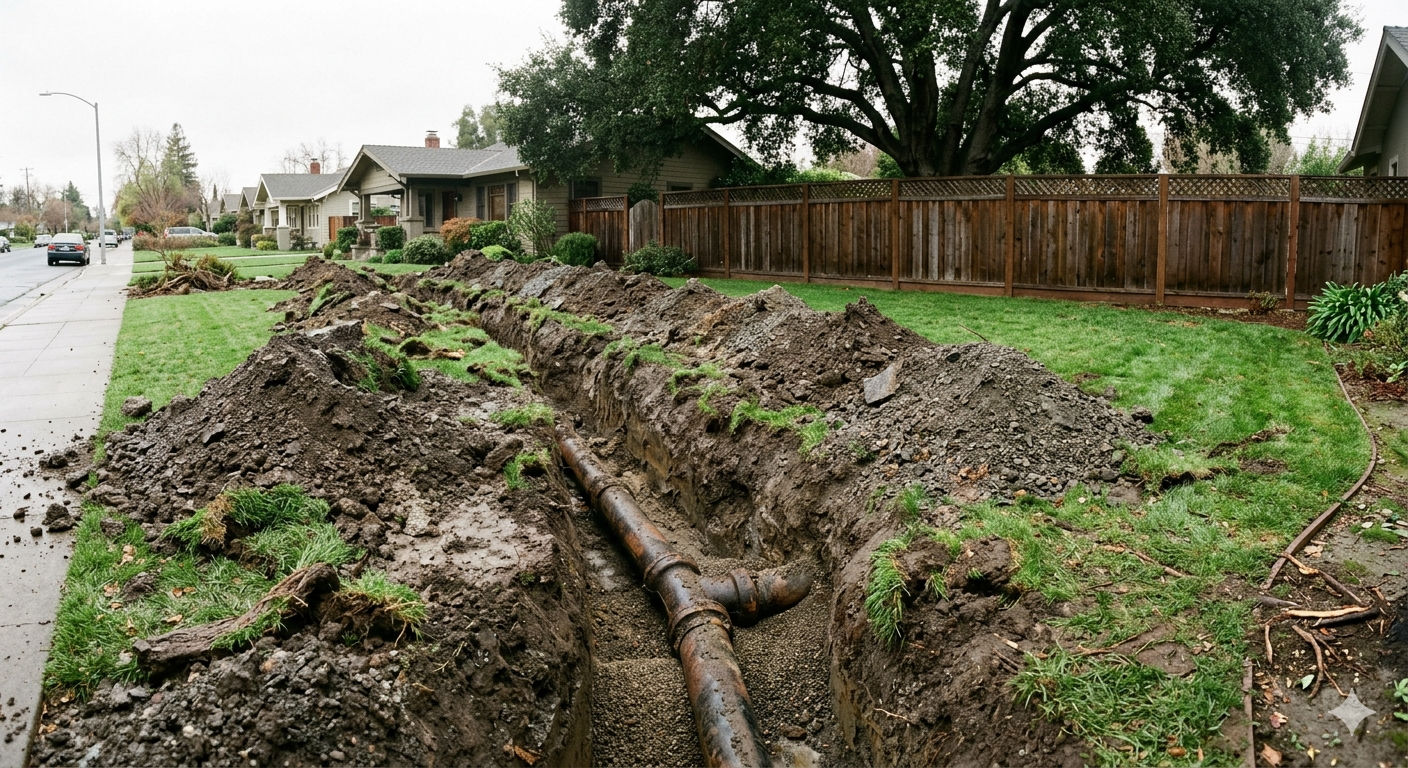
A failing sewer line forces a decision most homeowners are not prepared to make quickly. The pipe is underground, you cannot see it, and two very different repair approaches are on the table. One involves digging a trench across your yard. The other threads a solution through the existing pipe without disturbing the surface above…
