
The white crust around your faucet. The filmy residue that won’t rinse off your dishes. If you live in Ukiah or the surrounding Mendocino County area, these are not random annoyances. The Russian River watershed sits above limestone-rich geology that pushes calcium and magnesium into your water supply, often above 10 grains per gallon.
Hard water problems at that level damage pipes, shorten water heater life, and leave your fixtures stained year after year. We help Ukiah homeowners identify what’s happening and fix it before it gets expensive. Seeing scale buildup or staining in your home? Let’s figure out what your water is doing to your plumbing.
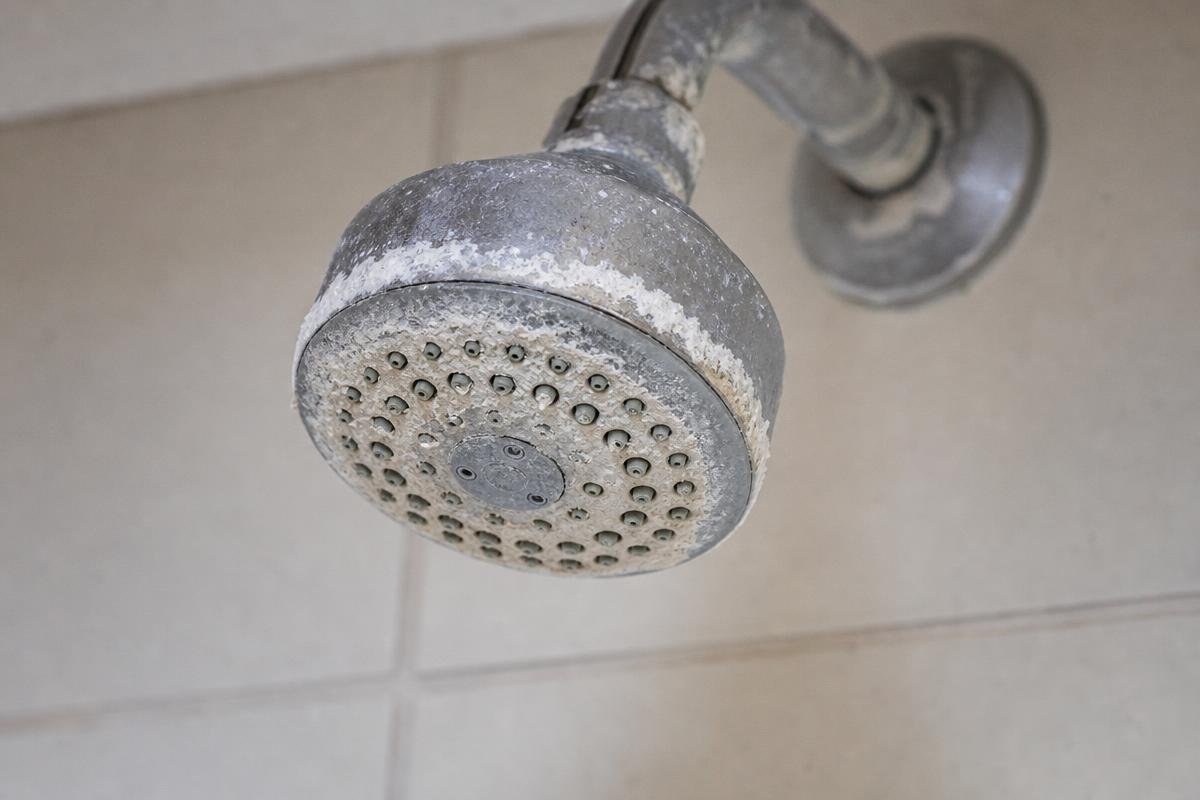
The white crust around your showerhead. The chalky ring inside your toilet bowl. The cloudy film on glasses straight out of the dishwasher. You clean them, and a week later they are back. That is not a cleaning problem. That is a mineral problem, and it comes from your water.
Water hardness can vary by source. A current water test is the best way to understand the mineral content at your home. Homeowners in Redwood Valley, Calpella, and Potter Valley pulling from private wells often see levels of 15 to 20 grains per gallon or higher, because deeper aquifers mean longer mineral contact time.
This is a regional problem, not a housekeeping failure. And it costs real money over time. Scale builds inside pipes, cuts water heater efficiency, and shortens appliance life. Our guide covers how to spot the symptoms, what they cost if left alone, how to test your water at home, and which treatment options actually work for homes in this area.
AAA Organized Plumbing is based at 1252 Airport Park Blvd STE A4, Ukiah, CA 95482. Call us at (707) 621-8282 if you want help with water filtration & treatment services before finishing the article.
The water coming out of your tap in the North Bay didn’t start out hard. It started as rain. That rain percolates through the Ukiah Valley’s limestone-rich sedimentary rock formations, picking up calcium carbonate and magnesium bicarbonate as it moves through the ground. By the time it reaches your pipes, those dissolved minerals are already in the water. The municipal supply draws from a mix of groundwater wells and Russian River surface water, and both sources carry significant mineral loads.
Communities in Redwood Valley, Calpella, and south toward Hopland draw from deeper private wells with longer rock-contact time. More contact time means more dissolved minerals. Hardness levels in those areas frequently run higher than what city customers see on municipal supply.
Here is what makes this matter for your plumbing: calcium and magnesium stay dissolved in cold water. Heat that water or let it evaporate, and those minerals drop out of solution as solid scale. That is the exact mechanism behind mineral buildup in pipes, clogged aerators, and the white crust forming inside your water heater tank. You can read more about the long-term pipe damage this causes in our post on how hard water in Mendocino County damages your pipes over time.
The USGS hardness scale puts it plainly: soft water runs 0 to 3.5 grains per gallon (gpg). Moderately hard is 3.5 to 7 gpg. Hard is 7 to 10.5 gpg. Very hard is anything above 10.5 gpg. Water tested across the greater Ukiah area commonly comes in above 10 gpg, and well water in Redwood Valley and Calpella can reach 15 to 20+ gpg.
Mineral scale can reduce water-heater efficiency over time. That is not a hypothetical. It is a measurable drop caused by scale insulating the heating element from the water. Our water heater services team sees this pattern regularly in homes across the valley.
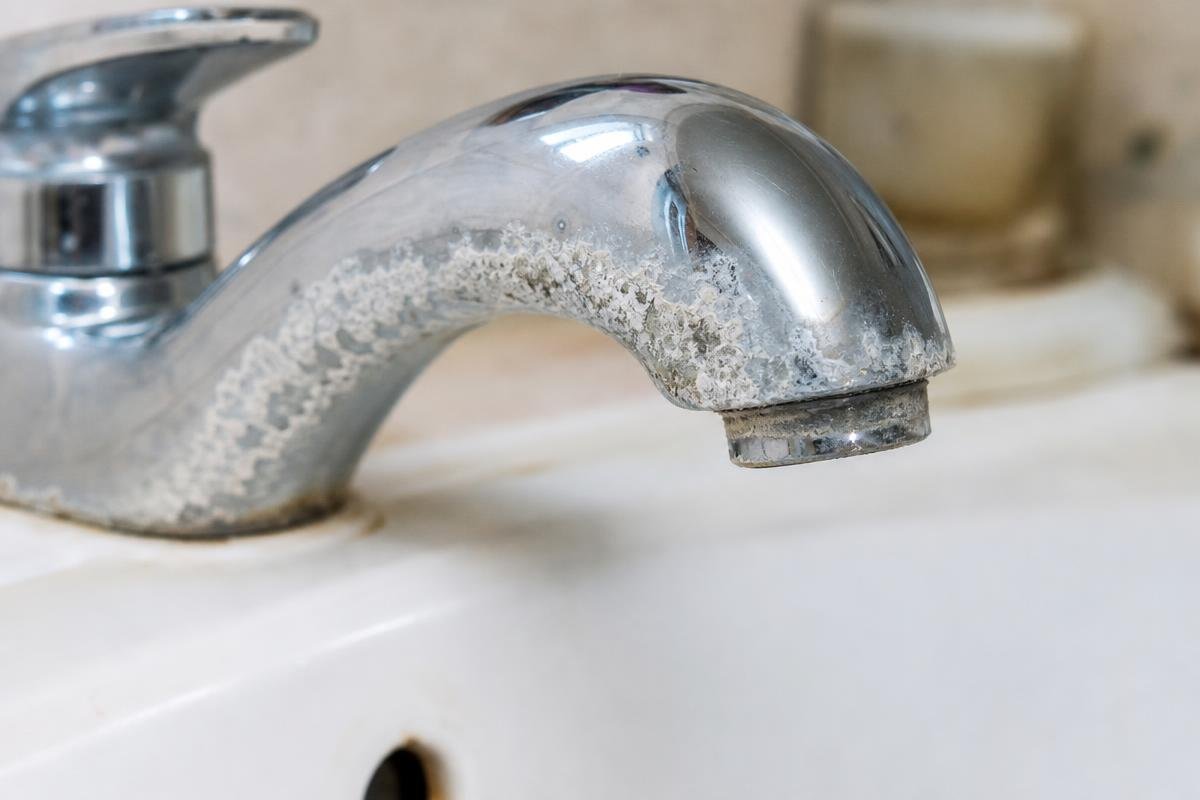
Most of these signs are already sitting in plain sight. You just need to know what they mean.
Two more signs show up in how your plumbing actually performs. If your showerhead or faucet aerator has lost pressure, that is mineral buildup restricting the orifices, not a supply problem. Scale narrows the opening gradually, so the pressure drop feels slow and easy to ignore. If your water heater services used to produce reliably hot water and now runs lukewarm, scale on the tank floor is insulating the burner from the water above it. Homes in Calpella and Potter Valley with 15 to 20+ gpg well water see this faster than most. Copper and galvanized supply lines common in older homes here are also vulnerable to leak repair services, where scale accelerates electrochemical corrosion from the inside out.
Your towels feel scratchy after washing because calcium ions bond to fabric fibers during the rinse cycle. Softener helps, but it does not fully offset the problem at 10+ gpg. Your skin may feel filmy after a shower because calcium and magnesium react with soap to form scum instead of lather. That film stays on skin rather than rinsing clean. Hair often feels dull or stiff for the same reason. NIH research has noted a possible link between hard water and eczema flare-ups in sensitive individuals. This is a comfort and quality-of-life issue, not a safety crisis, but it is real and it is consistent.
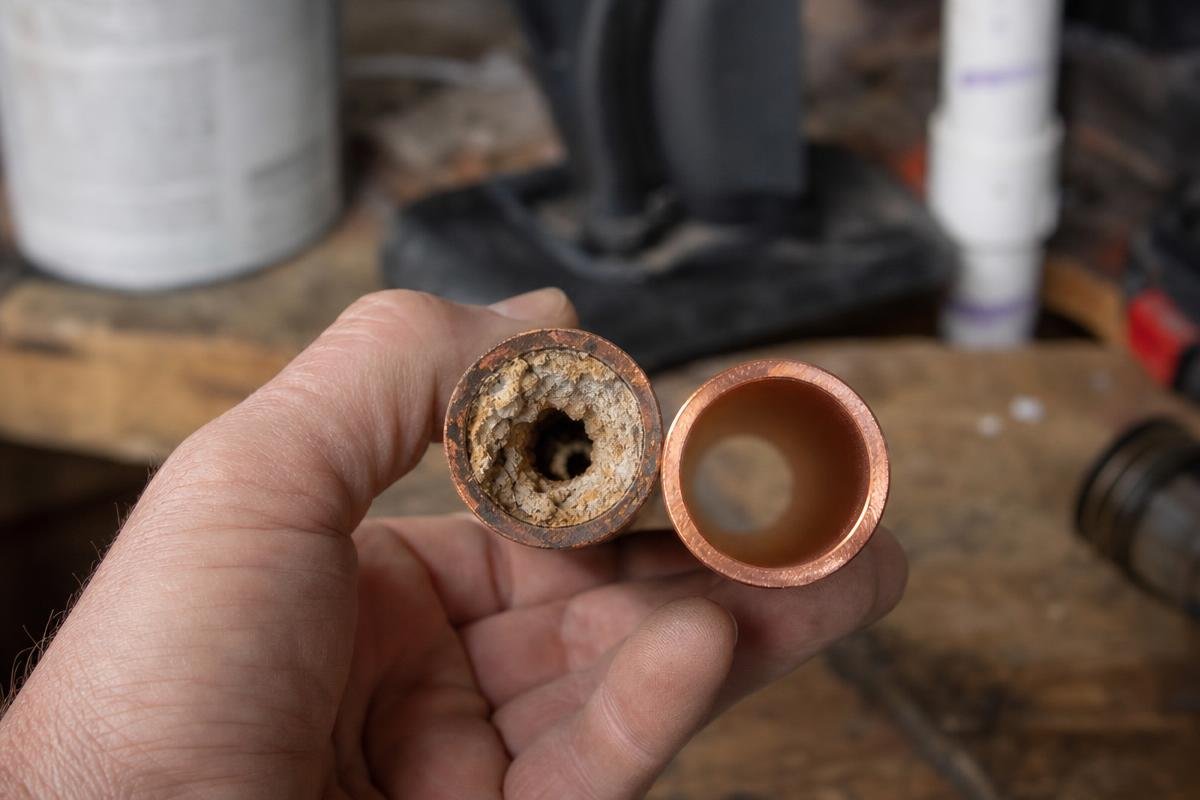
Hard water damage is not dramatic at first. It is slow, quiet, and cumulative. Calcium and magnesium dissolve into the water as it moves through the limestone-rich geology beneath the Ukiah Valley. When that water gets heated or sits inside your supply lines, those minerals precipitate out as calcium carbonate, a hard, chalky scale that sticks to interior pipe walls. At 10 or more grains per gallon, the process is constant.
Scale does not build evenly. It accumulates fastest at elbows, valves, and any point where flow slows. Over five to ten years, the effective interior diameter of a half-inch copper supply line can narrow enough to drop your water pressure noticeably. You may notice it first at a bathroom faucet on the far end of the house, in Calpella or Redwood Valley homes on private wells running 15 to 20-plus grains per gallon, that narrowing can happen faster.
In homes built before 1980 with original copper or galvanized steel supply lines, scale does not work alone. It compounds with existing corrosion. The extra pressure on scale-narrowed joints accelerates pinhole leaks. Left unaddressed, those small failures add up to water damage behind walls. If your home is showing these patterns, read through the 5 signs your home needs repiping before the problem gets ahead of you. Our team handles house repiping services for exactly these situations.
Calcium carbonate settles to the bottom of a tank heater every time hard water is heated. A quarter-inch of sediment on the tank floor forces the burner to run longer to reach temperature, increasing energy consumption by an estimated 20 to 30 percent. That trapped heat also causes the tank lining to overheat and crack from the inside.
Hard-water scale can contribute to water-heater wear over time. Tankless units are not immune either. Scale builds on the heat exchanger and can trigger fault codes or full unit failure without annual descaling. Whether you are weighing repair or replacement, our water heater services team can assess the damage. Our guide on tankless vs. tank water heaters is also worth a read if you are deciding what to install next.
You do not need a lab coat to get a reliable read on your water hardness. Three methods work well for homes in Redwood Valley, Calpella, and Potter Valley, and each one tells you something different.
Start with the soap test if you have nothing on hand. Fill a clear 12-ounce bottle one-third full with tap water. Add 10 drops of pure liquid castile soap, cap it, and shake for 30 seconds. Soft water produces rich, lasting lather with clear water below. Hard water produces minimal lather and a cloudy, milky layer. This confirms hardness but cannot measure it.
Test strips give you actual numbers. Dip one strip for 1 to 2 seconds, wait 30 seconds, then compare the color to the chart. Results come back in grains per gallon or ppm. Note: 1 gpg equals 17.1 ppm. Strips reading 7 to 15 gpg confirm hard to very hard water, which is common across the Russian River watershed.
A mail-in certified lab test is the most accurate option. Results return within five to seven business days with a full mineral panel. This matters in the North Bay because A certified water test can identify the specific contaminants present in your water supply. A strip test will not catch those.
A professional assessment goes well beyond hardness. Our team tests for specific contaminants that affect both your health and your plumbing performance. That information tells us whether you need a softener, a whole-house system, or both. You can explore your options through our water filtration & treatment services page.
If your strip test reads above 10 gpg or your mail-in results flag contaminants, that is useful information. Do not sit on it. Not sure how hard your water really is? Call us at (707) 621-8282 and we can walk you through next steps.
Here is what most homeowners want to know: do you need a softener, a filter, or both? The honest answer depends on your water source, your hardness level, and what problems you are already seeing. There is no single fix that works for every home in the North Bay. Let us walk through the main options and their real trade-offs.
A salt-based ion-exchange softener is the most effective option for homes with hardness above 7 grains per gallon. Resin beads inside the tank swap calcium and magnesium ions for sodium ions. The water leaving your tap tests at 0 to 1 gpg, genuinely soft. Scale stops forming. Soap lathers properly. Your water heater services and pipes stop accumulating mineral deposits.
The trade-offs are real. You refill salt every four to eight weeks depending on household size and incoming hardness. The system discharges a small amount of brine during regeneration. If you are on a sodium-restricted diet, you will want a reverse-osmosis drinking water filter at the kitchen sink. For municipal water customers in the Talmage and Hopland areas where hardness commonly runs above 10 gpg, this is usually the first recommendation we make.
TAC systems convert calcium and magnesium into microscopic crystals that cannot stick to pipe walls or heating elements. Your water still tests as hard on a strip, but it does not form scale. No salt, no brine discharge, no electricity required. These systems work well for scale prevention in newer homes or recently repiped properties. They are less effective at reversing existing buildup. For private well properties in Geyserville and Cloverdale with moderate hardness in the 7 to 10 gpg range, TAC is often a practical fit.
Filtration addresses contaminants, not hardness minerals. Regional water quality reports have documented chromium-6 and chloroform in area water sources, which a softener alone does not remove. Many homeowners need both: a softener for hardness and a carbon or reverse-osmosis filter for drinking water quality. Our water filtration & treatment services cover both sides of that problem. A point-of-use reverse-osmosis system under the kitchen sink is the most thorough option for drinking water.
If your home was built in the 1950s through the 1970s, yes, you should be more concerned about hard water than someone in a newer build. Homes on the older residential streets near downtown were typically plumbed with galvanized steel supply lines. The zinc coating on galvanized pipe reacts with calcium deposits over time. Once that coating is compromised, rust and mineral scale combine to narrow the pipe interior rapidly, cutting water pressure and contaminating what comes out of your tap.
The clearest early warning sign is brown or rust-colored water at the tap after the water has been off for several hours. That discoloration is iron and scale releasing directly from the pipe walls. Left unaddressed, it accelerates to pinhole leaks and full pipe failure. If you are seeing that in a home built before 1980, check out the 5 signs your Ukiah home needs repiping before the problem gets ahead of you.
Our team uses PEX piping for repiping projects. PEX resists scale adhesion better than copper and handles hard water conditions without the corrosion risk of galvanized steel. You can learn more about our house repiping services if you want a full assessment.
Private well systems north and east of the city draw from deeper aquifers with longer mineral contact time. Hardness levels on those properties can reach 15 to 20 grains per gallon or higher. That is well above what municipal treatment delivers. Well water also lacks chlorination, so biological contaminants can coexist with the hardness minerals.
If you are on a well, test annually for the full mineral and contaminant panel, not just hardness. A qualified water assessment can help determine whether a softener, filtration, disinfection, or another approach fits your water source. Our water filtration & treatment services cover both.
AAA Organized Plumbing can help homeowners evaluate water-treatment and plumbing concerns. Our office is at 1252 Airport Park Blvd STE A4, Ukiah, CA 95482, and we regularly work in Hopland, Willits, Fort Bragg, and communities across Sonoma County as well.
Our customers consistently mention the same things in reviews: we show up when we say we will, we communicate before and during the appointment, and the final bill matches the estimate. No surprises at the end of the job. Ask our team about current customer feedback and service options. We provide free estimates before any work begins, so you know exactly what you are agreeing to.
For hard water specifically, the three services homeowners in this area need most are water filtration and treatment, water heater repair or replacement, and repiping. Our team offers all three. If scale has already shortened the life of your water heater or corroded older supply lines, we can assess the damage and walk you through your options. Our water filtration & treatment services cover whole-house softeners and filtration systems, including options that address chromium-6 and chloroform, contaminants documented in regional water quality reports beyond hardness alone.
Hard water is a plumbing problem, not just a water quality inconvenience. We treat it that way.
A test strip is the most reliable confirmation. A reading above 7 grains per gallon means hard water. The municipal supply serving homes in Hopland, Willits, and the broader North Bay region commonly tests above 10 gpg. Visible scale on faucets and a filmy feeling after showering are also reliable indicators.
Hard water is not a health hazard the way contaminated water is. Calcium and magnesium are minerals the body uses. The documented concern in this region involves other contaminants, including chromium-6 and chloroform, which show up in local water quality reports. A dedicated water filtration & treatment services system addresses those separately from a softener.
Cost depends on your home’s size, incoming hardness level, and whether filtration is added alongside the softener. Request an estimate before work begins. Call (707) 621-8282 or request an estimate online to get a number specific to your home.
A softener alone will not restore pressure already lost to scale buildup inside your supply lines. The scale has to be physically removed or the pipes replaced. Installing a softener stops future accumulation. If pressure is already noticeably reduced, a plumber should inspect your supply lines first.
In hard water conditions like those common across the North Bay, flush every six months rather than the standard annual recommendation. A full flush takes 20 to 30 minutes and removes loose sediment before it bakes onto the tank floor. Our team handles this as part of routine water heater services service calls.
Yes. This is one of the most direct and costly hard water damage consequences homeowners face. Scale insulates the tank floor from the burner, causing the metal to overheat and the lining to crack. In hard water conditions above 10 gpg, a tank heater rated for 10 to 12 years may fail in six to eight.
Yes. AAA Organized Plumbing installs whole-house water softeners, salt-free conditioners, and filtration systems for homes throughout the area. We serve Hopland, Willits, Fort Bragg, and communities across Mendocino and Sonoma counties. Licensed, insured, and available for same-day service.
Hard water problems are not going away on their own. Every year you wait, scale builds further inside your pipes, your water heater works harder, and your appliances get closer to early failure. Our team can assess your water, recommend the right treatment combination, and install it correctly. Visit our water filtration & treatment services or call (707) 621-8282 to request a free estimate.
Call (707) 621-8282 to speak with our team directly. We’re ready to answer your questions, walk you through your options, and help you find the right solution for your needs. Whether you’re just starting to plan or ready to move forward, we’ll make the process simple and stress-free. Reach out today and let’s talk about how we can help.
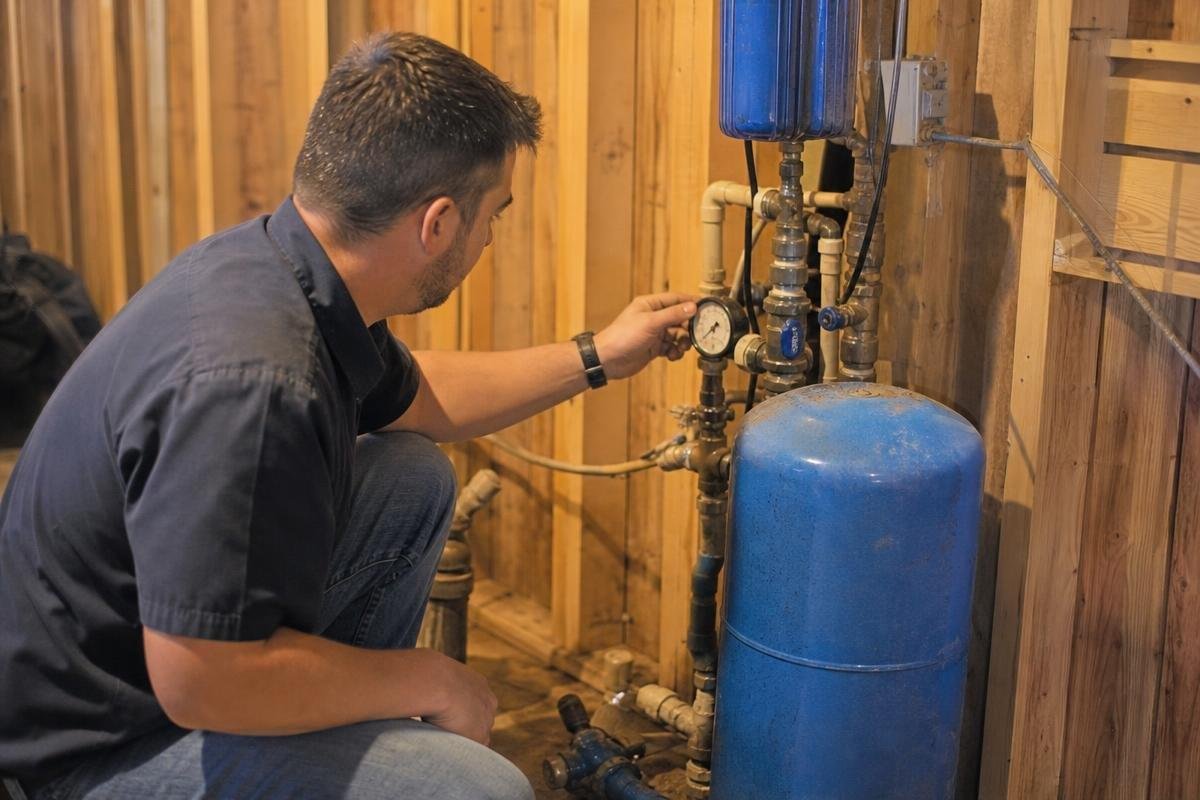
You may need well pump repair in Ukiah when your faucets sputter, the shower loses pressure, or water stops throughout the house. On private well properties in and around Ukiah, including rural areas such as Redwood Valley, these symptoms may involve the well pump, pressure tank, controls, a supply-line leak, or the well’s available water.…
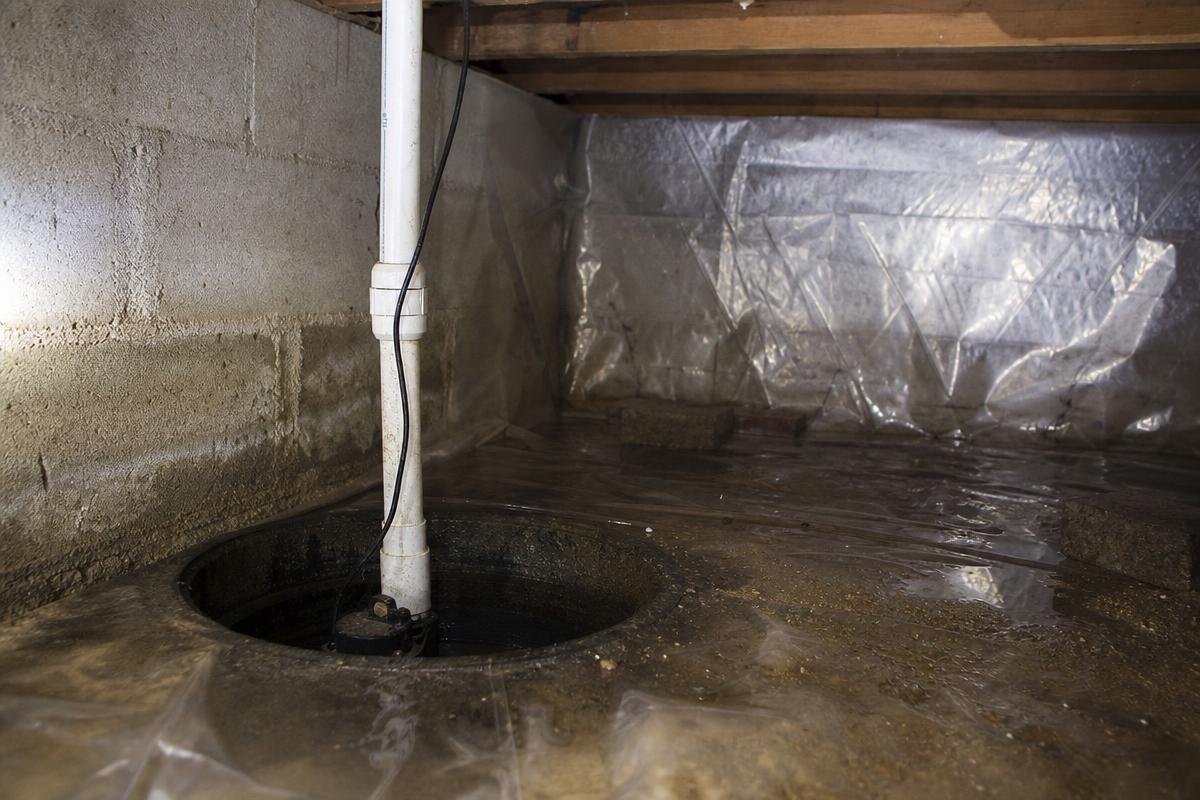
Water stains on a crawl-space wall, a damp smell after hard rain, or water collecting near the foundation can mean you need a sump pump. In Ukiah and nearby Mendocino County communities, winter storms, hillside runoff, valley-floor drainage patterns, irrigation, and downspouts that empty too close to the house can all contribute. AAA Organized Plumbing…
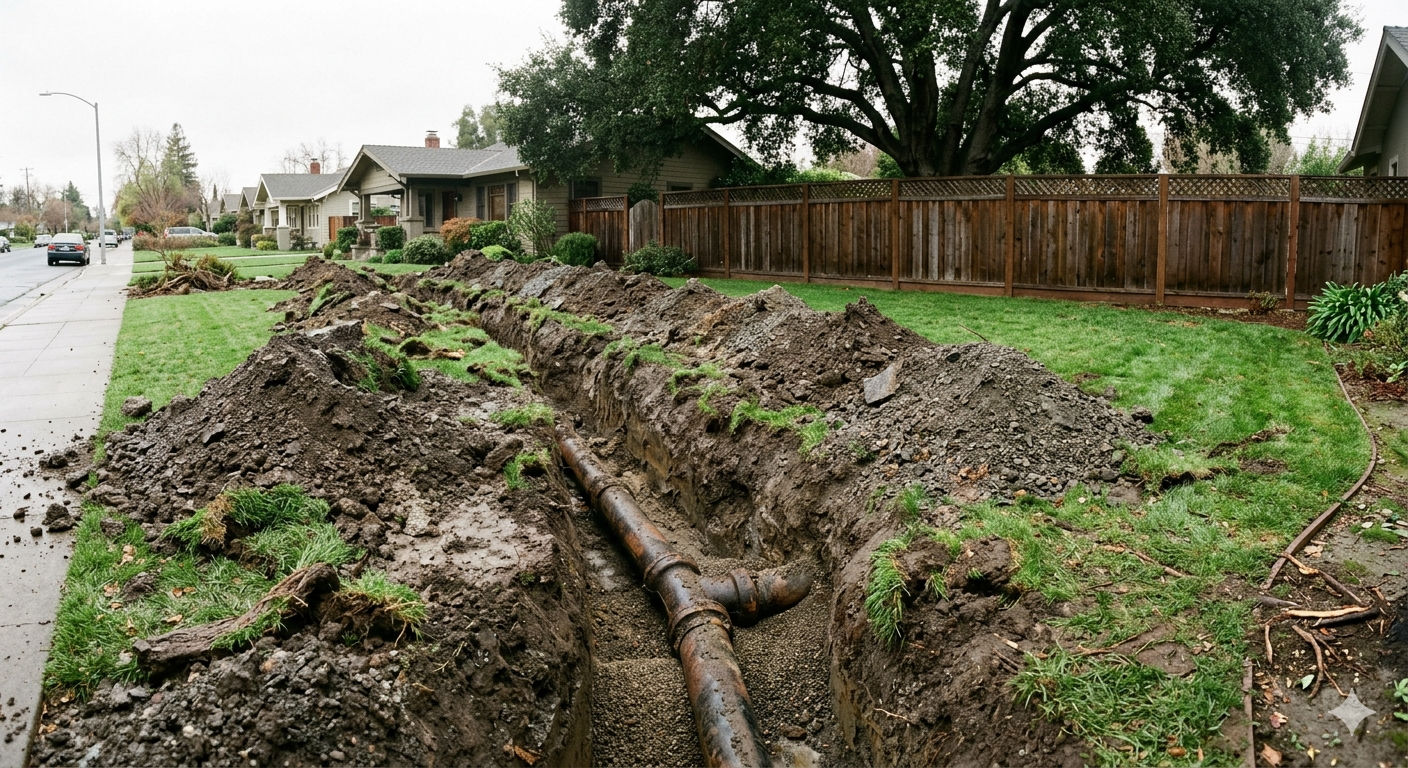
A failing sewer line forces a decision most homeowners are not prepared to make quickly. The pipe is underground, you cannot see it, and two very different repair approaches are on the table. One involves digging a trench across your yard. The other threads a solution through the existing pipe without disturbing the surface above…
