
A burst pipe can send water into a home quickly. Knowing the location of your main water shut-off valve can help you respond faster when a plumbing emergency occurs.
If you cannot locate or safely operate your main shut-off valve, contact a qualified plumbing professional for assistance.
A burst supply line can release a significant amount of water quickly. That is not a slow drip you can set a bucket under. That is a flooding event, and it starts the moment the line lets go.
Delays in shutting off water can increase the amount of water entering the home. Standing water soaks into subfloor sheathing within minutes. Drywall begins wicking moisture within hours. Standing water should be addressed promptly to reduce the risk of property damage and moisture-related problems.. Our leak repair services can address the source, but the downstream damage from a delayed shutoff is a separate and much larger repair bill.
Older homes in the Yokayo neighborhood are at particular risk. Original galvanized supply lines corrode from the inside out. The pipe looks intact on the outside right up until it fails, and that failure gives you no warning at all.
A failed toilet supply line can release water quickly and should be treated as an urgent plumbing concern. They give zero warning, unlike a slow drip under a sink. One moment everything is fine. The next, water is spraying at full pressure across the bathroom floor.
Knowing where your primary water valve is located also matters when nothing is wrong. No plumber can swap a fixture, complete faucet repair & installation, or replace a water heater without isolating the supply first. Knowing the valve location before you need it means planned work starts on time and emergencies stop faster.
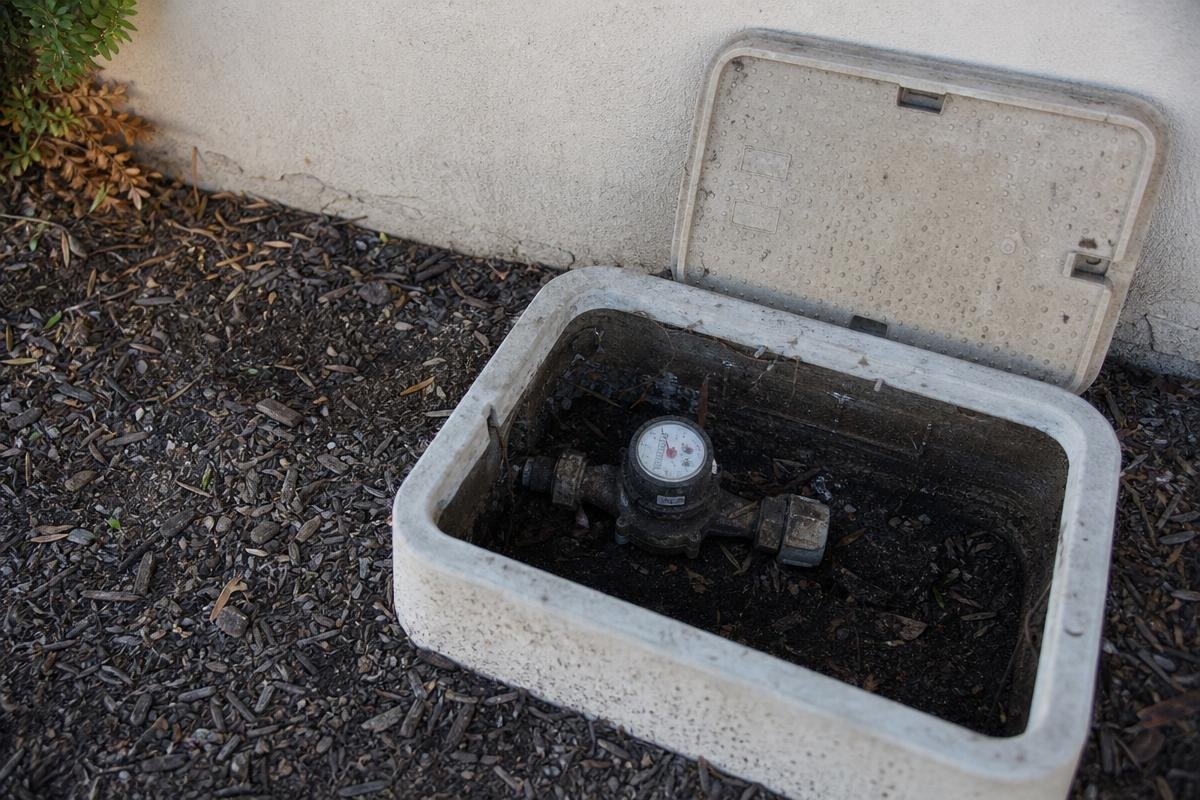
Main shut-off valve locations vary by home design, plumbing layout, and prior renovations. Check common accessible areas first, then contact a qualified plumbing professional if you cannot locate the valve.
The water meter box sits at the street or property edge. The meter box may contain utility equipment. Follow the local water utility’s instructions before operating any meter-side valve. A meter box may contain utility-owned equipment. Follow the local utility’s instructions before operating meter-side components. A house-side shut-off may be near the meter or where the service line enters the home. It may sit in its own small plastic box flush with the ground, or it may come through the exterior foundation wall and terminate with a handle or wheel just above grade.
Older homes near the Orr Creek corridor and through central Ukiah commonly have this exterior setup, often with an aging gate valve that has not been turned in decades. If you spot a round wheel handle rather than a lever, that is a gate valve, and it may resist turning or fail to seal fully. That is useful information to have before an emergency, not during one.
Not every home follows the exterior pattern. Here is what some interior placement might look like by era and style:
Work through this list in order. Check accessible areas where the main water line may enter the home, including utility rooms, garages, crawl spaces, and the area near the water heater. If you cannot locate the valve, contact a qualified plumbing professional.
If you are unsure whether the valve works, arrange an inspection before an emergency exposes the problem.
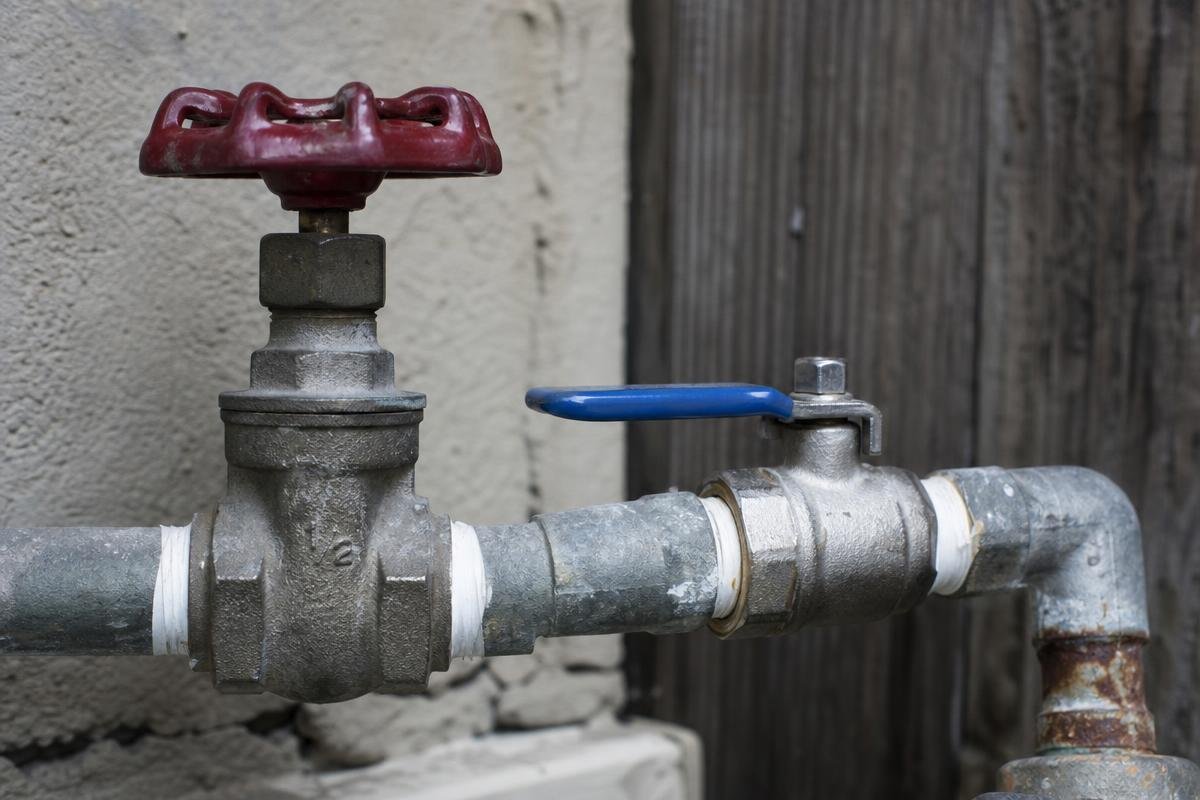
You have two main valve types in Mendocino County homes: gate valves with a round wheel handle and ball valves with a straight lever. Finding your shut-off is only half the job. The other half is knowing whether it will actually work when a pipe bursts at 11 p.m. on a Tuesday, and these two types behave very differently under pressure.
A gate valve has a round, multi-spoke wheel handle, similar to a small ship’s wheel. To fully close it, you turn it clockwise 8 to 12 full rotations. Gate valves use a round wheel handle and can be difficult to operate when aging or corroded. Do not force a valve that resists turning.
Here is the problem. The internal mechanism is a metal wedge that corrodes and warps over time. Hard water in Mendocino County damages your pipes over time, and gate valve bodies take that same mineral punishment. A gate valve that has not been operated in years may turn partway and stop. Or worse, it appears closed but still passes water. That is a dangerous surprise during an active leak.
A ball valve has a straight lever handle. One 90-degree quarter-turn closes it completely. Lever parallel to the pipe means open. Lever perpendicular to the pipe means closed. Ball valves use a lever handle and are commonly operated with a quarter-turn. If you are unsure whether the valve is functioning correctly, arrange a professional inspection.
These valves are far more reliable in emergencies. Fewer moving parts, less surface area for mineral buildup to seize the mechanism. If your home has been through house repiping services, there is a good chance a ball valve was installed at that time.
Watch for these warning signs on any valve type: mineral crust or drips around the stem packing nut, a handle that spins without resistance, or visible green and white corrosion on the valve body. Any one of those tells you the valve may not close fully when you need it most. A main shut-off replacement may require coordination with the local water utility. Timing depends on valve access, the condition of the existing plumbing, and the utility’s process.
First, confirm you have found the main shut-off and not just a fixture valve. A fixture valve is small, oval or football-shaped, and sits on the wall directly behind a toilet or under a sink. If a supply line fails at the toilet, toilet repair & installation starts with that individual valve, which is faster than going to the main. The main shut-off is larger, mounted on a pipe that runs directly toward the street meter or your well pump, and it controls water to the entire house.
Gate valves have a round wheel handle. Here is what you do:
Ball valves have a lever handle. Turn the lever slowly until it is perpendicular to the pipe, then open a fixture to confirm whether water flow has stopped.
Open the lowest faucet in the house, a hose bib or utility sink, to drain residual line pressure. This reduces mess when a plumber opens the damaged section. Take a photo of the valve and its location so you can describe it quickly over the phone.
One important note for rural homes where gas and water lines share utility rooms or crawl spaces: if you suspect a gas line is involved, do not touch any electrical switches. Walk out and call from outside. Our team handles gas line repair & installation and can assess both systems safely.
Water is still running or the valve will not budge? Contact a qualified plumbing professional for assistance.
The location of a main shut-off valve can vary with the home’s plumbing layout, age, and renovation history.
Pre-1970 homes near Alex Thomas Jr. Plaza and through the Yokayo neighborhood were commonly plumbed with galvanized steel supply lines and fitted with gate valves. Many of those valves have not been turned in 30 or 40 years. Worse, the location is often non-standard. Look for a recessed wall niche in the garage, a panel behind a hallway closet, or a utility space tucked near the foundation. If you find an old galvanized pipe and a stuck gate valve, that is useful information on its own. It may be time to read about 5 signs your home needs repiping before a leak forces the decision.
In Redwood Valley, Calpella, and Potter Valley, many parcels run on a private well with no city meter box at the street. Your shut-off is at the pressure tank, typically inside a pump house, garage, or utility shed near the well head. A secondary valve may exist where the supply line enters the house. If the valve is corroded or inaccessible during an emergency, cutting power to the pump at the breaker panel stops water flow immediately. Our team also handles sump pump services for rural properties throughout the county, including pressure tank inspections.
Post-1990 homes in the south end of town, including the area around our office at 1252 Airport Park Blvd STE A4, typically feature ball valves on copper or PEX supply lines. The shut-off is usually on the garage’s shared interior wall, often labeled. If you cannot find it there, check the water heater services closet. Post-2000 construction almost always places a secondary valve in that space.
Most homeowners can handle a quarter-turn ball valve without any help. But there are three situations where stopping and calling a licensed plumber is the right move, not the cautious one.
Older homes in Willits, Lakeport, and across Lake County often share the same problem we see locally: gate valves that have not moved in decades. If you apply wrench pressure to a seized gate valve and the stem shears inside the valve body, you now have zero shut-off capability in your home. That is not a minor inconvenience. It is a liability that will fail at the worst possible moment.
Replacing that valve requires coordinating a temporary meter shutoff with the water utility, something we handle directly as part of the valve replacement. If your valve is weeping around the stem or the handle spins without resistance, stop. Those are signs the valve is already failing. Our team can assess it and handle leak repair services before it becomes a flood.
Homes that have gone through multiple owners or major remodels sometimes have valves buried behind drywall or tucked into crawl spaces with no documentation anywhere. If you have checked every location covered in this guide and still cannot find it, do not start cutting into walls. We use a pipe locator to trace the supply line from the meter and pinpoint the valve in a single visit. You can also read our guide on how to find a water leak underground in Ukiah homes before calling a plumber for related diagnostic steps.
If water is actively flooding and you cannot safely stop it with a house-side shut-off, contact the local water utility and a qualified emergency plumbing professional for instructions.
In homes across the North Bay, the main shut-off valve is most often located outside, either near the front foundation, in a ground-level box along the property line, or adjacent to the water meter. This exterior placement is standard in mild-climate regions where the ground rarely freezes. Homes built after 1990 more commonly have an interior valve in the garage or utility room. If you are still not sure, the body section above has a step-by-step checklist to walk you through it.
A gate valve has a round, multi-spoke wheel handle and requires 8 to 12 full rotations to close completely. A ball valve has a straight lever handle and closes with a single 90-degree turn. Both are typically 3/4-inch to 1-inch brass or bronze fittings and are noticeably larger than the supply valves under your sink or behind your toilet.
If the house-side valve is seized, avoid operating meter-side equipment unless the local water utility tells you it is appropriate. Contact the local water utility for guidance, then arrange replacement of the failed house-side valve before the next emergency.
Replacement timing depends on the valve location, the condition of the plumbing, and any utility coordination required. A plumber can assess the situation and explain the expected steps before work begins.
Yes. Ball valves close in a single quarter-turn, which matters when you are standing in two inches of water trying to stop a leak fast. Gate valves are also more prone to mineral buildup seizing the stem, a real issue given the moderately hard water common across this region. If your home still has a gate valve, ask us about upgrading it the next time we are on site. You can read more about how mineral scale affects your pipes in our article on how hard water in Mendocino County damages your pipes over time.
Costs depend on the valve location, the condition of the plumbing, and any required utility coordination. Contact a qualified plumber for an estimate based on the specific work needed.
Found your valve? Write its location on a sticky note and tape it inside your electrical panel door so every adult in the house knows where it is. If the valve is seized, corroded, or missing, arrange a professional inspection before an emergency occurs.
Call (707) 621-8282 to discuss your plumbing needs and available service options.
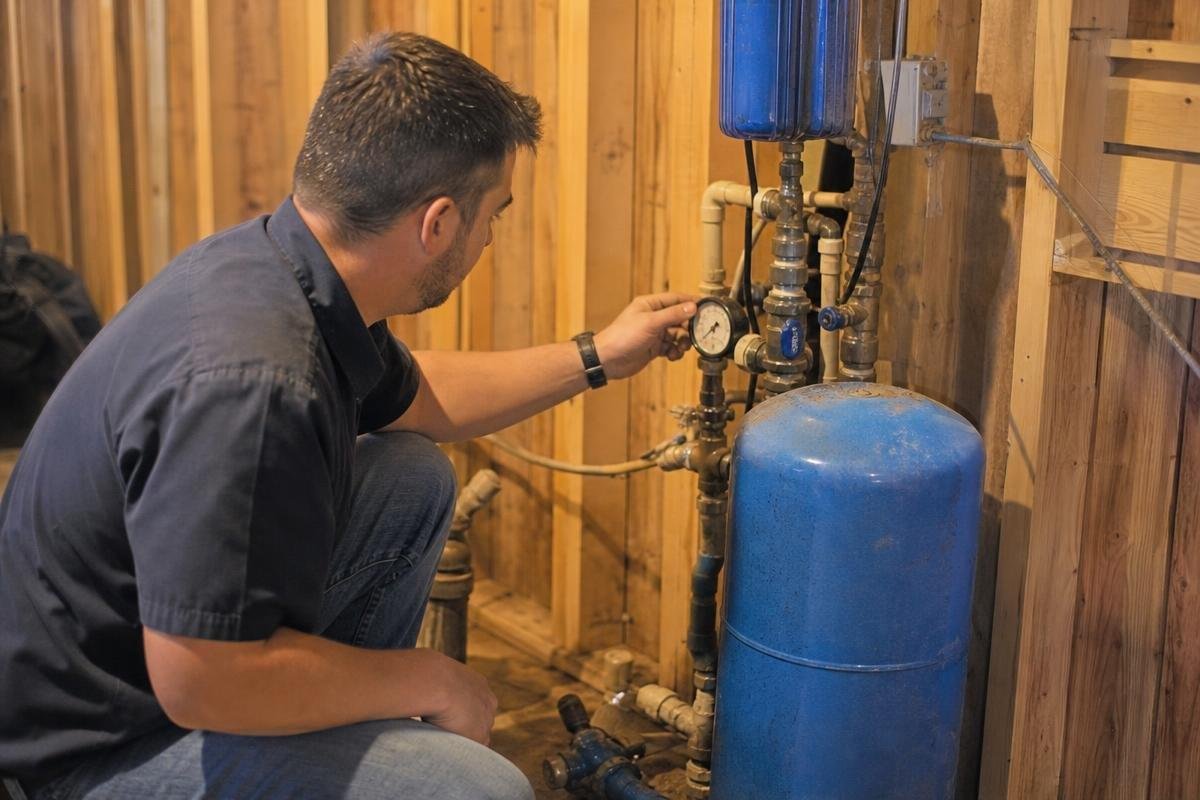
You may need well pump repair in Ukiah when your faucets sputter, the shower loses pressure, or water stops throughout the house. On private well properties in and around Ukiah, including rural areas such as Redwood Valley, these symptoms may involve the well pump, pressure tank, controls, a supply-line leak, or the well’s available water.…
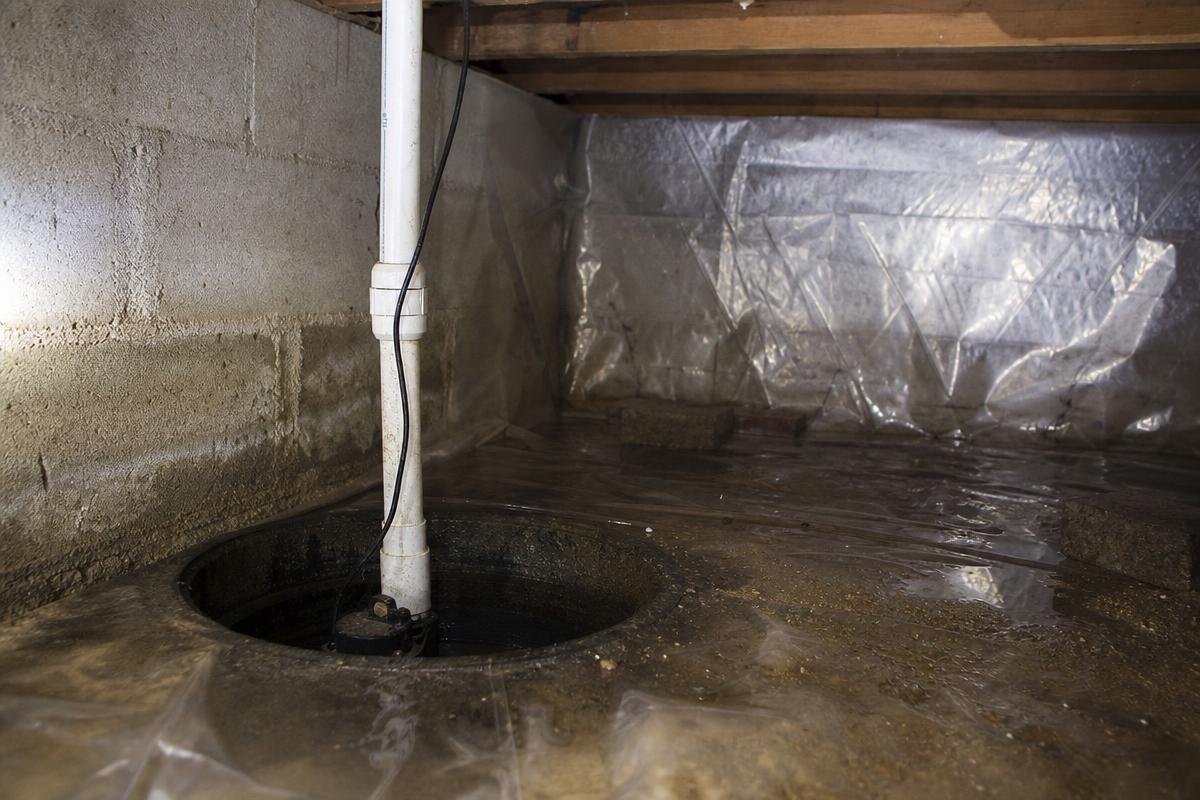
Water stains on a crawl-space wall, a damp smell after hard rain, or water collecting near the foundation can mean you need a sump pump. In Ukiah and nearby Mendocino County communities, winter storms, hillside runoff, valley-floor drainage patterns, irrigation, and downspouts that empty too close to the house can all contribute. AAA Organized Plumbing…
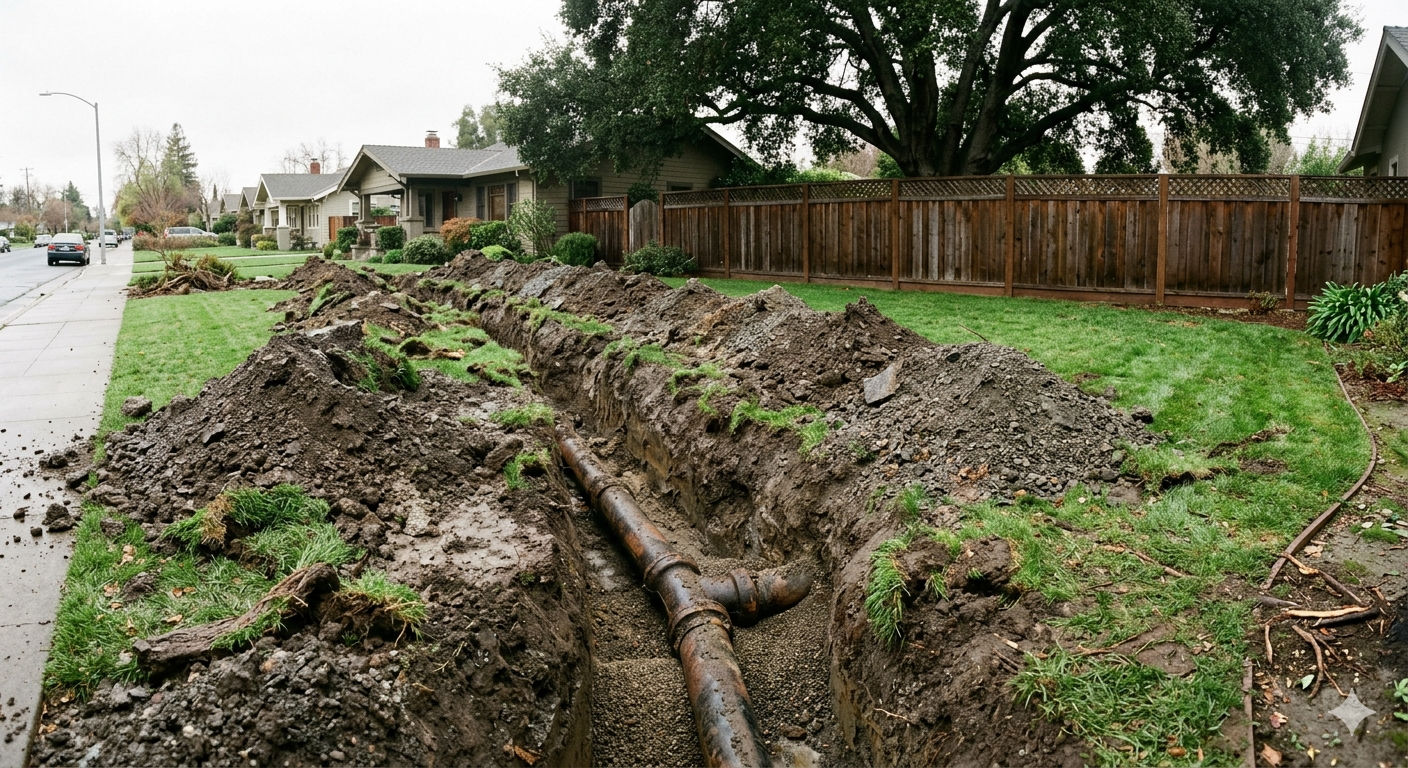
A failing sewer line forces a decision most homeowners are not prepared to make quickly. The pipe is underground, you cannot see it, and two very different repair approaches are on the table. One involves digging a trench across your yard. The other threads a solution through the existing pipe without disturbing the surface above…
